This Paris trip snapped into focus one night watching the tv show “Vikings.”
“Let’s stay there.”
An island in the middle of the Seine. The historic heart of Paris. Seemed pretty much perfect, and as it turned, it was.
BTW left to right: Ragnar, Floki, Bjorn,Lagertha, and Rollo. Some are fictional characters. Some were the real deal. Rollo, the guy, without a shirt, to the far right became the first ruler of Normandy. His brother Ragnar, to the far left, was a legendary Viking king.
Both were likely relatives of mine – though curiously not through my Finnish side but through those nice proper midwesterners – the Warenne branch of the family.
The Vikings did sack Paris in 845. And purportedly the Vikings were led by Ragnar and the French did pay them off with mountains of silver.
Today, the island is known as the Île de la Cité or “Island of the City.” Home of Notre Dame and the historic heart of the Paris. Took this photo of the island from one of the bridges off the adjoining island, Île Saint-Louis, where our hotel was located.
Just noticed the bride in the lower center.
Paris is that sort of place.
This map is one of our cards from “City Walks Paris” 50 Adventures on foot – a set of walks recommended by our trainer Mia, who lived in France for a year.
I would guess we knocked off seven. 43 to go.
The river Seine divides Paris into the Right Bank (up) and the Left Bank (down).
Across the river to the north of the islands is the neighborhood of Le Marais. Across the river to the south of the islands is the Latin quarter, which we crisscrossed many times.
We did venture about a bit further to the West and North of this map – on foot. We never used taxis, buses or the metro. We walked, and walked a lot- 5 to 9 miles a day.
Our hotel, Hotel Saint-Louis en l’Isle, was located on a corner, 4 streets NW of the number 1 on this map, on the Rue St. Louis en l’Ile. Just across the bridge to Notre Dame.
Photo above is Notre Dame from the bridge to our island.
There were aways crowds at Notre Dame. 14 million people visit each year. Rightly so. A masterpiece of French Gothic architecture.
Been here seven centuries.
While there are always crowds at Notre Dame, our neighborhood on the second island, only 5 minutes and a bridge away, was remarkably quiet.
Some tourist bustle in the middle of the day, but otherwise remarkably tranquil. Residential. Folks live here.
Our hotel had been a 17th century town house. It was small: 20 rooms; five floors.
As per plan, we had one of the two rooms on the top floor.
Up underneath the eaves. Like an artist’s garret.
That’s Sharon on our dormer balcony.
Reading. Of course.
The next photo is the same balcony.
Another angle. Including a sliver of the Seine, and the Parthenon (dome), up on a hill, in the Latin Quarter, in the distance.
One night Sharon called me out onto the balcony to take a look.
The Seine was glowing with lights, while at the same time, the sky above was pitch-black, glowing with stars.
We really liked our hotel room.
It felt just right for us little people.
You can’t see it here, but Sharon is about to sit down in a chair with legs about a foot long.
The exposed wood beams were hand-wrought and pegged. Lots of character and history.
Our room felt a bit like a treehouse.
There was another mini-balcony off the bathroom, which had a different glimpse of the Seine.
And different views into neighbor’s homes at night.
And vice versa.
We were always sure to close our shades at night.
There was an elevator, which only stopped at a landing between floors. Thus serving two floors, sort-of. We could get to our room with the elevator up a short flight from level 4/5. An intimate elevator, perhaps 3’ x 4’.
Best way to get to a treehouse.
Before our trip, my Mom told me to look for a side yard at Notre Dame. When she visited more than 40 years ago, she arrived on her own with our dog Tammy (above). No dogs were allowed inside the cathedral, but someone let her put Tammy in the Notre Dame’s side yard. When my Mom returned, the gate was locked, Tammy was howling and no one was around. All turned out well, but that’s another story.
To the left is the wall of Notre Dame above the side yard where Tammy was fenced-in.
The stone detailing is remarkable. A curious mix of familiar pious saints and strange medieval, nightmarish fantasies.
The gargoyles reminded me of dragon’s heads mounted on the prows of Viking ships.
Today there is a big open plaza in front of Notre Dame.
It hasn’t always been this way. Up to the mid-1800’s this area was a rabbit warren of narrow busy streets lined with houses, shops and churches. Aggressive city planning with Napoleon’s backing set today’s stage.
If you look carefully at the paving patterns in the plaza, you can see the outlines of the old neighborhood buildings, outlined in different colored paving stones. Nice touch.
This bronze plaque is right in front of Notre Dame Cathedral.
Kilometre zero.
The point from which all French roads originating in Paris are measured.
I was sure the plaque was on the other side of the plaza, perhaps in the center of the outlying road or next to that manhole cover beyond.
“Sharon, go ask that policeman (in French) where it is?”
“Oh it’s back in front of the cathedral- where all those people are are taking turns posing (right in the most obvious place possible).”
Hmmm. There’s a moral here somewhere.
Below the big open plaza in front of Notre Dame is an archeological crypt. One of my favorite places.
Folks have lived, worshipped and done business here for thousands of years. Buildings were knocked down and spaces filled in. Excavations in the 1960s and 1970s uncovered remnants of these times gone by.
Rather than remove the ruins or re-bury them once again, these remains were left in place and a roof added which is today’s plaza. Since the ruins are 20 feet below the plaza grade today, this ghost world lives on below the feet of the tourists above.
Romans, Vikings, and the pious walked these streets and drank in these taverns.
This borrowed picture was taken from the top of the north tower of Notre Dame. Every day we walked by the line of folks waiting to climb the 422 steps for this view. We were tempted, but thought better of it.
We were celebrating Sharon’s 6 month milestone after hip replacement. No need to push things.
Perhaps next visit.
We had told our Swiss friend Stefan of our Paris plans.
He said he’d come see us in Paris, if he could.
We didn’t expect to see him, but we did.
Stefan and girlfriend Cheryl caught the 4:30 AM train from Switzerland to Paris.
They walked into our hotel lobby at 9:30AM.
After breakfast at a local cafe we all headed out to see the sights.
Our first stop was St. James Tower.
The tower is all that is left of a once grand church built by the butcher’s guild in 1523 as a starting point for pilgrims setting out for the shrine of St. James at Santiago de Compostela in Spain.
Here we are at the base of the tower.
In my mind’s eye, I can see us here someday, ready to set off for Spain on our pilgrimage.
Few today actually start in Paris. As it roughly doubles the 400 mile ± trek across Spain. My cunning solution is to bike to Spain and then walk. I like the idea of a tandem bike. Affectionately known as the “divorce-maker”.
We shall see.
After St. James Tower Sharon, Stefan, Cheryl and I worked our way northeast along the north side of the Seine. One of our first stops was the glass pyramid of the Louvre Museum for this photo op.
We continued towards the Arc de Triomphe du Carrousel, the south western entrance to the Jardin des Tuileries.
As you can see here in the Jardin des Tuileries, the leaves weren’t out yet. When we were planning this trip, I kept thinking, “Springtime in Paris,” flowers, birds chirping and the like. We were a bit early.
May 1 might be more like it.
We picked the second week of April because we could celebrate both my 65th birthday and Sharon’s graduation from physical therapy following her surgery.
After passing through the Jardin des Tuileries, we came to the Place de la Concorde. We could see the Eiffel Tower and up the Champs-Élysées. Tempted for a second I thought better of it. It was time to double back.
We turned right and north which brought us by one of the Ladurée bakeries.
The Ladurée bakery was founded in 1862. “Ladurée’s rise to fame came in 1930 when his grandson, Pierre Desfontaines, had the original idea of the double-decker, sticking two macaron shells together with a creamy ganache as filling.”
We each picked out two of our choice. Stefan and Cheryl most graciously picked up the tab. Ground zero for macarons. And Yes, they are as good as they look.
We bid out goodbyes to Cheryl and Stefan a few blocks before the metro station at the Place de Bastille. The closer we got, the more police we saw. The borrowed photo below captures the look and feel.
“No Sharon, we don’t need to find out what’s up. Let’s just turn here, and walk away.”
On our return to the hotel we asked our friend Bernard at the front desk what was going on. He shrugged. “Oh just a bunch of folks on the dole, protesting for more money.” Another day of political theatre in Paris.
Half the time Bernard would be sitting where Denis is here in this borrowed photo. We had heard about Bernard from Tripadvisor reviews. Many found him charming, but he rubbed a few the wrong way.
My favorite comment was from a couple who had asked Bernard to make them dinner reservations at 6:00PM. Bernard’s response: “Only children eat at 6:00.”
Very French.
So after a couple of days, Sharon decides to practice her French on Bernard. She asks him (in French), “Are you the inestimable, very kind and friendly Bernard?” He knew exactly what was up.
He wouldn’t answer. Sharon insisted. Finally he got up from behind the desk, came out and gave her a mock curtsey.
The next morning we were heading out to the Orsay Museum. We told Bernard of our plans. He told us that the museum was closed, “because they were painting the doors.”
Another guest overheard our conversation and said, “Thanks for the info, we had been planning on going to the Orsay today.” Bernard didn’t blink.
Neither Sharon nor I believed Bernard, so we went to the Orsay anyway. It was open as usual. On return, I told Bernard, “the construction is over at the Orsay.” A blank look back. He had forgotten our earlier conversation. “The doors are all painted.” A flicker.
There are no (interior) doors in the Orsay. Only open galleries.
We liked Bernard. On my (65th) birthday, when we walked through the lobby, he would sing happy birthday under his breath. When we asked about a good café, he got up from his desk, and … walked us up the street to his favorite.
Leaving the lobby empty. No one to cover the phones or the wide-open front door. A bit crazy, yes.
Very French.
All the other staff, liked Bernard too, we could tell. He would joke with them and help with whatever they were doing, running up and down the stairs. A very spry 60 years old.
On our last day, as he was helping our young female driver with our bags, I told Bernard, “The key is not to believe a word you say.”
He answered, eyes twinkling, “I’ve talked to you guys too much.”
****
In preparation for a hoped-for trek around Mt. Blanc in Europe. Sharon took four community-center night school courses in French, which is the equivalent of perhaps 2 college level courses. Or about 1/2 of basic French grammar. All the course titles included the word “Beginner.”
Bernard said that Sharon was doing well with her French. But that was Bernard.
The young woman who drove us back to the airport said the same thing. Could have been an ingratiating compliment- but I don’t think so.
The test was the shoes.
We travel light. Only one pair of shoes each. Sharon’s disintegrated on day 3. Literally. No hope. Bernard pointed us down the street to the closest shoe store. And off we went. Photo below.
The woman in the store spoke zero English. Sharon chatted away in French. Various shoes appeared and disappeared. The lady laughed at Sharon’s jokes. 20 minutes later we left with new shoes that fit just right.
No blank looks. Just nods. Test passed. I don’t know how Sharon does it, but she does.
On top of it all, even I could hear Sharon’s accent improving in only a week. In a month she’d be unstoppable.
Here in Cambridge, at Whole Foods, Sharon has made friends with a number of clerks from south of the border. They chat away in Spanish. I get a nod now and then.
A favorite is Gloria. Gloria is from El Salvador.
We know all about Gloria’s family. She knows all about ours. My Spanish is good enough to catch the general drift of the conversations.
One day Sharon complimented Gloria on her earrings. Gloria tried to give them to Sharon. Very Latina. “No, no, no…”
Gloria thought Sharon was from somewhere in Central America. She wasn’t sure from where. “¿Tampa, en los estados unidos (USA), really?”
I wasn’t surprised.
A mimic’s ear backed by a fearless intelligence goes a long way.
This pic is Sharon in front of the Musée National du Moyen Age or the Museum of the Middle Ages or the Cluny Museum. We really liked this place and would like to come back when all the galleries are open.
Many were closed for renovation. The current building is a 15th century mansion built over an excavated Roman-era bathhouse. Truth be told I was partial to the Roman spaces.
Our second visit was for a medieval music concert on period instruments in what remained of the the Roman bathhouse.
The musicians were great, and had no trouble dealing with the rather unruly guy who had somehow found his way into the paid performance.
As he was being hauled out, no one missed a beat. Neither performers nor audience. I thought,
“Heckling medieval artists.
Very French.”
Our next-door neighbors in Cambridge were spending the year in Paris.
We got together to say hello. A highlight of our trip.
Fred grew up in Paris .
Deirdre is working on her Harvard PhD.
Their daughter Bea (Beatrice) has discovered ponies.
And Otis (the dog) is living the good life.
Paris is a good place to be a dog.
Otis is our buddy. We had bonded in Cambridge.
He recognized us immediately. Otis is not an easy dog, but he is with us.
We met up in the Jardin du Luxembourg (Park) by the Médici Fountain (borrowed photo).
Otis was a bit nervous around the fountain. Earlier in his life, he had a rather traumatic near-death experience involving a bridge over the river Seine, an an ill-advised leap, an unexpected plunge, a desperate swim, and a just-in-time rescue.
The crowd cheered.
This 2010 portrait of Otis was drawn by a friend of Fred and Deirdre’s, who works for Pixar.
Every dog should be so lucky.
Reminds me of “The Fantastic Mr. Fox” if you’ve seen the movie.
Deirdre found Otis in Chicago on doggy death row. The clock was ticking down.
We had heard the story of Otis and the Pont Neuf bridge and decided to take a look.
The bridge is on the downstream side of the island with Notre Dame.
Fred, Deirdre and Otis were walking across, when Otis spotted a bird above the railing. Otis leapt, clearing the 3 foot + railing with ease. That was the good news.
The bad news was that he then found himself 40 + feet above the river Seine in mid-air.
Down he went, disappearing into the depths of the murky green water. But back up he bobbed, paddling for his life. Deirdre started screaming. Fred took off running.
Fred made it through the park to the very tip of the island, down the last stair into the river, and plucked Otis from the water as he was swept by.
A cheer went up from the restaurant barges, folks in the park, and folks on the bridge.
Every time Fred tells the story he invariably mentions two things. First, he didn’t know that Otis could swim.
Second, that the water ruined his most-fashionable tennis shoes.
Topping it Spaghetti-Western up, was the dust, the semi-arid landscape, the volcanoes, the political dreams-gone-bad corruption, and then there were the eccentric locals, and the scorpions.
None of these were necessarily bad things, at least as far as our trip was concerned.
Halfway through, we were rolling back from León to Managua.
We were the only paying customers in our transfer van.
There were three others.
The driver, a young- rather worldly-looking Latina in a very low-cut blouse, and a rather disreputable-looking character back with us.
His two upper front teeth were broken off half-way up. My guess, he was pushing thirty. Far worse for wear. Epitome of thug, body language and all.
Next thing I know, Sharon and he hit it off. My Spanish is good enough to have followed most of their conversation. One thing led to another.
They were talking Spanish literature and the best Nicaraguan bookstores. This guy liked his poetry.
Poetry is a Nicaraguan thing.
I look out the side window and there is Momotombo Volcano, active, with an elevation 4,255 ft. [borrowed photo]
Not on our hiking list. We had picked the equally intimidating San Cristóbal Volcano as our mega-hike.
In the lowlands of Nicaragua, volcanoes are commonplace. Every 5 to 10 miles or so, there are such potential end-of -the-world-as-you-know-it reminders.
Around about then, I notice that our heavy-set driver has not one, but two baseball bats close at hand. The regulation bat was behind his seat, propped up behind his left shoulder.
The half-size bat was resting even closer, his side of the emergency brake – comfortably within reach of his right hand.
My analysis: the driver doubled as the muscle. The big bat was for outside. The little bat was for inside.
Sharon’s conversation had shifted from literature to Nicaraguan food and drink.
While we had already sampled some of the Nica culinary highlights, we hadn’t had semilla de jicaro, a drink made from jicaro seeds ground with rice and spices, and milk and sugar.
Jicaro drinks go way back, before the Spanish, to indigenous locals. To my mind, an experience not to be missed.
The van unanimously suggested we stop at their favorite roadside eatery – if Sharon and I were up for it. Translation – no safety net- food wise.
Our Jicaro drinks were delivered in a plastic bags tied with a straw, and ice.
A kiss-your-ass-goodbye moment- if you’re playing by the food and drink rules.
I take a sip, then another. It tastes great- like a protein drink in the states. Both of us polished our drinks off.
24 hours later at Linda’s we were still feeling fine.
Maybe it was the probiotics we were taking. Maybe dumb luck. Maybe we’re toughening up.
In any case, curiously we had no intestinal issues our whole stay in Nicaragua.
Our friend Linda’s home in Managua was an oasis. Including the scorpions.
Managua
The perfect traditional Japanese ceremonial tea cup has flaws.
Imperfection is considered inherently part of the most perfect. Imperfection itself is most worthy of contemplation.
Like scorpions.
On this, our second visit to Managua, we had the scorpion drill down.
Each night before bed, we took out our flashlight and, carefully scanned the floor: Under the bed, open areas, and especially the edge of the room where the wall met the floor.
Then we pulled our bed apart and, looked in-between the sheets and inside our pillow cases.
We slept with the flashlight between our pillows, to light our walk to the bathroom.
Linda stressed that should we find a scorpion, “Don’t step on it. Use the scorpion spray”
Johnson Family Enterprises, the USA maker of Windex, Pledge and Raid, sells scorpion spray in Nicaragua, under the name of Baygon.
If you step on Mrs. Scorpion, you might get her, but probably not the 100 or so babies she might be carrying.
At Linda’s the only scorpion we saw a baby, less that 1/8 of an inch long. On our hike on volcano Mombacho above Granada, we saw a 3 inch-long flattened black scorpion on the trail.
My first Spanish teacher in León, Guadalupe, grew up in the country.
One day she went to put her key in her house-lock and dislodged a scorpion, which promptly bit her.
She went into anaphylactic shock.
It wasn’t the big black mostly harmless kind. It was a far more dangerous translucent cousin. Borrowed photo above.
Linda’s home backs up to nature preserve, which in all likelihood explains the scorpions.
And also the remarkable variety and number of birds.
Sitting by the pool with my binoculars, the question was which direction to face.
No choice was bad. At any one time, I would guestimate- 40 to 50 birds were present.
We saw more birds in Linda’s backyard than anywhere in Nicaragua.
The riches were almost embarrassing: hummingbirds, orioles, woodpeckers, warblers, goldfinches, flycatchers, tanagers, parrots, and the national bird of Nicaragua- the Turquoise-browed Motmot.
Borrowed Motmot photo above/right.
Mid-morning Linda’s Motmot would fly up and land on the electric fence wire running above the 6 foot high iron fence surrounding her private park.
After a careful contemplation of the yard, the Motmot would be gone for the day.
Never a problem with the electric wire.
Linda’s yard was pretty much perfect, complete with coconut palms.
Photo right- Linda’s gardener Isidro knocking down coconuts.
Fresh coconut milk, is both tasty on its own and it mixes most nicely with rum.
On our way to Potosí, the week before, our guide Luis, had shared a most-macho Nica saying:
“Hay tres desportes en Nicaragua: Ron, Mujeres, y Beisbal.”
“There are three sports in Nicaragua: Rum, Women and Baseball.”
Underneath the bravado, Luis was a sensitive and insightful guy. To his credit, he followed up with, Nicaragua has a problem with alcohol, and abandoned single mothers.
And yes, baseball is more popular than soccer. Borrowed photo left- with San Cristóbal Volcano as the backdrop.
When we pulled up to Linda’s on our return from León, we pushed the buzzer at her locked front gate. Linda fiddled a bit with the lock before it would open. Through the bars she told us:
“It’s a new lock. My little paradise, isn’t a paradise anymore.”
Once inside, she expanded,
“One of our neighbors was robbed last week – at gunpoint. They slipped in when the gate was open. They had guns. They threatened to shoot the children unless the parents opened their safe.
No one was hurt. Thank God.
We have installed a new alarm system. Our nighttime guards are on edge.
The police patrols have disappeared.
It must have been the Hondurans. Money talks. The drug violence has come to Nicaragua.”
Two days later over breakfast, Linda passed along,
“My paradise is back. Another yard man told my yard man: There were no guns. No threats. Some things were just stolen from an unlocked car when their gate was open.”
The first story. Hearsay as well.
The Nica bottom line?
There is no bottom line.
Choose your story. Change your locks. Check your security system. Upgrade to your comfort level.
Managua is the capital of Nicaragua. Home of over 2 million people. It’s a third-world Los Angeles: car-centric, low rise, with suburbs, shopping malls, bad neighborhoods, and earthquakes.
We had two extended tours of Managua.
On our first full day in Nicaragua, we tagged along Linda and her friend Monica, as they picked up and distributed food and cooking oil for those in need. Big city, tough neighborhoods, interesting people.
Neither Linda nor Monica had visited any of our destinations. It was a scavenger hunt with a twist.
We crisscrossed Managua picking up and dropping off goods. Sharon in the front seat next to Monica- the printed directions were in Spanish.
The twist was that Nicaragua doesn’t have addresses as we know them. Streets don’t have names, addresses don’t have numbers.
Addresses are literally directions starting from a known landmark. For example: starting from such and such a rotary go 100 meters north, turn left and go 4 blocks, turn right and go to the end of the street.
In the back seat, I asked Linda about mail delivery.
She laughed.
“They throw your mail into the yard. You have to find it. No mailboxes in Nicaragua.”
On our last stop, the middle-aged nun explained that the few boxes of meat we had delivered would feed her 30+ children for a month.
The room was small. The ceiling was low. The pope’s picture on the wall was the last one.
No matter.
Sharon immediately picked up that the nun’s accent was heavy with Portuguese. Yes, Spanish was the nun’s second language.
They chatted like old friends- in Spanish, their common second language.
Our second Managuan tour was far more conventional. Linda and her husband drove us around town to see the sights.
Highlights were the Malécon (the waterfront), Ruinas de la Catedral Vieja (ruins of the old cathedral), and Las Huellas de Acahualinca (the footsteps of Acahualinca.)
The Malécon development was paint-still-drying new. Pleasant. Armed-guard safe. Nicaraguan surreal.
We picked up lunch from one of the sort-of fake tiki hut establishments and munched the inoffensive offering while enjoying the view over mostly-dead lake Managua.
Next stop was the old cathedral. Today a burned-out shell and a reminder of past glories and the devastation of the 1972 earthquake. Foto below.
A new modern cathedral has been built up the hill.
Check out the lifelike plastic Madonna above the door (below). She hasn’t always been there. I’ve seen photos as recent as 2010 and she’s nowhere in sight.
There were more of these life-sized realistically detailed figurines inside, including the late Pope John Paul II. Borrowed photo below.
I almost bumped into a plastic nun with glasses when I came around a column.
These 21st century molded replicants were curious and a bit disturbing. I’m sure there are more here and there around the globe.
Probably only the Vatican knows where.
From the old cathedral, we headed north along the lakeshore, looking for the historical site of the footsteps of Acahualinca.
These were neighborhoods, not to be walked, or even driven through, at night.
We pulled up to the front door.
Linda’s husband paid one of the security guys to watch the car, and negotiated our entrance fee. We headed in.
Some 12 or 13 feet below ground level, is a dried, fossilized mud flat with human footprints. A snapshot preserved in volcanic mud- of a few minutes from a time long gone by.
How long ago?
The museum explains that these footprints are 6000 years old making them the oldest human footprints on the American continent.
Checking online, recent carbon dating has them at about 2000 years old.
Where were these folks going and what were they doing?
The old story was they were fleeing a volcanic eruption.
Today’s interpretation is that these dozen or so folks were probably simply on their way to the lake to collect food and water.
Sharon wasn’t buying this recent happy-land version.
As she put it, the prints were left in a layer of volcanic mud. They were preserved under a layer of volcanic ash. It wasn’t just another day in the garden of Eden.
She has a point.
The Nica bottom line?
There is no bottom line.
6000 years ago fleeing a volcano, or 2000 years ago and out for a stroll?
Pick your story and upgrade to your comfort level. And don’t forget to pay the guy watching your car.
León
Our first transfer from Managua dropped us off in León at Dariana Spanish School, where we would spend the next two+ weeks.
The school had made arrangements for us to live with a local family during our stay: Room & 3 meals/day.
So I ask Rolando, the school’s owner, director and all-round good guy, about potential food issues.
“Do you think that vegetables will be safe?” I ask- thinking about the fine points of vegetable washing protocol.
Without missing a beat, Rolando answered- in all seriousness-
“Don’t worry, you won’t have vegetables.”
Hmmm.
Rolando was busy at the school, so we headed off with Guadalupe, his most-charming, spanish-speaking wife to our home-stay around the corner.
I was not thrilled with the room. Peeling paint. A single light bulb hanging from the ceiling.
A single knob, cold-water shower and sink. No towels.
Sharon pointed out the lack of screens and how the dengue-fever-carrying mosquitos would feast on us.
I lay back, on my sprung bed, wondering what I have gotten us into.
As it turned out, a good deal with a smart, interesting Nica family. My problem was that I was suffering from a first world hangover.
In their youth- photo left- the Mr and Mrs had both fought in the mountains as Sandinista guerrillas. They fought against the Somoza family, who had ruled Nicaragua as a family dictatorship from 1936 to 1979.
In a curious twist, their house had once belonged to one of the Somoza clan. I took the photo below from the dining room looking back towards the front of the house. Our bedroom’s door was just past the opening in the green wall- towards the left, beyond the small courtyard open to the sky.
In 1995 when the Cerro Negro volcano erupted 15 miles outside Léon, there was 3 feet of ash in this courtyard.
The family had been fortunate enough to have purchased their house on the cheap in the aftermath of the Revolution with the help of a foreigner who has since disappeared.
Today, the family is struggling to make ends meet. No help from the government.
Only those aligned with the Ortegas have the inside track today.
Daniel Ortega seems to be president-for-life, but many think his wife Rosario Murillo really runs the country. Photo of the two, left.
The story goes that Daniel sexually abused his step-daughter. In exchange for throwing her abused daughter out of the family, Rosario became a political force to be reckoned with.
We arrived in Léon, a few days before Spanish school. Per plan, we headed north. First stop, Estero Padre Ramos Nature Reserve for kayaking.
Estero Padre Ramos Nature Reserve is said to be one of the largest mangrove estuaries in the world. For us, it was similar to our kayak explorations in the Everglades.
Good stuff.
In the picture to the left, Sharon and our guide are both wearing gloves. They are the smart ones.
Your’s truly didn’t wear his- and paid the price. Recognizing we were in the tropics, we had slathered ourselves with sunblock.
I neglected to account for the water washing over our hands as we paddled. Water, of course, washed off my sunblock.
Two hours crisped the back of my gloveless hands.
Next stop was our overnight in Potosí, a poor fishing village in the far northwest of Nicaragua. A poor fishing village with expensive high-speed fishing boats. A short ride to Honduras and El Salvador- two countries where drug cartels are players.
Draw your own conclusions.
Potosí is the end of the Pacific edge of the Nicaraguan world. Bleeding off the tourist map.
We had been told many times that our accommodations would be “Basic.”
As it turned out, compared to our home in Léon, it was lux.
A one-knob cold-water shower with a PVC open pipe shower head. No problem.
We had towels!
Three steps outside our room, we were in the open-air restaurant/bar.
The food wasn’t just good, it was exceptional. World-class.
Sharon and the Mrs hit it off. The conversation turned to nacatamales, a beloved and most-tasty Nicaraguan specialty. Rosalpina promised that when we returned from our volcano hike the following day, she would serve us hers – not on the menu.
Up before dawn, we reached the rim of Cosigüina volcano in the early afternoon. The mountains in the distance in the photo below, are El Salvador- across the Gulf of Fonseca.
Over lunch, Sharon asked our wiry, spanish (only) -speaking guide of indeterminate age, how long he had been a guide.
“20 to 30 years”
And who were oldest folks he had taken up this route?
Yours truly.
That evening, a bit worse for wear, we sat down to our dinner of nacatamales.
Borrowed nacatamal photo to the left.
Nacatamal means “meat tamale” in Nahuatl, the language of the Aztecs. It’s a traditional Nicaraguan dish of seasoned pork or chicken meat, rice, slices of potato, bell pepper, tomato, onion, olives, cilantro, and fresh chile. All wrapped in plantain leaves.
Ours were a locavore’s delight. Best of the best. All local ingredients.
After our raves, the Mrs. shared that she had been trained professionally, and some folks came and stayed for days, just for her food. It was that special.
We returned to Léon and our family, more Nica than on departure.
Our room felt like an old friend. Our family laughed on hearing our stories.
Next up was Spanish school. Another best of the best.
The building was over a couple of hundred years old- originally a home. About 20 years ago it was renovated as a hotel / restaurant. The restoration was carefully and loving done. Complete with native hardwoods.
The hotel / restaurant idea didn’t work out and now it is Dariana Spanish school. Their loss. Our gain.
The veranda around the courtyard serves as an open air classroom.
Each student has their own teacher.
The gentleman in the red shorts towards the back is Bruno. Bruno is Swiss, with the body language and personality of a Latino. Not surprisingly he loves Nicaragua.
Sharon’s teacher, the first week (above), was Davíd. They got along great. Davíd told me several times how much he respected Sharon and how smart and interesting he thought she was.
This was a familiar refrain to me. Not only in Nicaragua, but in all our travels. Not to everyone’s tastes. But for those she hits it off with, she holds nothing back. And there is a lot there.
One day I ask Davíd, “So what Spanish accent does Sharon have?”
“Ecuadorian”
Curious. I guess that’s what you get when you cross Tampa street Spanish with her mother’s Cuban/ Spanish Castilian influence. And then there is Sharon’s own thing.
The gentleman Bruno is pointing at, is Rafael, Sharon’s teacher the second week. Another of Sharon’s buds.
Rafael was a cheerful, smart, educated guy with the most tragic backstory, I have ever heard personally. Abandoned by his parents as a very young boy on the streets of Nicaragua, he and his sibs literally scavenged on the streets to survive.
Through a series of remarkable circumstances, after many, many dark days. he eventually made it to university and graduated.
Today Rafael is happily married, with his own family. He loves to cook. Not the usual thing for a Nicaraguan male. Sharon and Rafael had been talking Nicaraguan food for days.
We’d tasted nacatamales, semilla de jicaro, quesillo, piñol, jocote, indio viejo, chancho con yucca, buñuelos, gallo pinto ( a couple of times a day), and vigorón (muchisimas gracias Carmen).
We hadn’t tried Vaho, or Baho if you will, one of the cornerstones of Nicaraguan cuisine. Borrowed photo below.
Our second to the last day, Rafael disappeared at late morning break. He returned smiling with his favorite Bajo from the central market.
We spent the rest of morning chatting (in Spanish) and munching. While it may not look like it, Bajo is traditionally finger food. Who were we to argue.
On our last day, we received our diplomas. Sharon’s was advanzado. Mine was intermedio, a bit of a stretch, but I took it.
Our school days had run mornings. We also took part in the school’s afternoon León excursions. This post has run long enough so I’m skipping those details, except for the photo below.
Taken when we were up on the roof of the León Cathedral, the largest cathedral in Central America. A world heritage site today, it was completed in 1814 and was consecrated by Pope Pius IX in 1860.
Many have been puzzled as to the size of the Cathedral. Rather large for Léon’s place in the world, at the time.
The story goes that the “Spaniards were sailing to the New World with two sets of plans, for cathedrals in Leon and Lima. There was a mix-up and the plans that were meant for Peru were used here instead.”
A very Nica story.
On afternoons when we didn’t have activities we hiked volcanoes. And we didn’t have far to go.
Volcanoes, Volcanoes, Volcanoes
After reading that we could get a ride part way up, I had signed us up for a climb to the top of San Cristobal Volcano, the highest volcano in Nicaragua at 5725 feet.
We drove by on the way to Potosí. Intimidating with no shade. Our driver, half our age, chuckled, “Better you than me. I’ve been up once, that was when I was young and it just about killed me, and by the way there is no road part way up.”
Although we had paid up (nonrefundable), on returning to León, we decided that this hike would be too much. I called our tour company.
Before I could say anything, our main contact (another) Davíd said,
“I am very, very sorry, we have had to cancel your San Cristobal trek. It would just be too dangerous. San Cristobal is puffing and showing elevated seismic activity. We are happy to give you full credit.”
Graciously I accepted. A bullet dodged.
Next up was Cerro Negro Volcano Boarding. Sharon had a sore shoulder from a dive off the bed trying to silence a mis-set alarm clock. I would be on my own.
A previous guest with our family had broken some bones on her ride down the volcano. She had ended her stay in Nicaragua- in a cast.
Since its birth in 1850, Cerro Negro has erupted 23 times.
Cerro Negro is a 45 minute drive from Léon. While geologically interesting, Cerro Negro’s 21st century claim to fame is volcano boarding.
If not now, when? Below: Me and my volcano board below, on top of Cerro Negro- while I was still clean.
Here is my favorite youtube video on volcano boarding Cerro Negro. Curiously, it turns out that Holly (narrator, professional surfer and Nica resident) has since married the brother of one of our doctor neighbors.
Apparently Holly went back to Cerro Negro in an attempt to log a far more faster speed.
Yes, some use speed guns. Here is a link to her volcano boarding wipeout- in slow mo- at about 50 mph/ 80 kph. Holly broke her ankle and called her doctor-in-law from the Nica emergency room, for some trusted advice.
As our neighbor put it, something was mixed up,
“They showed me an x-ray and it wasn’t an ankle.”
Our tour company provided my volcano boarding instruction, my board and protective gear- jumpsuit, goggles, gloves, kneepads, elbow pads. I forgot my bandana- for covering my nose and mouth.
I was spitting out black gravel for a week.
Next volcano on our list was Telica, another active volcano in the León neighborhood. Telica’s most recent eruption was in 2011.
Sharon’s shoulder was still hurting, so once again I was on my own. Expecting the worst, I was pleasantly surprised when, in less than an hour of hiking, we were at the rim.
This volcano had an access road.
Our group was exceedingly international. Out of a dozen, only a few of us were from the USA. This had been true at our spanish school and in our Nica travels in general.
On the way up Telica I posed the question to this very fit, young Irish woman,
“So where are all the Americans?”
Without missing a beat or step, she answered,
“In Costa Rica.”
Yep.
The Telica surprise, for me, was the sound. Like a jet engine or a blast furnace. If you look over the edge, like the Australian girl behind me, this is what you see (borrowed photo below):
We sauntered around the volcano, and watched the sun set into the Pacific. As the stars came out, we turned on our headlamps and hiked back down to our truck.
During our time in Léon, Sharon and I made a side trip to Granada and hiked Mombacho Volcano.
Granada
Mombacho volcano is only 6 miles from Granada, and one of two cloud forest volcanoes in Nicaragua.
Today Mombacho is considered to be an extinct volcano. The last eruption occurred in 1570.
Sometime before ∼140 to 345 A.D, the lakeside slope of Mombacho blew out, throwing rock sideways and creating the 365 or so tiny “volcanic” islands, today known as the Isletas.
We did the boat tour.
Some of these mini-islands are owned by locals. Some are high end vacation homes. Some are nature reserves. Some are restaurants. Some are hotels. I remember one with an elementary school.
All mixed up together.
Real estate as tapas.
Borrowed photo below.
Our boatman had been born on a family-owned Isleta- passed down for generations.
“And we’re never selling!”
Our hotel in Granada, La Gran Francia, purportedly one of the oldest European buildings in the Americas, was our treat- to ourselves. View from our balcony below.
Since it’s founding in 1524 Granada has been burned to the ground several times.
Each time our hotel (mostly) escaped the flames.
As the story goes, in the early 1800’s, after murdering his wife, the Duke of Praslin, helped by King Louis Phillipe of France, feigned his suicide and then moved to the very end of the known world- Nicaragua, where he lived in our hotel.
In the mid-1800’s, the hotel was occupied by the forces of William Walker, a US–backed mercenary and “President” of Nicaragua.
Luxury Latin America, adds that:
“According to legend, Granada’s grand dame was first constructed next to the ancient plaza in the late 1520s, shortly after conquistadors claimed this land, overlooking Lake Nicaragua, as their own. Perhaps used as an impressively upscale inn even then, this hotel has hosted Spanish royalty.”
An impressively upscale inn for the conquistadors?
Monty Python material.
So who stays at the La Gran Francia today? Interior courtyard below.
If you arrive, like we did, at the beginning of the Granada International Poetry Festival, the majority of the guests will be internationally renowned poets, family and friends.
So how does one recognize such folks?
Paraphrasing Supreme Court Justice Potter Stewart’s 1964 threshold test for obscenity (pornography):
“You know them when you see them.”
We were clearly not running with the poetry crowd. We were up far too early, wore bright hiking clothes, and talked about volcanoes.
We had hoped to hike the longer Puma trail on Mombacho volcano, unfortunately it was closed for maintenance. The shorter Tigrillo trail worked out just fine. We had howler monkeys, trampled scorpions and gorgeous views.
The cloud forest on top was wet. Thankfully the trail had been designed accordingly. Complete with wooden steps, handrails, and drainage.
Our next cloud forest hike was another matter altogether.
Ometepe
When our spanish school finished, we headed for Ometepe, a two-volcano island in the middle of Lake Nicaragua, the largest freshwater lake in Central America- and the 19th largest lake in the world (by area).
We rode over on the ferry. Borrowed photo below.
Over the last year, I rotated pictures of Nicaragua on my computer desktop. My business partner and sailor, confided in me one day,
“Those volcanoes caught my attention, but that ferry really, really scares me. Top heavy. In rough weather, a car could shift, and that would be the end of that (you).”
Thankfully, our crossing was uneventful.
We made our way up to the top deck of the ferry. The sun was hot. The seats few.
We grabbed a couple and who should sit down next to us but Monica- of our first day’s drive around Managua.
She and her family were down for another relaxing long weekend. Monica was an Ometepe regular. She asked about our plans.
We explained that we were going to climb Maderas, the cloud forest volcano on Ometepe- The next day.
“Really? You guys must be in good shape.”
Looking back, I didn’t have a clue what I had gotten us into. I suspect Monica did.
Maderas Volcano is a bit over 4500 feet high, which would have been relatively manageable, without the mud and the fallen trees, roots, boulders and so forth.
We survived – but barely.
We were on the trail before seven, and back down around six, with the last light of the day. We were by far the oldest on the trail.
And did I mention the endless, churned, calf-deep quagmire of mud?
As Sharon put it wryly afterward: Everyone should have this experience – once in their life. (And this was her once.)
She’s had enough of volcanoes, particularly wet ones.
That said, it was very beautiful. We hiked up in the mists.
We didn’t see any blue morphos butterflies, but we did see a number of huge buho butterflies and monkeys. It was rainforest with moss, bamboo, and bromeliads.
We reached the rim a bit after noon.
The question was whether to go for the descent to the lagoon.
Another younger group was pondering the same question. They had the same Moon guidebook as we did:
“When you reach the crater lip, the final descent down to the mist-swept crater lake requires a rope and should not be attempted without proper safety equipment…”
After some discussion, they turned back. Enough was enough.
Our guide, prone to sexually-graphic, chauvinist metaphors, contributed,
“You’ve got this beautiful young woman lying naked on the bed, and you’re going to turn around?”
Sharon had hit her limit. I was pretty shot, but had a bit left.
The solution, Sharon would wait at the rim and our guide and I would go for the lagoon.
In less than fifteen minutes, we were standing on the edge of the lagoon.
Our guide was busy hustling the ten, or so, Europeans in French.
Swim time for me. As I floated out on my back, the sun broke through the mists.
Kind of a Zen moment.
From here, it would be back. First to our room in Charco Verde Resort on the shore of Lake Nicaragua (below).
Then to Managua and from there to the subzero temps of the Northeastern United States.
Our Swiss friends from Bern, Linda and Hubert, are now living in Nicaragua. They have invited us to come visit. We are going to take them up on their generous offer this February, 2014.
We figure February is the right month.
It will be winter here in Cambridge, while in Nicaragua, it will be summer.
In February, the average Cambridge temperature will be 30° F, while in Managua, Nicaragua, it’ll average 81° F.
Nicaragua can get really wet. February is about as dry as it gets.
The blue bars on the chart to the left are inches of rain.
In February, Nicaragua will still be green from the October and November rains, while the days will be sunny.
2014 is the right year, because Hubert and Linda won’t be in Nicaragua all that much longer.
The tentative plan is to stay with Linda and Hubert in Managua for a few days at the beginning and the end of our trip.
We don’t want to overstay our welcome, and they will be having European guests in town for the International Poetry Festival in Granada.
Initially I was thinking we would hit a few Nicaraguan highlights and then slip across the border to Costa Rica.
Lots to see and do in Costa Rica, and it’s tourist friendly.
Nicaragua, on the other hand, is on the raw and rugged side.
Which is not necessarily a bad thing, if approached properly. The more I looked at Nicaragua the better it looked.
Nicaragua is relatively safe, inexpensive, and undiscovered.
Linda says that friends, who visited from Germany, said they saw more animals in their first four days in Nicaragua than in two weeks traveling with a tour group through Costa Rica.
The deal was sealed, when I discovered Nicaragua’s volcanoes. Nicaragua has world-class volcanoes.
Costa Rica is going to have to wait.
We’re going to hike Nicaragua’s Ring of Fire, see the sights, and attend Spanish School along the way.
We will begin and end in Managua. In between, we will stay in León, Granada, and Ometepe.
Managua
Our plan is to avoid Managua.
Except for Linda and Hubert’s neighborhood, which is said to be both safe and lovely.
The rest of Managua is said to be neither. Best approached thoughtfully and carefully.
This is what Linda has to say about Managua:
“You mention culture. Managua doesn’t have “culture” per se. It has history, mostly sad. And poverty. As one young tourist told me before I’d ever been here, “Managua is a big, dangerous, ugly city and we got out as fast as we could.”
Managua is the capital of Nicaragua, today.
Nicaragua has been a bit out-of-control, and disorderly- for a very long time.
Nicaragua is the kind of place where in the 1500s the Spanish conquistadors famously fought each other in the War of the Captains.
Recently, criminals wanted in the USA have been spotted driving around in Winnebagos.
Maybe it’s the location. Nicaragua is a crossroads of sorts with the accompanying chaos that comes with such a location.
Nicaragua is smack dab in the middle of the Central American isthmus, linking North and South America.
Honduras, murder capital of the world, is to the north, while gentile Costa Rica is to the south.
We will be flying into Sandino International Airport in Managua.
Since the early 1970’s the airport’s name has changed three times.
Today, Sandinistas, rule in Nicaragua, once again. And the airport is, once again, called Sandino International Airport.
After LInda and Hubert arrived in Nicaragua, Linda sent out the following in her 2011 Xmas newsletter:
“Since we arrived in the house, we’ve had two tarantulas, one black coral snake – poisonous; she laid at least two eggs – and a three-inch scorpion.
“Fumigate!” the wives of diplomats told me. We removed our clothes from the closets, put everything in the kitchen into plastic bags or the fridge, and moved into a hotel for one night. By the time we returned, Carmen and Isidro had swept and mopped all the floors. Not a dead bug was to be found, though an odor of chemical lingered. I slept with a mask over my mouth and nose, and an sleep mask to cover my eyes.
Today, no mosquitoes bite me constantly while I sit at my computer, and no ants patrol the kitchen. Our ants were so tiny, they survived in the microwave while it was running! Carmen and Isidro said lots of ants and cockroaches came out from the walls, but no scorpions or spiders. All our geckos survived, thank goodness! The birds were fat and happy, stuffing themselves. I hope they didn’t ingest too much pesticide!
Once again, I feel confident in my own home. I have learned to wear shoes and not to walk on the lawn or swim in the pool in the dark. Hopefully, by the time the next scorpion or snake appears, I’ll be so acclimatized I can just ignore it. There is plenty of room in the ravine just beyond the garden wall for all the snakes, insects, and mosquitoes.”
I find Linda’s comments on arriving in her new world, far from Switzerland, most charming.
That said, on this trip, I’ll be wearing shoes-
Always.
León
León is about an hour and a half drive from Managua and the second largest city in Nicaragua after Managua. As of 2005, the city had an estimated population of about 175,000 people.
León is the principal city of northwestern Nicaragua- An area that has been described as steamy, volcanic and intellectual. León is home to Nicargua’s best museums, oldest universities and finest churches.
Also home to Flor de Cana, a distillery for one of the world’s best rums.
Flor de Cana has won more than 100 international awards since 2000.
We hope to visit, taste some, and then if it’s as good as advertised, bring a couple of bottles home.
Which means I should acquire some of those specially-designed, leak-proof bottle armor bags for packing glass bottles in luggage- that Sharon has been hinting about for years.
Our Peruvian Ocucaje Verde Pisco made it home without mishap, wrapped with shirts and buffered by socks. One of these days my luck is going to run out.
No need to tempt the luggage-handling fates.
Old León was founded in 1524 and abandoned in 1610 when the Momotombo Volcano erupted.
In 2000, the remains of the founder of Nicaragua, Francisco Hernández de Córdoba, were found in Old León, sans head.
Cordoba was an officer under Conquistador Pedrarias Dávila, known as Pedrarias the Cruel.
Cordoba himself seems to have been a good guy, at least in a relative kind of way.
As one Nicaraguan scholar put it,
“He’s one of the few Spanish conquistadors of whom there are no accounts of atrocities against the Indians, That’s very unusual.”
Dávila, on the other hand, was a very bad guy:
“The history of the Spanish conquest is filled with tales of wanton ferocity and slaughter,
but even in that context, Davila was something special. In pursuit of the riches of the natives, he murdered them so profligately and so barbarically that when his men fell into Indian hands, they were forced to drink molten gold.”
As the story goes, Davila had Cordoba decapitated, because Davila thought he could become a rival.
“The head of Nicaragua’s founder [Cordoba] was stuck on a pole in the town plaza, a reminder to others of the costs of incurring Davila’s wrath, while his body was buried at the foot of the altar in Leon Viejo’s only church.”
The 21st century end to this 16th century story:
When the remains of both Cordoba and Davila were found in 2000:
“The remains of Hernandez de Cordoba were escorted out of Leon Viejo by a military honor guard to lie in state at various sites throughout Nicaragua. After that, they’ll be interred in a special crypt near the church where he was originally buried.
Davila’s bones have gone to a back room at the National Museum.”
Clearly, no love for Davila, even after 500 years.
The back room of the National Museum- a very 21st century level of Hell.
León is a great base for visiting volcanoes.
Volcanoes, Volcanoes, Volcanoes
The Central American Volcanic Arc runs from Guatemala to Northern Panama. Nicaragua is front and center.
Volcanoes to spare.
There are 19 volcanoes in Nicaragua. They march across the Pacific lowlands, a volcano every 10 to 15 miles.
If all goes according to plan, we will visit/climb 5 from León: Cosigüina, San Cristóbal, Telica, and Cerro Negro.
We will also visit/climb: Masaya volcano from Managua; Mombacho volcano from Granada; and Maderas volcano from the island of Ometepe.
Some of these volcanoes are young. Some are old. Some are tall. Some are short. Some are extinct. Some are active. Some are dormant.
Cosigüina volcano is located in the far northwestern corner of Nicaragua, a bit out of the way, and as such it is one of the least frequented in Nicaragua.
Cosigüina blew it’s lid In 1835 in one of the largest and most explosive eruptions in Central America since the Spanish Conquest. The eruption cloud blocked out the sun in a 93 mile (150 km) radius.
Ash was thrown 870 miles north to Mexico City and and some huge pieces of rock splashed down in the ocean forming islands in the Gulf on Fonseca.
These would be worth a visit, but it might be a stretch. First one has to get to the local town of Potosí and then, the instructions go: “you can ask a fisherman to take you there.”
In any case, today, Cosigüina volcano is less than 500 feet tall with a lake inside. And purportedly has great views of El Salvador and Honduras, across the Gulf of Fonseca.
The forest reserve that wraps Cosigüina volcano is home to Scarlet Macaws. I’d love to see these in the wild.
Speaking of birds, the national bird of Nicaragua is the Turquoise-browed Motmot (below), found across all of Nicaragua. We’re going to keep an eye out.
Whereas Cosigüina is sleeping, San Cristobal, the next volcano down, is another story altogether.
San Cristobal is Nicaragua’s highest active volcano @ 5,725 ft.
It’s an hour and half drive from León. And a 9 to 10 hour hike up from there. Vamos a ver. We shall see.
The pic below purportedly was taken on top of Telica Volcano. I like this image a lot. It has a warm, comfy, end-of-the-world feel.
As you might gather from the red glow, Telica is an active volcano. The most recent eruption was in 2011.
We hope to visit Telica, I’m not sure we’ll do the overnight by the cone, but it’s tempting.
Cerro Negro, below, is youngest volcano in Central America.
Since its birth in 1850, Cerro Negro has erupted 23 times.
Cerro Negro is a 45 minute drive from Léon. While geologically interesting, Cerro Negro’s 21st century claim to fame is volcano boarding.
Here is a youtube video on volcano boarding Cerro Negro (volcano), with riding instructions and crash.
Hike up to the rim, hop on a board and ride down the 40+ degree slope.
We shall see.
Masaya volcano is Nicaragua’s first and largest National Park and as Linda says,
“It never fails to impress.”
I’m impressed already.
Masaya is supposedly the only active Volcano in the Western Hemisphere, where one can drive right up to the rim. For scale, note the car in the parking lot about half way up, on the left side of the pic below.
Masaya spews tons and tons of sulfuric gas into the air every year. Apparently it’s one of the largest natural polluters in the world. Sounds a bit hell-like.
Which is exactly how the first Spanish saw it in the 16th century- in a very literal kind of way.
They thought they were actually seeing Hell’s front door. They named the volcano accordingly: “La Boca del Infierno” or “The Mouth of Hell”.
A group of friars climbed up to this mouth of hell and planted a cross in hopes of keeping the dark forces at bay. Although their efforts don’t seem to have been entirely successful, metaphysically, one has to admire their courage.
American-backed, Nicaraguan President-for-life, Somoza used to have his political rivals flown over the Masaya crater in a helicopters and dropped into the lava.
The Somoza family ruled Nicaragua as a family dictatorship from 1936 to 1979. As far as cruelty goes, they probably outdid conquistador Pedrarias Dávila.
And that’s saying something.
Masaya is rather active. The warning below says it all.
Here is a youtube video of Masaya’s 2008 eruption. American (likely) dad and kids on the walk along the rim, trying to get back to their car. It’s a classic. The audio might be even better than the video. My favorite lines:
This is not a good thing”
“Let’s go guys”
“This is not funny”
and the most inspired line…
“We should have made a sacrifice”
Granada
After a week or so in Léon, we will move a couple of hours down the road to Granada.
Granada is the sister city of León. It was founded in the same year -1524 – by the same Spanish conquistador – Francisco Hernández de Córdoba. He of the lost head.
Granada is a tourist favorite. It is also home of many of the country’s conservative, economic and political elite.
In the 1970s, Somoza bombed León, but left Granada alone.
Granada sits on on the edge of Lake Nicaragua. Lake Nicaragua is big, about twice as big as the Great Salt Lake in Utah, though a freshwater lake, or “sweet sea” as the translation goes.
Granada is said to be Nicaragua’s most picturesque town. And restoration is underway- fueled in no small part by USA ex-pat money.
That said, Granada is no San Miguel de Allende. No Orient Express Hotels. At least-
Not Yet.
Our guidebook says that much of Granada’s “colonial” architecture is intact.
I wonder about that- given the number of times Granada has been burned to the ground over the years.
In the 1600s, Granada was the most important city in Central America. And the most prosperous- fueled by the incredible New World wealth, which passed through the town on its way back to Spain.
Curiously, Spain ignored Granada’s vulnerability.
Which, predictably, made Granada a target for creative, infamous pirates, such as Henry Morgan and William Dampier.
Sir Henry Morgan, came up the San Juan River at night, and surprised the Spanish in 1665.
He made off with a whole lot of treasure, burning Granada on departure.
In 1670, another pirate, Captain Gallardito, overran Granada once again.
The Spanish had had enough, and built the Fortress of the Immaculate Conception, next to a rapid in the San Juan River, effectively sealing the pirates of the Caribbean, off from Lake Nicaragua.
5 years later in 1685, buccaneer William Dampier overran Granada. He surprised the Spanish by coming in from the backside- overland from the Pacific. On his departure, he burned Granada once more.
In the mid-1800s, a freelancing American, William Walker, ruled Nicaragua for about a year.
Walker was a lawyer, journalist, adventurer, and a true-believer in American manifest destiny.
First, unsuccessfully, he tried to take over Mexico.
Thanks to a fraudulent election and the backing of Wall Street tycoon Cornelius Vanderbilt, Walker realized his dream in Nicaragua, albeit briefly.
He lasted as “President” for about a year, and in the tradition of preceding pirates, burned Granada to the ground on his way out of town.
Our current plan is spend about a week in Granada. Same formula as León: Spanish school, and volcanoes.
Mombacho volcano is only 6 miles from Granada. Mombacho is one of the two cloud forest volcanoes in Nicaragua. Photo of Mambacho from Granada below.
Mombacho is still classed as active, though the last eruption was in 1570.
The big draws for us are the cloud forests and the dwarf forests which are home to many exotic native plant and animal species, including bromeliads and red-eyed frogs.
After a week in Granada, the plan is to sail off across wind-swept Lake Nicaragua to the Island of Ometepe for a few days.
Isla Ometepe
I’m not quite sure what the draw of Ometepe is.
But it’s working on me.
I suspect it’s an archetypal thing.
A huge freshwater lake in the middle of an isthmus between two continents. In the middle is an island of double volcanoes. One active and one extinct.
And swimming around the island are freshwater sharks.
Ometepe has been considered special for a very long time.
Native peoples believe the island is sacred.
Some say Ometepe should be considered one of the great rock art areas of the world due to the many petroglyphs and stone idols carved into and from basalt boulders spread over the island.
The oldest petroglyphs on Ometepe are said to date to around 1000 B.C.
Ometepe is the world’s largest volcanic island in a freshwater lake.
There are two volcanoes on Ometepe.
The northern volcano is Concepción, a perfectly-cone-shaped, active volcano. The southern volcano is the extinct Maderas, swathed in a cloud forest.
Linda and her family made the trip to Ometepe. Linda says she’s never going back.
Too isolated. Too third world.
We’re tempering our expectations and planning accordingly.
We hope to climb the Maderas volcano at 4600 ft.
This will be the big one of the trip. No 4 wheel vehicles driving us part way up. It’ll be legs all the way up- and all the way down.
We’ll have a guide, be expecting mud, and a very long day.
We’ll be in a cloud forest, with white-faced monkeys, mountain crabs, howler monkeys, and butterflies- including the Blue Morpho.
The iridescent Blue Morpho is one of the largest and most beautiful butterflies in the world, with wings spanning five to eight inches.
On reflection, it’s curious that butterflies seem to be becoming a theme in our travels.
The recipe for this trip was one part relaxation, one part Spanish school, and one part butterfly excursion. We swapped out our hiking plans for bicycles, and pyramids.
Catholicism pervades life in Mexico’s central plateau, known as the Bajío. There’s Catholic and then there’s Bajío Catholic.
Catholicism
Mexico is the world’s second-most-populous Catholic nation after Brazil.
Our destination, the state of Guanajuato, is Mexico’s most Catholic.
This is not lost on the Catholic Church.
In 2012 Pope Benedict XVI visited the state of Guanajuato and held a giant outdoor Mass near a mountaintop statue of Christ.
Which just so happens to be at the exact geographical center of Mexico.
We drove by on our way from and to, the the León airport.
We had pre-arranged, through our Spanish school, a ride to San Miguel, about 90 minutes away.
This statue of Christ, known as Cristo Rey, is 75 feet tall, and stands at an elevation of 8,461 ft above sea level.
Cristo Rey is the second monumental statue on the site.
An anticlerical, Atheist, Mexican government used a whole lot of dynamite to blow the first one to smithereens in the early 20th century.
Not surprisingly, their symbolic gesture failed.
Metaphors rarely succumb to explosives.
The conflict between the Atheist, Mexican government and Mexican Catholic faithful is known as Mexico’s Cristero War and claimed up to 250,000 lives.
In the past five years, the drug-war violence in Mexico has claimed around 50,000 lives.
All our research said that San Miguel should be OK. Still, we played it safe.
As we drove by Cristo Rey, our driver Martín explained (in Spanish) the finer points of the Pope’s helicopter fly-over blessing of the statue.
When we asked about drug-related violence in San Miguel, he laughed.
I chose to take it as a good laugh.
San Miguel de Allende
This was confirmed, soon thereafter.
At our first dinner, in our home stay in San Miguel, a fellow student, Michelle, commented that after a month in San Miguel, she felt safer than in Seattle.
Michelle looked and acted like any upper-middle-class, retired woman from anywhere, USA. The wrinkle- she and her husband no longer have a home.
They live 6 months every year in China. The remainder, they divide up between the USA and grandchildren, and other destinations such as San Miguel.
A street scene near San Miguel’s historic center to the right.
Curiously, when we tell our Mexican travel tale to friends, they invariably stop us, when we get to “home stay.”
“You stayed with a Mexican family?”
“Yep, and we had a great time!”
Good company, great food, great location, and most affordable.
What’s not to like?
Truth-be-told, we backed into it.
We started with hotels, and B&Bs, then backed off to a suite at the school. A home stay was even less expensive – and three meals a day were included. Our first home-stay choice was full up.
We think we did even better with Maria and Alexandro.
A wall to the street and a lush courtyard inside, Aurora No.4 was a traditional Mexican home.
The previous owner had twelve children, and rooms to accommodate them all.
Maria and Alexandro also have a family, but their kids are grown and gone now.
Their empty-nest solution was to open their home to students.
Seems to be working all the way around.
They get mostly entertaining guests, and cash.
Guests get a home-away-from-home, wonderful home cooking, and most-reasonable rates.
We had a free day before we headed off for Michoacan to visit the Monarch butterflies. We spent it walking the Centro Histórico of San Miguel.
Our first stop was the Jardin, the center of town, and only a ten minute walk from Maria and Alexandro’s. El Jardin is the central square of San Miguel, complete with locals, tourists, laurel trees, iron benches, street venders, and the Parroquia de San Miguel Arcángel.
These days, the Parroquia is pretty much the symbol of San Miguel.
And rightly so.
The neo-gothic, pink sandstone towers of the church [on the right] are both remarkable and inspired.
The church itself was constructed in the 16th century, but this brilliant facade only dates from the 19th century.
Imagined from european postcards, the towers were designed and built by an indigenous bricklayer. Today, 100+ years later: they’re the symbol of San Miguel.
The church attached to the tower on the left, Iglesia de San Rafael, is older yet, and has stories too.
Apparently there was a time, centuries ago, in San Miguel, when city streets were not considered safe for the wealthy on their way to church.
The solution was to build tunnels from the larger homes to the church. These tunnels were large enough for horse-drawn carriages. Purportedly they’re still down there.
San Miguel is 500 years old.
A bit off the beaten track, the modern world passed San Miguel by, leaving the colonial architectural fabric of the city intact.
80 years ago, artists and writers discovered San Miguel. Next came the counterculture. Today monied ex-pats rule the day.
San Miguel has the most elegant Starbucks, I have ever encountered.
Right off the main square, tastefully ensconced in a centuries-old historic building.
From the outside, it looks a bit on the wild-west side.
Which it probably was.
I don’t doubt that six shooters are responsible for a few of the nicks in the stone, or that horses tied up out front.
Inside it feels like a high-end European boutique hotel lobby.
Complete with 14 foot high ceilings, tasteful, upholstered furniture, and original artwork.
Fast wireless internet connections too.
A whole lot of money was spent to deliver this Starbucks’ experience.
Clearly a popular destination for both well-do-do Mexicans and ex-pats.
This Starbucks is probably a 21st century metaphor of sorts for the mix of multinational corporation, developing country, and cyberspace.
A bit William Gibson, sans cyberpunk.
In 2008, UNESCO declared San Miguel, a World Heritage Site.
Today the old, old San Miguel is still here. There are no parking meters, no traffic lights, no stop signs and no gaudy fast food restaurants.
There are speed bumps to be reckoned with, and pretty police.
To my mind a a rather small price to pay.
Professor Jorge Arteaga Soto, our school guide, explained that in San Miguel, only five colors are allowed for facades.
Apparently there’s a bit of flexibility when it comes to tints and shades.
Our trip to see the Monarch butterflies was to leave @ 7:00 AM the following morning- from St. Paul’s Church, which according to Google Maps was about a 25 minute walk from our home stay.
We found the church, and walked back. 25 minutes was about right.
Monarch Butterflies
The next morning before dawn, walking in the opposite direction, the experience was rather different. We had decided to walk just to see what San Miguel was like at this hour.
It was really dark.
We missed our first turn. It was a workday and a most-agreeable, local, middle-aged guy loading his pick-up truck, took the time to walk us back on route. All conversations were in Spanish.
We passed a solitary ghost-like street sweeper, she was cleaning the street cobbles with a handmade long-bristeled broom, which could reach down in between the stones.
Sharon was concerned we were lost. I put up a good front.
A couple of semi-lucky turns later, we arrived at St. Paul’s Church, right on schedule.
We threw our packs in the back of the van, took our assigned seats and were off for Michoacán, with Audubon Eco Journeys de Mexico.
We had picked Audubon, because of Mt. Auburn Cemetery in Cambridge.
Sharon and I have been walking Mt. Auburn for years now, as part of our get-in-shape regimen.
Mt. Auburn is a birder place. A 174 acre landscaped oasis in the urban desert.
Birders are a curious breed. Eccentric is probably an understatement.
The first couple of years, they’d walk by, like we weren’t there.
Then ever so slowly there was recognition.
First a nod, then a word or two. Remarkably recently we have been having real conversations. Albeit short.
Birders tend to be on the geeky side. Smart and organized. Sensitive too. A bit out on the Asperger’s spectrum.
Not a problem. A bit obsessive is an easy trade-off for smart and sensitive.
The question I ask myself as I look in the mirror: Am I becoming one of them?
We felt right at home in the Audubon van for Michoacán.
This was an English speaking world.
Several Canadians, and several Americans, with a sprinkling of ex-pats.
Three hours + later we arrived at Agua Blanca Canyon Resort in Michoacán. We had the rest of the day to ourselves. We would visit the Monarchs the next day.
Agua Blanca is a family affair, run by the latest generation.
Our host explained that his personal crisis had peaked when doctors had only given him months to live.
It turned out to be a mis-diagnosis.
He’s still here and running Agua Blanca.
A changed man.
Agua Blanca is known for it’s outdoor thermal mineral hot springs pools.
These mineral pools were once reserved for Aztec Emperors.
The waters are purportedly good for arthritis, rheumatism, the kidneys and liver, blood pressure, digestion and sleeping problems.
The mineral content was indeed high. I felt extra cork-like as I bobbed around clutching my beer.
The running joke was that the years were melting away. The question was at what age we stop the process by getting out. I thought 32 would be about right. A Swiss-German woman piped up,
“Do you really want to go through the 40s and 50s again?”
She had a point.
As we were leaving the next day, I bumped into the owner. I thought his website didn’t do his resort justice. He told me that soon he would have a new website up.
I just checked.
It’s up. A sideways step, at best.
I’m not sold on the wisdom of headlining, the healing “radioactive waters.”
If I were in my my 40s, I might have cause to pause. From a 60s perspective, I can shrug.
The wisdom of age, or the indifference of age?
We piled into the van and headed off for the butterflies. The drive usually takes about an hour. It took us a bit over two.
After 30 minutes or so, we came to road block. Really big rocks had been strategically placed in the highway to stop traffic in both directions.
We slowed to a stop, about six cars back- and three beats later were headed back the way we came. It could have been this or it could have been that. Apparently, in Mexico, in such circumstances, you just get out of there ASAP.
Rodrigo, our trip leader told us not to worry, we would have plenty of time for the butterflies, as we would be parking in the limited-access lot closest to the entrance.
So we pull up to to main parking lot, Rodrigo leans out the window and after a lively conversation in Spanish we were waved up the limited-access road. Rodrigo tells us, with a twinkle in his eye,
“I told them I knew their boss.”
My Spanish is good enough to know that he really said,
“I’ve got a bunch of old people.”
Which I suppose was true enough. Ages ranged from 40s to nearly 90.
Our van parked at around 9000 feet above sea level. The butterflies were around 10,000 feet. Sharon and I were the only ones who hiked up. Everyone else rode horses.
We had our own spanish-speaking guide.
The hummingbirds were out and their favorite flowers were blooming.
We saw a few Monarchs.
The butterfly to the left is a guy.
You can tell by the little black dot on the black line next to his lower abdomen.
We made great time and soon rejoined our group, for the last level quarter mile to the slumbering Monarchs.
I’m not sure what I was expecting, but this was something altogether different.
Borrowed photo.
Think butterfly hive-mind.
Packed into tightly clustered pendulous masses, the butterflies were in a “torpor”, not as deep as hibernation, but still a very deep sleep.
After flying up to 2000 miles, they’d earned it.
Another borrowed photo, that captures some of the feeling.
Each fall the monarch butterflies in the eastern USA travel thousands of miles to spend the winter in forests on 12 mountaintops in central Mexico. It is said to be the most spectacular migration carried out by an insect.
We were on one of those 12 mountains, in the Rosario Monarch Butterfly Biosphere Reserve- the lower left butterfly on the map below. The Rosario Reserve has been designated a World Heritage site by UNESCO.
It was March and the Monarchs were beginning to wake from their hibernation and at times, the air would become a swirling mass of orange and black as tens of thousands of Monarchs took to the air with a shift in the light or the breaking of a branch.
The traditional indigenous locals believe that the monarchs are the souls of ancestors who are returning to Earth for their annual visit.
It felt like that.
Bicycles
Back in San Miguel we hiked over to Bici-burro, a local bike shop I’d been corresponding with.
We had a long talk about trip options with Beto, the owner.
We also talked about dogs, life, death, and Mescal.
Beto’s dog Murri to left.
5 hours and a bit over 10 miles seemed about right for our bicycle ride.
Sharon is not a bicycle person. She has always hated trying to shift gears and she’s never ridden off-road.
Thankfully shifting has come a long ways in the last 20 years.
Our first stop was the first San Miguel, San Miguel Viejo dating from the 1530’s.
We rode up to the church. Not a tourist in sight.
Locals were setting up for a party.
Beto and Sharon to the right.
From there we worked our way out into the countryside first on dirt roads and then trails.
Loved the falcons, the church ruins and the broken bridge.
Thankfully we didn’t fall over on our two -on bike- river crossings.
The water in the Laja River wasn’t deep (16″ or so), but we would have gotten very very wet if we had tipped over.
Once we crossed the Laja River, several falcons made their appearance.
I looked up just as one slammed into another bird peacefully perched minding its own business. A cloud of feathers later, the intended prey made its escape.
Beto explained that the church ruins were remnants of the early Spanish expansion into the region.
Crumbling amidst fields, they have been lost to the modern world.
This one was probably from the 16th or 17th century.
Once an outpost, now a postscript to a forgotten world.
Beto explained that the missing bridge half, had been blown away during the Mexican revolution.
We rode up onto the old road and looked off and down.
Our return route had no glamour, but 100% local flavor.
Not everyone in San Miguel lives lux.
This was literally the other side of the tracks.
Backyards, dirt roads and cactus the size of small trees.
We dropped down and rode the final stretch back along the railroad tracks.
Spanish School
The new wrinkle for this trip was Spanish School.
Sometime in my mid to late 50s, I decided to take up the challenge of a new language.
“Mas vale tarde que nunca.”
“Better late than never.”
At registration, Marta, who runs the school along with her sister Angelica, asked me – in Spanish – about my Spanish education. I stumbled through a crude attempt at describing my self-study.
Next stop, Nivel Principiante, Beginning Level, for me.
A blessing in disguise, I felt curiously liberated. My reading and writing is much better than my conversational skills. Floundering around in beginning Spanish turned out to be quite educational and entertaining.
We talked – in Spanish – about a lot things, including slang and Mexican-specific idioms, such as the “Britney Señal.”
Britney Spears visited Mexico in 2002. Not in the best of moods she flipped off the cameras.
Mexicans took it personally,
And returned the favor, with a twist, naming her gesture in her honor.
The “Britney Sign,” as its known today throughout Mexico, to the right.
I have no doubt that there are plenty of folks south of the border who know this definitive gesture, as the Britney Señal,
And who have no idea who Britney Spears is.
It would be a curious twist of fate, if in the twenty-second century, Britney’s name lived on, only as a crude gesture, embedded in foreign culture.
Not out of the realm of possibility.
At registration, when Marta asked Sharon about her Spanish- in Spanish- Sharon, rattled off a few jokes. Not surprisingly it was Nivel Avanzado, Advanced Level, por mi esposa, for my wife.
Sharon learned her Spanish on the streets of Tampa Florida as a child. I have noticed that when she starts speaking Spanish her persona changes, complete with body language.
She becomes a Cubana, a Cuban woman.
Apparently from some perspectives, a Cuban woman- from the wrong side of the tracks.
In Nivel Avanzado, there was a refined European woman, who had been living in the USA for some time.
Sharon shared with me that she thought that this woman considered her uncouth and unsophisticated.
Then, there had been a discussion of literature in class. The European brought up that she was reading “The Decline and Fall of the Roman Empire.”
A classic written by the English historian Edward Gibbon.
Published in six volumes, from 1776 to 1788.
Gibbon was both eccentric and brilliant.
And a rather good writer. A bit off the beaten path.
This European woman was rather surprised, when Sharon chimed in that she had read the complete text.
Apparently, Sharon then went on to analyze Gibbon’s work, and writing style – in Spanish.
I have no doubt, in depth, complete with the body language and flourishes of a Cubana.
I don’t doubt that this European woman was a bit stunned. She’d be far from the first.
That’s Sharon. The hardest of hardcore sophisticated intellectuals, with the body language and attitude of a girl from the wrong side of the tracks.
We spent 20 hours a week in Spanish class. We had optional afternoon activities three days a week, which left plenty of time for side trips.
Highlights of our side trips included the local pyramids and the neighboring town of Guanajuato. In the interests of space, I’m skipping Guanajuato- a great town.
Here’s my favorite Mexican postcard, which we picked up in the gift shop of the Diego Rivera Museum in Guanajuato.
The artist was a semi-local, José Guadalupe Posada (1852-1913). Unappreciated in his time, he died penniless and was buried in an unmarked grave. Today his genius is recognized internationally.
The title of this illustration: “Alboroto de calaveras felices Y chapuceras.”
Official translation: “Happiest and joker calaveras (skulls)”
Our rough translation: “Uproar of Happy and Shoddy Skulls.”
In any case, this is pretty much the perfect snapshot of the pagan side of the Mexico.
Pyramids
So how do you hide a pyramid?
With a lot of dirt.
Our guide, again Jorge, explained that back in the early 16th century, when the local indigenous peoples heard of the arrival of the Spanish, they buried their local pyramid- to hide it.
Jorge, our friend Jade, and the pyramid, known as the Cañada de la Virgen, above.
The mesa where the pyramid sits is flat.
Covered with dirt, the pyramid must have been a rather large, unnatural mound. Curiously, the Spanish never found the pyramid.
Nor did anyone else- until the twenty-first century.
Even with pieces of painted stone sticking out of the top.
Jorge said that as a boy, he used to climb up the mound, and had seen bits of a mural jutting up.
These were pieces of the Red Temple.
In 2006, in the initial stages of the excavation, the rest of the Red Temple was uncovered. Including a mural similar to that below (p.33 of the Codice Borgia)
Bones were discovered beneath the red temple. Samples were sent for radioactive carbon dating. As expected they had been interred around 700 AD.
The twist was that this guy had died over 1000 years before that.
Which meant that his remains had been carried here by the people who built the pyramid during their migration into the region.
Not surprisingly, these indigenous people are are still here.
Photo to the right from the Visitor’s Center at the Canada de la Virgen.
Today, Otomis and Chichimecas can be seen on the streets of San Miguel. They come to town to sell and buy, attend church- and march in all night Catholic processions.
The Procession from Atotonilco
Sharon and I got up before dawn on our last full day in San Miguel and headed for the Templo de San Juan de Dios to greet the Catholic procession from the small neighboring town of Atotonilco.
I particularly like the juxtaposition of the two pictures above. These truly intensely devout guys could very well be the same proud pagans, painted up, and ready to rumble, in the second picture above. Just different days of the week.
Mexico is like that.
Once a year, this procession walks all night from Atotonilco, praying and setting off fireworks, while carrying three large statues.
The most significant is El Señor de la Columna, widely revered for his ability to perform miracles.
There weren’t any tourists around, when we arrived in the plaza.
We snagged a front row curb. The mostly-local crowd soon packed the plaza solid.
As the all-night procession arrived, Sharon noticed the locals crossing themselves in a two-staged sequence, she wasn’t familiar with.
First they did a crossing on their faces. Then the traditional crossing starting with the left shoulder.
We never did figure out the face crossing.
In any case, it is all about “placing the cross on oneself.”
Properly.
Although I’m a lapsed Buddhist myself, I can relate. We certainly all have crosses to bear.
Whether the sequence is simple or more complex,
Best we should know how to place those crosses on ourselves properly.
After all, the character of Indiana Jones was based on Hiram Bingham, the so-called discoverer of Machu Picchu.
The Salkantay Pass at 15,213 ft. was above tree line- as expected.
As we came down the backside, there were stunted gnarled trees- as expected, then in short order we hit the “Ceja de la Selva,” or “Eyebrow of the Jungle.”
Cloudforest.
This was a surprise. At least to me.
Palm trees and orchids at 9000+ feet. Complete with flocks of parakeets.
And lots of mud.
Vital Statistics
At our pre-trek meeting, our lead-guide Antonio announced that the trek proper would be 49 miles from Marcoccasa to Machu Picchu.
Sharon turned to me,
“How come it keeps getting longer?”
She had a point.
I’d been telling her it would be 39 miles.
I mumbled and changed the subject to Pisco Sours, the national drink of Peru.
“Tasty ¿No?”
We started our trek at Marcoccasa, 11,979 ft.
The highest point was Salkantay Pass at 15,213 ft.
The ending (trek) elevation was the Llactapata Pass train station at 5809 ft.
Total cumulative ascent: 7724 ft.
Total cumulative descent: 12,428 ft.
Total distance: somewhere between 39 miles and 49 miles.
3 wheeled Asian Taxis, Mummy Hotels, and Targeted Arson
The van picked us up in Cuzco at 7:00 in the morning. We had three stops before our trailhead at Marcoccasa.
First up was the town of Limatambo, 1.5 hours from Cuzco. We got a bit of local flavor in the town market, but what sticks are the Asian taxis.
In a very 21st century twist, the town was swarming with 3 wheeled Asian taxis.
Complete with Asian graphics.
Fuel efficient, and priced right, these vehicles are the perfect fit for semi-rural Peru.
The dragon graphics seemed a bit out of place, but apparently that’s the way they come.
Our second stop were the Inca ruins of Tarawasi.
From reading our guidebook I understood that the Inca worshipped their ancestors and that the Inca royalty were special.
Mummy special.
Inca emperors were mummified. And as such, they lived on. Quite literally.
They continued to live in their palaces, and were treated as if they were still alive.
Complete with trips to the country.
When they stopped for the night, they needed somewhere to stay.
Tarawasi was such a place. A mummy hotel, if you will.
Lingering at Tarawasi, I got it emotionally.
It’s one thing to read a guidebook and quite another to stand in the niches where the mummies stood. And to look out onto the valley where they looked with their metallic golden eyes.
Our third stop before our trailhead was the mountain village of Mollepata. Mollepata is far, far off the beaten track. A town supported by farmers and (trek) mule drivers.
As we were walking back up to our van, I asked Whilder, our assistant guide, where the money came from, for the work on this side road.
It was pork.
There was an election coming up.
I asked about the trail fees which purportedly might be collected in Mollepata.
“You don’t have to worry about those, they burned the building down.”
The mayor had set himself up as the trail fee collector. The fees went directly into his back pocket. Nothing shared with the locals who did the trail maintenance.
The final straw could have been predicted.
Folks using the trail, simply skipped Mollepata and hence the fees.
Since tourism brought in much needed dollars, this was not viewed favorably.
The locals voted.
They burned the mayor’s tollhouse down.
And it has stayed burned down.
Targeted arson. With intent.
Apparently, message received.
Acclimatization, Lux Lodges and Shamen
Our trek began at a place called Marcoccasa at 11,979 feet above sea level.
This first day’s acclimatization hike took about 5 hours. I felt pretty good.
I’d chat with fellow trekkers, drop back to look for birds, then speed up to catch the main group, and so forth.
It was only in the last stretch that I started to feel not-so-great.
When we got to Salkantay Lodge at 12,690 ft, I had a serious case of the blahs. Sitting in our room, I felt vaguely hungover. I dozed off, propped up against the headboard of the bed.
I woke at dinnertime.
Sharon (competently) pointed out that I should tell our guides that I didn’t feel right.
I thought to myself, “Bah Humbug,” but did pull Antonio aside before dinner.
He clipped this little gizmo on my finger.
“No wonder you don’t feel right, your oxygen level is only 86%. Normal starts at 87.
Do you want some oxygen?”
“Nah.”
My big regret on this trip was not saying, “Yes.”
And hence setting up a wonderful photo-op.
After dinner, I was feeling better. My oxygen level of 89% confirmed my inner world.
The op opportunity had passed.
The lodge though, looked even better. “Lodge” doesn’t do the place justice. Upscale eco-hotel is more like it.
Our bathroom said it all. Glass shower enclosure with a rain-shower. The towels were warmed on their own warming rack. All fixtures were high-end European.
A tip-of-the-hat to the folks who designed this place. They managed to combine minimalist European with comfortable Eco-Lodge.
No small feat. And it was done in the local vernacular complete with a thatched roof and native stone.
The art on the walls was museum quality.
Selections from the owner’s private collection. What I thought, at first glance, was a print, turned out to be an authentic antique Incan condor-feathered headdress, hanging over the bar.
Better than most anything we had seen in Cuzco museums.
I awoke the next day early at 5:30 AM. I wandered the hotel alone. Yep, nice place.
This day was another acclimatization hike, a round tripper to a glacial lake a couple of miles above the hotel. Anyone who wished to, would get a chance to “swim,” and there would be a couple of shamen to do a blessing ceremony.
At breakfast I told Antonio that we had ashes of our most favorite cat with us. “It would be great, If these could be included in the ceremony.”
Antonio shrugged and suggested that on today’s hike,
“Don’t talk so much, and keep an even pace. You’ll feel a lot better.”
Points well taken.
At about the 3/4 mark, we passed the shamans. A couple of remarkably cheerful-looking guys sitting by the side of the trail in the drizzling rain.
Lucio is the older on the right.
Sebastian, with the blue hat, is his student.
Interesting folks.
I had been quiet and deliberate in my hiking, and felt OK- all things considered.
Humantay Lake is 13,845 feet above sea level. Turquoise from the glacial melt. The glaciers didn’t quite reach the lake, but they were close. Mount Humantay , at nearly 20,000 feet loomed above, more felt than seen. Low cloud ceiling.
Our guide announced half-in-jest,
“Anyone up for a swim?”
Three of us took the plunge. As Sharon put it later,
“None of you guys are exactly Greek Gods.”
Yep.
And never will be.
And that water was cold!
I had neglected to bring a towel. Regret #2 of the trip.
The rain had picked up, and the shamans had set up their blessing ceremony under a tarp.
I was a bit surprised when Antonio asked me for YB’s ashes. Just in case, I had them in the bottom of my pack in a ziplock bag.
As it turned out, YB’s ashes anchored the offering, surrounded by white and red carnation petals.
We stood or sat in the drizzling rain as the shaman added layer upon layer to the offering.
A falcon flew by.
Pieces of the glacier peeled off and fell. The sun came out, disappeared and came out again. Over and over.
Lucio chanted continuously in Quechua as he built the offering.
I felt this heat on top of my head.
I was thinking about all this, as I slowly made my way back down the mountain.
Who should stroll up, but Lucio and Sebastian.
I was the last of our group along with our assistant trilingual guide Whilder, who spoke English, Spanish and Quechua.
I asked Lucio, through Whilder, about the sensation of heat on the top of my head.
“That was the blessing of the Apus [mountain gods].”
The falcon?
“A messenger of the middle world.”
Glacier avalanches?
Apus again.
I told Lucio about a recurring dream, where I am walking between very high, ancient mountain cliffs, with no one around. High on the cliffs I can see caves, which had been occupied centuries, or eons, before. I sense that the spirits [or people] are still there.”
Lucio answered with a noncommittal,
“That’s a good dream.”
I’m thinking, this place is just like that.
The blessing ceremony at the lake was supposed to end there with the burning of the offering. For better or worse, the day was too wet. Lucio and Sebastian, brought the offering back to the lodge.
The lodge had an outside fire pit, where a suitable fire could be started.
An hour or so later the fire roared, Lucio gestured for all of us to leave, before he placed the offering on the fire.
That’s the way such offerings are done.
No waving goodbye allowed.
An hour later Sharon and I were sitting once again with Sebastian, Lucio and Whilder, in an alcove at the back of the hotel for a private coca leaf reading.
Lucio would ask us a question in Quecha. Sebastian would translate it into Spanish. Whilder would translate into English. Sometimes we never got to the English. Sharon was the focus, and her Spanish is, well, pretty good.
Sometimes Lucio would ask Sharon to blow on the coca leaves. Sometimes he’d blow on them himself, as he chanted. Then he’d flip the leaves quickly.
Flip. Flip. Flip. Ah.
Flip. Ah. Flip. Flip.
The “Ah’s” would come when the leaves would do something unusual. Point in a particular direction or land juxtaposed to the pattern up, or land upside down.
Then there’d be another round of questions.
And so forth.
Lucio was both perceptive and sensitive, as were the coca leaves. A lot of ground was covered.
I learned a lot about everyone at the table, including myself. The key seems to be synchronicity. Really easy when the synch is there. A mighty struggle when it isn’t.
The essence of any magical, spiritual, or artistic endeavor.
Afterwards we asked Whilder about Lucio and Sebastian.
They come from a particular high mountain area renowned for Shamans. The area was only opened up in the 1950s.
A Peruvian Inca twist on “Lost Horizons” or “Shangri-La.” An isolated area where centuries’ old spiritual traditions have lived on into the modern world.
We asked Whilder about Peruvian Shamanism.
There are three levels. Lucio was a middle level Shaman.
Sebastian, as his apprentice, was the lowest level.
The highest level Shaman have to have survived a lightning strike. Obviously there is a lot more to it than simply that, but living through the strike is the acid test.
A group of these heavyweights were going to get together in the area in the not-too-distant future, to do a blessing ceremony for the modern world.
Guests not invited.
After dinner, Sharon and I called it an early night. Tomorrow would be our big day.
Over Salkantay Pass
Our start was early, as our group hoped to make it over the pass before the bad weather arrived.
We had a climb of almost 2500 feet, over 5 miles, to reach Salkantay Pass at at 15,213 ft. In good weather it usually takes 3.5 hours.
The weather was still good-ish. A touch of blue sky, through mists and layers of clouds.
I was feeling pretty good. Time to celebrate my 61st birthday with a hike.
As we headed off, I repeated to myself,
“Keep it steady and and don’t blabber.”
We headed up the valley. The climb was steady.
The cloud ceiling cut off the looming peaks, but we could feel they were there.
After a couple of hours, we turned left, up and out of the valley. This was the steep stuff.
With the switchbacks though, it was manageable.
We headed up.
After maybe a half mile or the sun broke through.
We had a rainbow, as we looked back down.
Check out the little blue dots just above the rainbow. Those are horses with blue packs. The winding path they’re next to is the trail we came up. The white ribbon in the upper left is the white water of the roaring stream we followed up the valley.
A tributary of the Amazon.
The larger orange dots at the bottom left are pack covers on horses. The inverted “V” at the lower right is a turn of the switchback directly below.
Our group had two groups of horses. The pack horses which carried everyone’s stuff lodge-to-lodge, and two horses which accompanied our group. The latter carried water, snacks and emergency equipment.
These horses doubled as emergency transportation. Should anyone get into trouble, they could ride.
Sharon and I had brought apples from Cuzco for our accompanying horses.
No go.
Our guides explained that these local horses don’t know what apples are.
We asked the horses’ names.
“Well the first one is 911.”
And the second?
“Well he’s [pause]… 912”
Laughs all around.
Once out of the valley, with the switchbacks behind us, and maybe 4 hours into the day, we took an official scheduled break.
Antonio offered us some Peruvian jerky.
Tough stuff.
Sharon above trying to try a piece of Peruvian jerky.
This was the last of the blue sky for the day.
We were only 45 minutes from the pass.
But in those 45 minutes, the weather closed in.
It was snow, slush, and mud.
Visibility, not much.
No matter. In short order we were at the pass.
Sharon and I had picked up pieces of quartz back down the mountain.
We placed them on the cairns at the pass. We posed for pictures.
In a most-sweet gesture, the group broke into a rousing round of “Happy Birthday to You”
And so I turned 61 at 15,253′.
So far so good, but we still had a 4 mile, 2400 foot descent ahead.
The wet weather arrived in earnest. Sharon and I pulled out our new rain pants and water-proof pack covers, and headed down. Visibility was a couple of hundred feet. The trail quickly turned into a stream.
So much for dry shoes.
We arrived at Wayra Lodge soaked from head to toe, but in good spirits.
We really liked Wayra Lodge.
Modest and just about as far off the beaten track as they come.
Comfortable, a bit rustic, with lots of local flavor.
Ahead the valley drops away. On one side, cliffs down to another churning steroid-fed stream.
The uphill, takes no prisoners.
We could appreciate the real drama, the next morning, when the clouds and rain lifted.
Back from where we’d come, Mount Humantay appeared.
Or should I say, Mount Tucarhuay?
The real Humantay, at least according to the the Carta Nacional published by the Instituto Geografico Nacional, is on the other side of the valley.
Our lead guide rationalized that locals call Turcarhuay, “Humantay,” and that’s why Mountain Lodges of Peru does.
My theory is that, Mountain Lodges of Peru goofed early on, and now there’s no looking back.
Just like rocks added to a cairn, one internet reference reinforces another. One reality becomes another. And one mountain’s name becomes another.
With no roads, it took more than 6,000 mule trips to build Wayra Lodge, and I would guess also a helicopter drop or three.
To their credit, Mountain Lodges of Peru hires locally.
Which in this neighborhood, means the staff wakes every morning far far off the grid, hikes down to the lodge, pulls on their uniforms, and transitions into a multi-lingual international world complete with satellite internet.
Incan 15th century meets 21st century.
Cloudforests, Plasticized Chickens and Papas
Generally speaking, Peru has two seasons, wet and dry.
We were right between the two. I had hoped for dry-ish, but we got wet-ish, all the way down the 3400 feet and 6 miles to the next lodge.
No rain, but mud.
Our guide suggested that we all wear our rain pants. Not for rain, but for the mud. Knee-deep + and such. He also suggested insect repellant.
There’s insect repellant and then there’s insect repellant. We were prepared with 100% DEET, Jungle Juice.
Hardcore stuff for avoiding hardcore jungle diseases.
We could have gone organic, but one picks one’s battles.
We bought our Jungle Juice at our local REI in Boston. A petite, bubbly, 20-year-old coed walked us through our choices. She had recently spent several months in the Costa Rican jungles.
“Hey Malaria’s no big deal. Hey, my Costa Rican boyfriend has had malaria a couple of times. Those vaccines cost money. Malaria is no big deal.”
After her pep talk, we reached for the strongest stuff.
Purportedly 100% DEET can melt rain gear, but we had no such problems.
Sharon also had her mosquito netting.
As the day went, bugs were not the problem.
It was the mud.
With clever footwork, we avoided the worst.
The third guy, with the yellow towel is a dentist.
This dentist had run with bulls in Pamplona three times. The last time, the guy next to him had been gored and trampled.
He didn’t think he’d run Pamplona again.
He had lots of other life-endangering stories. The time his oxygen ran out on a deep sea scuba dive was one of his favorites. When he surfaced, his support boat couldn’t find him.
“I could have been left out there forever!”
Big smile.
I’m not sure what it is about dentists, and those in the tooth business. My last hygienist was into guns. Nice woman and ever so sensitive. But guns did it for her.
The transition from alpine to jungle was remarkable, mud and all.
Palm trees and orchids at 9000 feet.
Flocks of parakeets too.
We stopped for a break at a local’s place.
They had set up covered, open, thatched outdoor rest-areas next to the trail.
We sat and munched on our food and fed the chickens, who knew this game.
For dumb birds they played us well.
We asked about their plastic decorations.
“It’s to confuse the hawks.”
I’m not surprised that those 15th century hawlks found these 21st century plastic-enhanced chickens a bit disconcerting.
All styled up, with a Japanese, Manga-like flair, I found them a bit disconcerting too.
Mid-afternoon we trudged up to Colpa Lodge.
Another great site, this time at the confluence of three rivers.
And no, Sharon hasn’t gained 50 lbs.
She just has her rain pants on.
We had about an hour to clean up before the Pachamanca. I knew this was coming and was psyched.
A Pachamanca is a traditional festive Peruvian meal cooked by layering meat and vegetables with hot stones, and then covering the whole thing up with soil and leaving it to bake.
Kind of like a Hawaiian Kalua or New England Clam Bake, but in this case, traditionally Incan, including Incan staples such as guinea pig, alpaca, and a great variety of papas, or potatoes.
Genetic testing has provided proof of a single origin for potatoes: in southern Peru, and extreme northwestern Bolivia.
Following the Spanish conquest of the Incas, in the second half of the 16th century, the Spanish introduced the potato to Europe.
The rest is history.
Our Pachamanca was going to be close to ground zero for papas.
Can you guess the world’s largest potato-producing country today?
Yep, China.
Maple Sugar, Hardhats, and Landslides
Before our trip, we thought about what to bring for gifts. We settled on maple sugar candies. Tasty and unusual from a Peruvian perspective.
Online, I found a farm in Wisconsin, Maple Hollow, that made their own, in the shape of maple leaves, and ordered a trip-to-Peru’s-worth.
At the 11th hour I started to feel guilty. I had stumbled onto a section in our guidebook, where it was suggested not to bring sweets as gifts, as the locals didn’t have easy access to dental care.
In my mind’s eye, I pictured folks with rotten yellow teeth.
I need not have worried. Virtually every local seemed to have sparkling brilliant-white teeth.
A diet heavy in coca will do that.
The active alkaloids in coca maintain incredibly white teeth. The same oxidization that is responsible for overcoming high-altitude sickness also keeps the teeth pearly white and healthy.
“The coca leaf contains more proteins (19.9 per cent) than meat (19.4 per cent) and far more calcium (2,191 per cent) than condensed milk, and that it is richer in vitamin B-1 (276 per cent) than fresh carrots.“
The next day as we headed out from Colpa Lodge, Sharon passed out yet another round of pure maple sugar candies to this staff group.
Sharon explained, in Spanish, that these sweets were made from the sap of a tree in North America with no added anything.
Our token maple sugar gifts were well received, as they were throughout our trip. I could see the curiosity and real interest in the sideways glances. As if to say,
“Hmmm. North American candies made from tree sap. Strange idea. Looks harmless. What do you think?”
The next day we headed off for Lucma Lodge. Back down to the river. Across, up and then down the Santa Teresa river valley, through more populated rural areas.
We were told we would have to negotiate bits of missing trail.
Hardhats would be required.
Felt a bit goofy.
Then again I thought, better safe than sorry.
We soon hit the missing section of trail, which explained everything.
The trail was simply gone.
Rocks on the trail preceding, pointed to the landslide danger above.
The vertiginous drop to the river, told the story of almost certain death 500+ feet below.
We picked our way up and around.
The photo to the left doesn’t quite show our 6 inch wide trail.
We passed across just below the dark section at the top left of the photo above.
I remember thinking,
“Don’t slip”
We didn’t. And no one did.
Good thing.
From here on, we walked mostly on dirt roads. Landslides had made the regular trail on the other side of the river impassable.
Landslides had come down on our dirt road as well. Crews were out clearing the debris. As we picked our way between workers over a good sized pile, one guy turned to another and said in Spanish,
“Well here comes Granny.”
Without missing a beat, Sharon added in Spanish,
“Well, I am 64”
Froze him in his tracks.
At one point I had asked Antonio, what Spanish accent Sharon had. Was it Mexican, Caribbean, European, or something else? He turned, looked me in the eye,
“She doesn’t have an accent.”
So I guess Sharon’s Spanish can flex Peruvian, just like her English can flex Southern, when the occasion warrants.
Antonio had warned us that our shuttle van might not be able to meet us as planned. Another couple of washouts.
The shuttle did show up as scheduled, but the road was a bit narrower and pitched to the side a bit than usual, in some sections.
Once again there was a long, long steep slope to a churning river.
In the worst spots, we got out and walked. The driver, then did his thing.
I could never decide whether this drill was because:
If the van was to be lost, better to only lose one local than than a dozen tourists? Or,
The driver wanted to keep the shuttle light with no shifting weight? Or,
Simply not scare bejesus out of everyone?
Maybe a bit of all three.
The shuttle saved us 4 miles of hiking. Nice to ride, even with a bit of adventure. Big difference between a 10 mile day and a 14 mile day.
The shuttle dropped us off a mile from Lucma Lodge.
A pleasant 1 mile uphill stretch on the newly-restored Llactapata Inca Trail.
This was the homestretch to Machu Picchu.
The Inca Kings used this trail.
Alive and mummified.
I liked the stonework.
Even if it was more or less reconstructed, which I suspect.
Lucma Lodge, at 7003 feet, was another gem, set in an avocado orchard.
This was banana and coffee country.
Looking kind-of jungle.
¿No?
We cleaned up and headed about 5 minutes back down the trail to visit a local coffee grower.
We watched as the Mrs. roasted fresh coffee beans over an open fire.
Our guide ground the roasted beans by hand.
Next the Mrs. brewed up a pot of about-as-fresh-as you-can-imagine organic coffee.
Yep it was great. One of the best cups I’ve ever experienced. Right up there with the Turkish coffee served at breakfast at the American Colony Hotel in Jerusalem.
This event took place in a small one room shack.
The original home, not long ago.
Underfoot, on the dirt floor, were dozens of guinea pigs, or cuy as they are called in Peru.
Cuy were first domesticated about 5000 years ago in the Andean region of South America.
These parts.
Roasted coffee beans were for sale. We brought home our share, as did most. We asked our guide and it turns out that our take-home beans, came through the local Co-op, a far more efficient operation.
As we headed back to Lucma Lodge, we noticed a satellite TV dish on a house next to the shack. Our Mrs’ home today.
Somehow I suspect their cuy live only in the performance-dedicated shack with the dirt floor, but I could be wrong.
Llactapata Ruins, Bamboo Forests and Aguas Calientes
I knew from the altitudes, distances and times quoted in our trek literature that our last day was going to be tough.
First we had an almost 2000 ft climb over 3 miles, followed by an almost 3200 ft descent over 4 miles, which in reality, as we were to learn, was more like a 3200 ft descent over about 2 miles followed by a 2 mile level walk to the train station.
My misgivings were reinforced by our guides’ curious silence about the day ahead.
The climb went well enough. In 2-3 hours we were at Llactapata Pass, at 8974 feet.
This was a jungle pass.
What you can’t see in the photo to the right is that Sharon’s glasses are completely fogged up.
Yep, jungle at 8974 feet above sea level.
Pretty quick, we hit the view point I had been waiting for.
Our first glimpse of Machu Picchu from the backside.
I was prepared to be underwhelmed.
I wasn’t.
Next up were the Llactapata ruins.
“One of the most attractive ruins around Machu Picchu is Llactapata, a delicate Inca site hidden high in the cloud forest with the charm of having a superb view, the best, of the Sacred Citadel [Machu Picchu].
Early in the morning you can watch, as the Incas themselves certainly did, the clouds clear as the sun’s rays hit first one, then other parts of the citadel.
Llactapata is 200 ms [656 ft] higher than the main plaza at Machu Picchu and three clean and clear kilometers [1.86 miles] away over the deep canyon [3000± feet] of the Aobamba [Urubamba River].
From Llactapata you can see the tiny, bright jackets of tourists as they wander among the walls and ancient terraces of the citadel. Three formidable 6,000m [20,000 ft] snow peaks provide a dramatic backdrop to the forested ridges, cliffs, deep valleys and turbulent rivers.”
Llactapata was re-discovered in 2003, “That it is [was] in plain view of half a million tourists a year tells you something about the still-immense hidden areas of the Amazon forests.”
I really liked Llactapata.
We didn’t see much.
That was part of the charm, or mystery if you will. There’s not really much to see, as only a bit has been carved out of the jungle.
The jungle still holds the rest of the story. The site is large and still for the most part unexplored.
50 years from now, I suspect it will be a destination in its own right. For now, its a snack stop on an obscure trail. Kind-of like Machu Picchu was 50 years ago.
Underneath Sharon’s left arm, in the photo above, you can see a brown line in the grass.
This is a dead-on, stone-lined water feature, aligned to Machu Picchu. The view of Machu Picchu was just about the same as our first glimpse above.
Maybe 15 minutes further down the trail we stopped for lunch at a modest restaurant, in the middle of this nowhere.
We ate at picnic tables in a screened outdoor pavilion.
Good food.
Grilled Trout as I recall. Good service too.
Our guides goofed around with the owner’s kids. They clearly knew each other.
Remarkably sophisticated for the middle of nowhere. From what I could tell the nearest access road was 3000 ft below.
We asked our guide about the back story.
A local family runs the place. They own pretty much the whole side of the mountain facing Machu Picchu. Many have approached them with proposals, including Mountain Lodges of Peru, which would dearly love to build a lodge here.
For the time being, at least, they have turned everyone down. Living here, serving foreign trekkers lunch at their own private, drop-dead-special scenic viewpoint has won out over pocketing tens of millions of $$$.
We all make our choices.
My take is that it’s only a matter of time. Their patience will be rewarded. The price is only going to go up.
Although I didn’t realize it at the time, when we left the Llactapata ruins, we left the Llactapata Inca Trail. No one talks about this, but It would have held right and descended gradually to Machu Picchu.
This route is now lost in the jungle.
Apparently, it entered Machu Picchu at the drawbridge, a 20 minute walk from Machu Picchu proper.
Planks across a chasm.
This 14th century ” bridge” is now closed. A tourist fell to his death a few years ago.
After lunch, we headed out and down, and down. 3000+ feet down.
When we got to the river, we crossed on a 20th century suspension bridge, which none of us trusted entirely.
It swayed and rolled, as we crossed.
A curious combination of disconcerting and exciting.
Two hours later we dragged our sorry selves into the Llactapata Pass train station. It felt like the fatigue of the whole trip had rolled in, just like the dismal rain that beat down unremittingly.
Our train ride to Aguas Calientes was short. Only 6 miles. But we rode.
If we had missed this train, we would have had to walk along the tracks, in the rain.
We had 40 minutes to spare.
Aguas Calientes has been called many things. None of them good. My favorite used by one guidebook is “armpit.”
Its not really that bad.
Especially if one is staying at the Inkaterra Machu Picchu.
Inkaterra Machu Picchu is not an MLP Lodge, but another beast altogether, catering to the highest end of Machu Picchu’s visitors.
An eco-hotel where money is no object, included somehow in the fee for our trek. After the first Pisco Sour, our moods brightened considerably.
Machu Picchu
The last day on our trek was over-booked, as expected.
It would have been nice to stay at the Inkaterra for several days and explore Machu Picchu at our leisure. We knew though, going in, that we had neither the time nor the money.
We had 4 hours or so at Machu Picchu. We did our best to make them count.
Machu Picchu is a world-class destination with crowds to match. Visitors are capped at 2500 per day, but that’s still a lot of folks, for a site that was designed for a population of 1000 or so.
Shuttle buses from Aguas Calientes seemed to be running every 5 minutes or so. We arrived at Machu Picchu a bit before 8:00 AM.
We handed our tickets to the guys at the entry turnstiles, and filed in
All guides must be licensed in Peru. Guides operating inside protected areas, such as Machu Picchu Sanctuary, must also have a special permit from SERNANP (National Service for Protected Area Management).
Our most-favorite assistant guide, Whilder, was to be our Machu Picchu guide, but he wasn’t able to make it due to illness.
His last-minute replacement, was a young Latina, Frieda, who had come up from Cuzco on the early-morning train.
She was wearing tight white pants, with a shocking pink jacket and matching silver and pink umbrella, with a wide brimmed tour guide hat emblazoned with “Condor Travel.”
She had an oversized bedazzled ring and copper-colored nail polish. Attached to the strap of her “Condor Travel” backpack was a matching bedazzled pink butterfly.
We had a two-hour guided tour of Machu Picchu. At each stop our Latina started her memorized presentation with “My friends, …”
When we got to the Intihuatana, or the hitching post of the sun, I asked her about the camera crane incident of 2000.
This Intihuatana stone is an archaeological treasure.
A sophisticated sundial built as an astronomic clock and calendar.
Machu Picchu purportedly has the only completely intact sacred Intihuatana stone. The Spanish destroyed the rest.
Not because they spared this one. They just never found Machu Picchu.
Many believe that the Inithuatana also possesses special spiritual and energy properties.
Back in the year 2000, a crane toppled over and knocked the very top edge of the Inithuatana off. In an ironic twist, the crane was filming a beer commercial for a Peruvian beer, Cusqueña.
The government line was that the company had snuck the crane in before dawn, when no one was looking.
Yeah, sure, right through the turnstiles in front of the hotel.
After the fact, everyone said they were very sorry.
And that it was someone else’s fault.
I asked our Latina guide what she thought about this curiously karmic fiasco.
Frieda nodded, smiled blankly, changed the subject, and was back on script in the blink of an eye.
She hopped down onto a narrow ledge and told us all about this guinea-pig-shaped rock.
Check out the drop off behind her. No fear of heights. I’ll give her that. Yes, that’s a tight turn in the Urubamba River, off her left elbow, some 2500 feet below.
One of my favorite Machu Picchu places was a a small room off the main temple.
It is known as the Sacristy or Chamber of Ornaments.
Check out those two large stones on the bottom of either side of the entry.
Both have over 30 faces of the highest quality workmanship.
More sides, purportedly, than any other stones in Machu Picchu.
Frieda pointed out that if one were to hum in one specific niche it would resonate with overtones.
Yep, and how.
We tried a few other niches here and in other spots. Similar overtones.
Our conclusion was that ritual chanting was a big deal here and throughout Machu Picchu, and that this Sacristy was no simple storeroom or prep space.
Below is a piece of a borrowed photo of the remarkable Temple of the Condor.
This photo has no distortions or special effects.
Just an alien Incan perspective on life.
The Condor’s head is the upside down 2- dimensional teardrop carved into the front corner of the flat triangular stone. The Condor’s white collar is the separate flat-faced, u-shaped stone in front- a cubist’s perspective.
The Condor’s wings are the existing in-place, wild rock formations.
The stone walls on top of the wings hold niches, which were for the visiting mummies.
Sharon and I were standing back against a stone wall, just about in the spot this photo was taken, when we heard some young folks trying to figure this place out.
The twist was that they were speaking Swiss-German.
Sharon helped them out in a mix of Swiss-German and English. Everyone had a good time.
Our tour with Frieda had ended and we were on our own for a couple of hours and revisiting our favorite places. We hiked back up to higher ground.
With Machu Picchu spread out in front of us, Sharon quipped in semi real estate speak,
“With a few improvements, like electricity, plumbing… and roofs, I’d move right in.”
[Borrowed photo above]
The basic rule of real estate is location, location, location.
Machu Picchu has that one knocked.
Remarkable Feng Shui.
Not by accident.
It appears that this site was selected for Pachacutec Inca Yupanqui (1438-71), the greatest of the Inca emperors. And selected because because it aligned with sacred mountains, which in turn aligned with key astronomical events. It probably didn’t hurt either that a sacred river wound its way below.
One of the most important constellations in the Incan system was the Southern Cross, one of the most distinct constellations in the Southern Hemisphere.
“The Chankana (or Inca Cross, Chakana) symbolizes for Inca mythology what is known in other mythologies as the World Tree, Tree of Life and so on. The stepped cross is made up of an equal-armed cross indicating the cardinal points of the compass and a superimposed square….
The hole through the centre of the cross is the Axis by means of which the shaman transits the cosmic vault to the other levels. It also represents Cuzco, the center of the Incan empire, and the Southern Cross constellation.”
As we were heading back to Cuzco in the MLP van, following our train ride from Aguas Calientes, following our day at Machu Picchu, Sharon peered out the side window, up into the dark night sky, and noted brightly,
“Finally, there’s the Southern Cross.”
I leaned over and looked blearily up, and out, just as the the van swung into a curve.
Missed it.
I spent the rest of the ride, as we twisted and turned though the night, trying to catch a glimpse.
To no avail.
In hindsight, a message of sorts.
Don’t leave the Southern Cross for the last night on a twisting road.
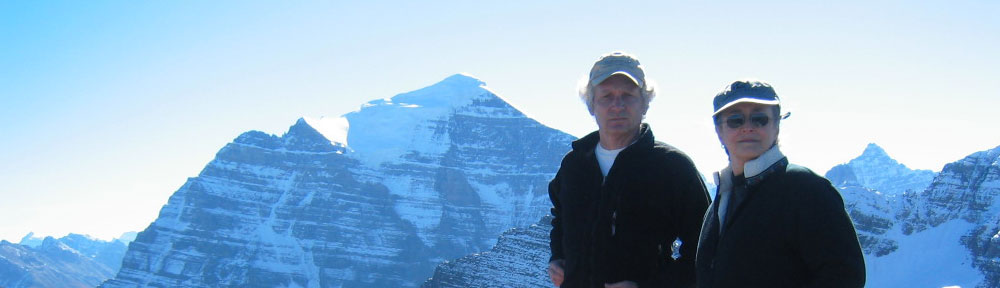


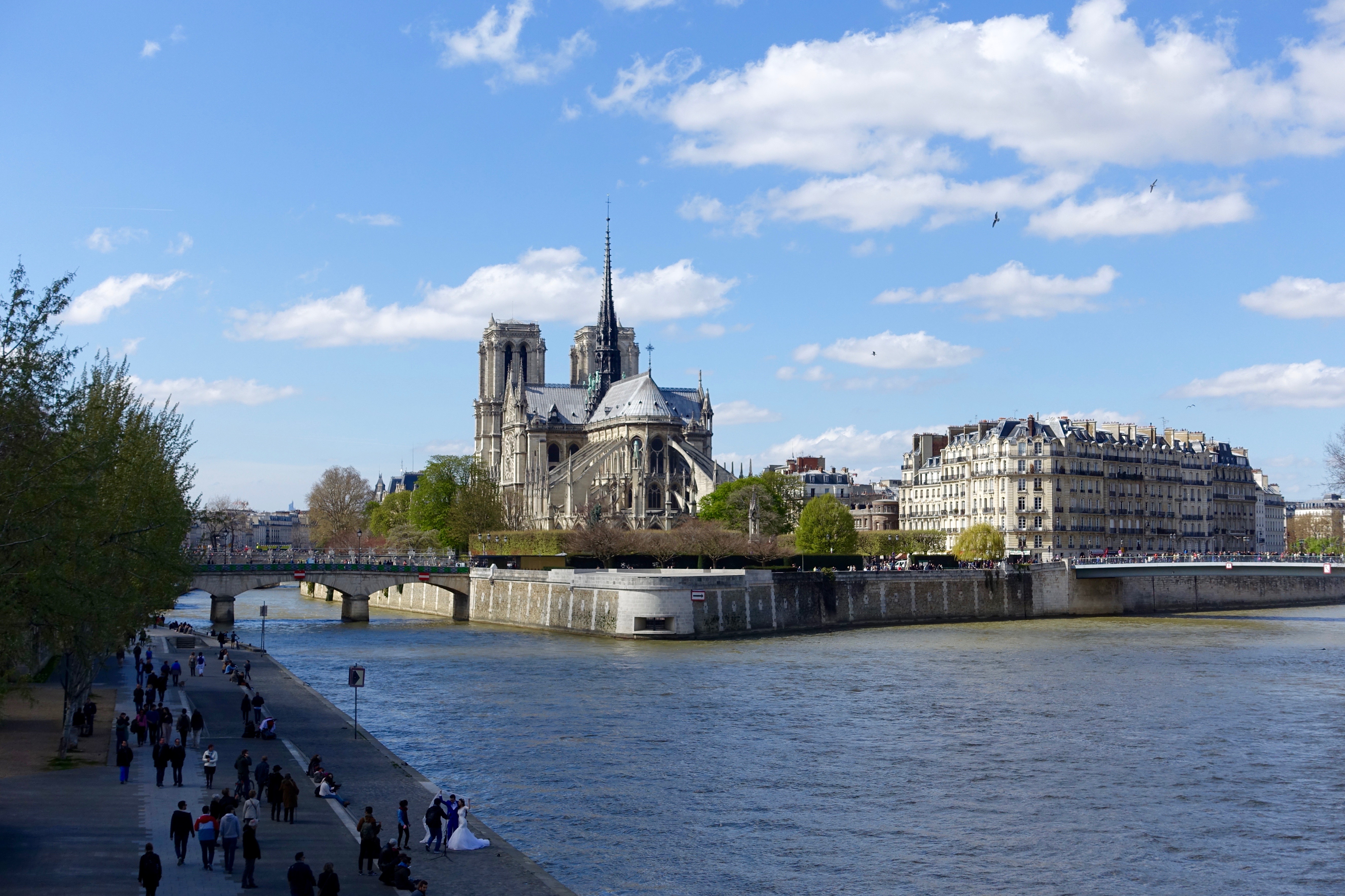
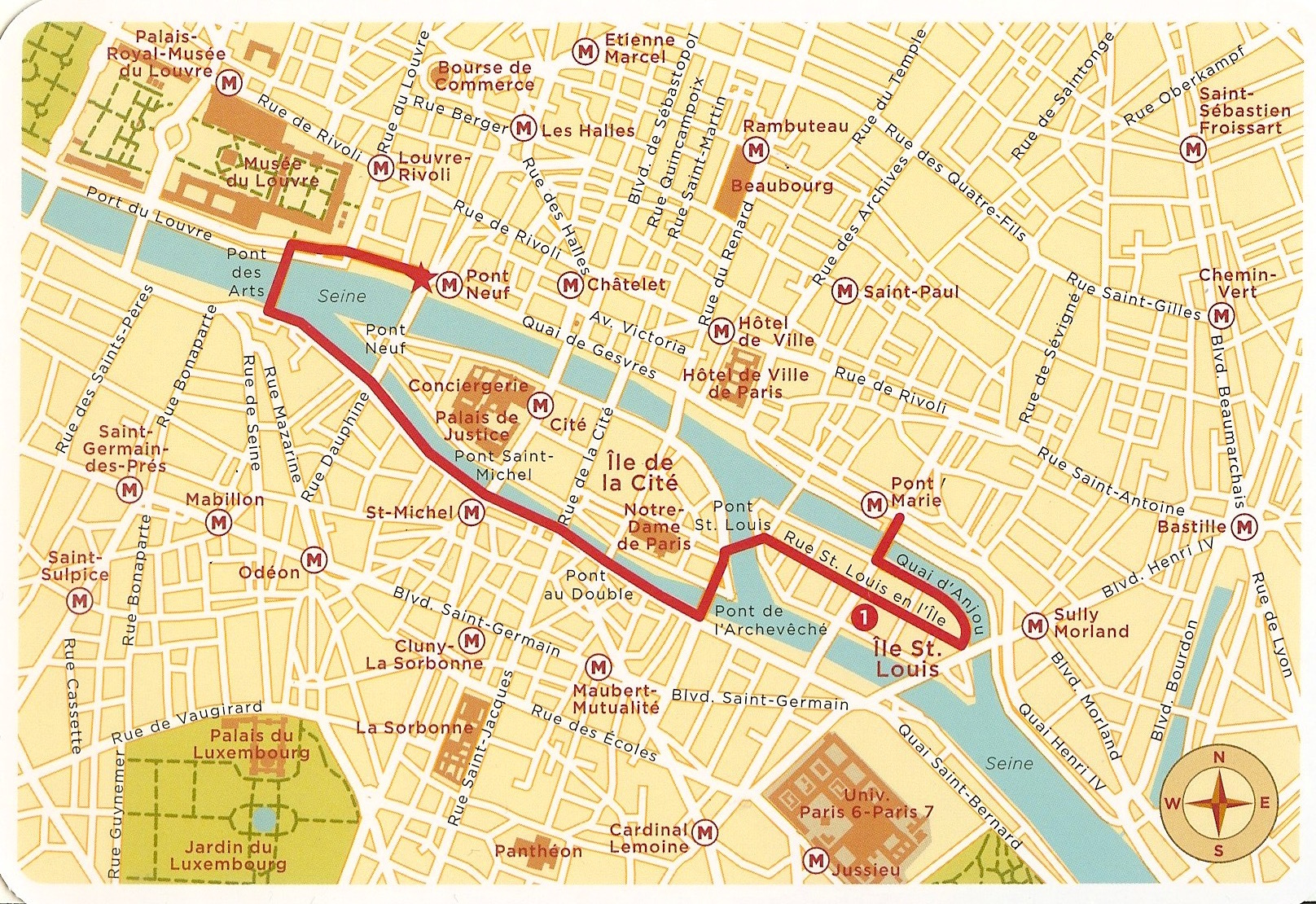
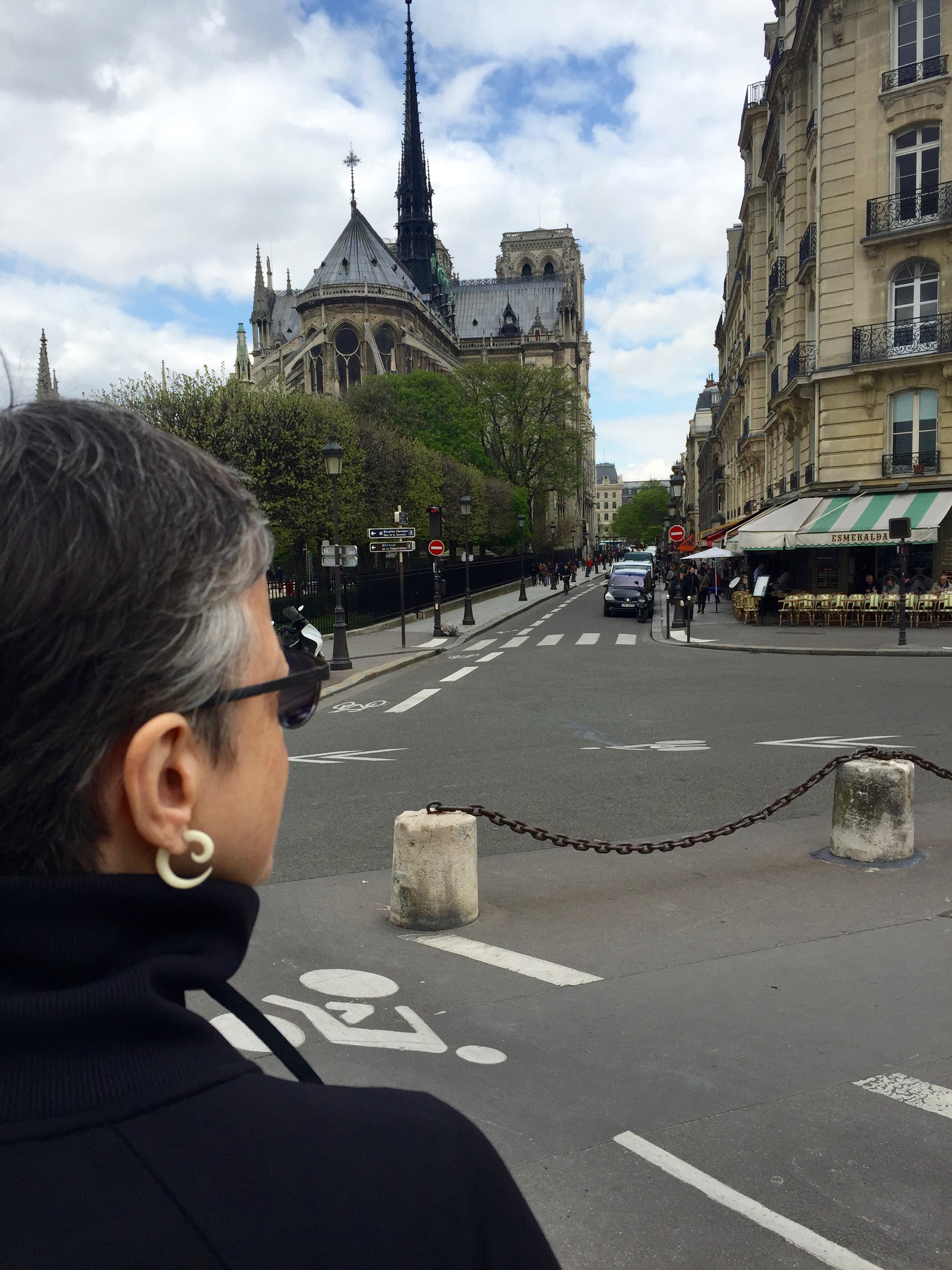


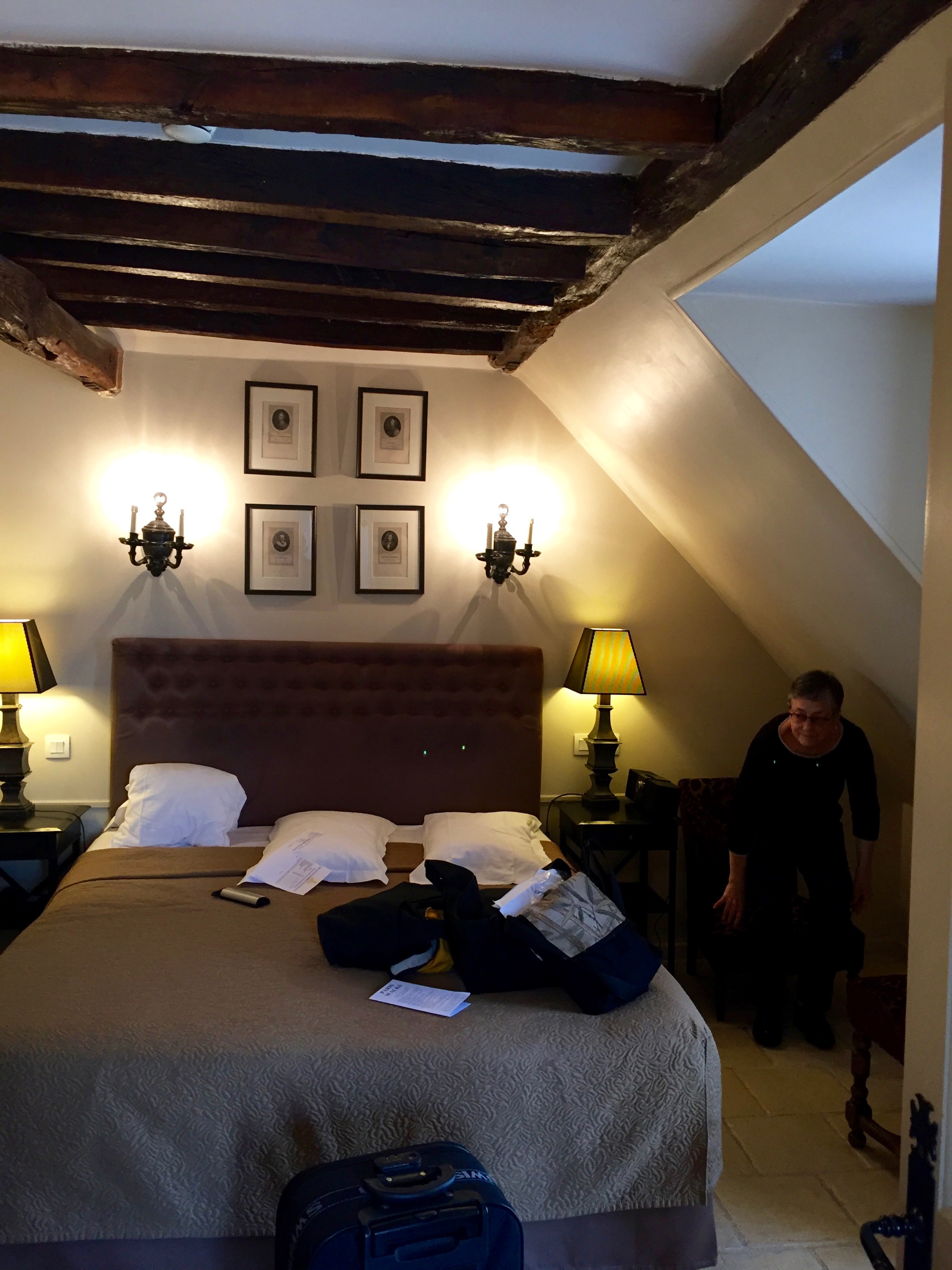

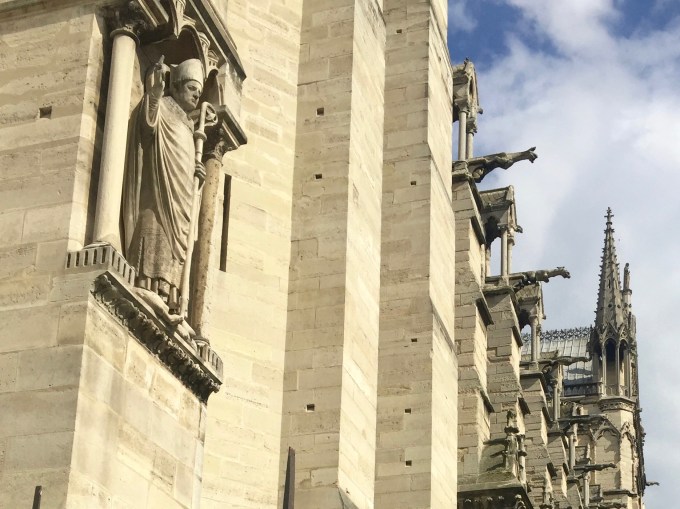
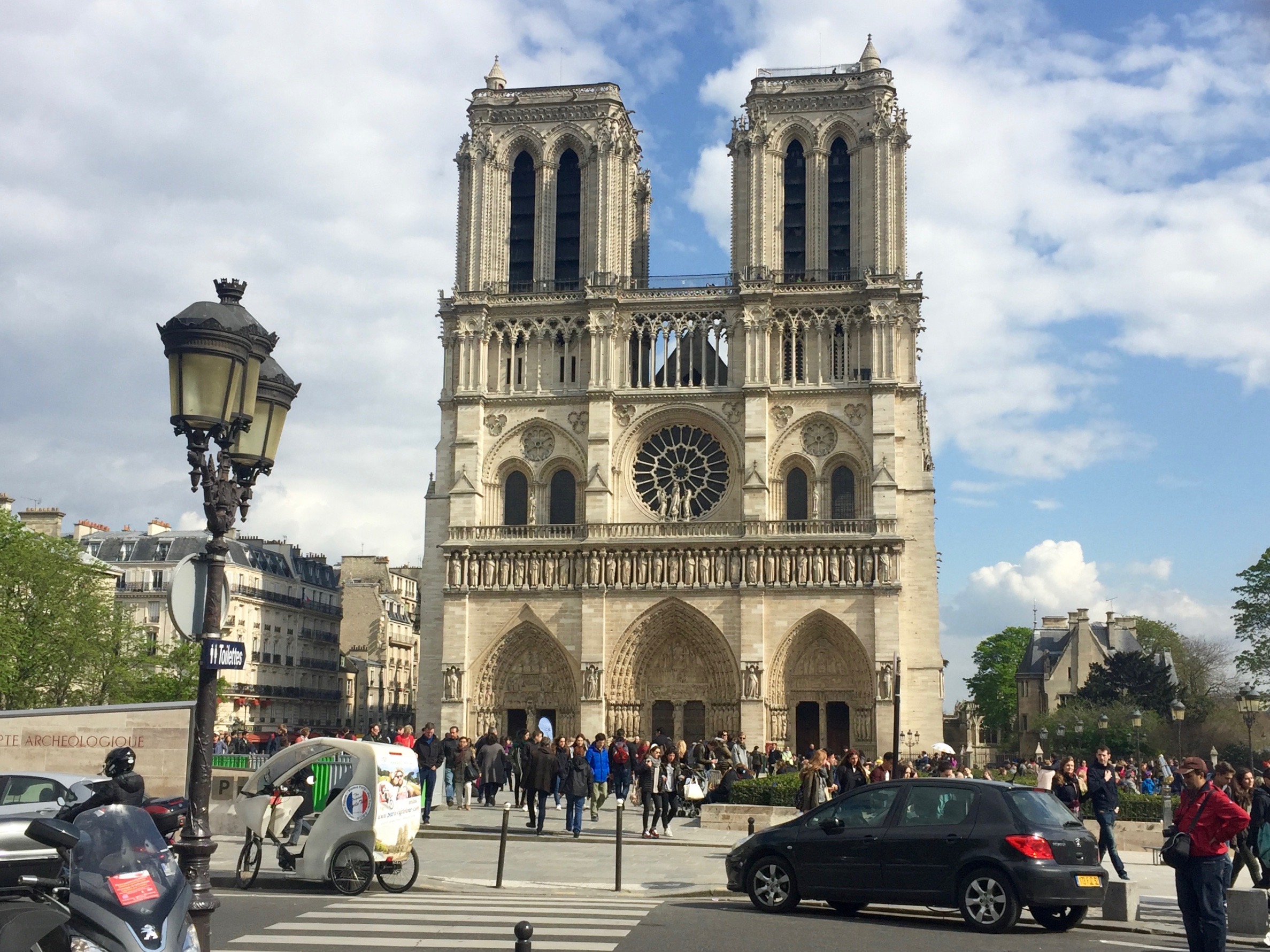
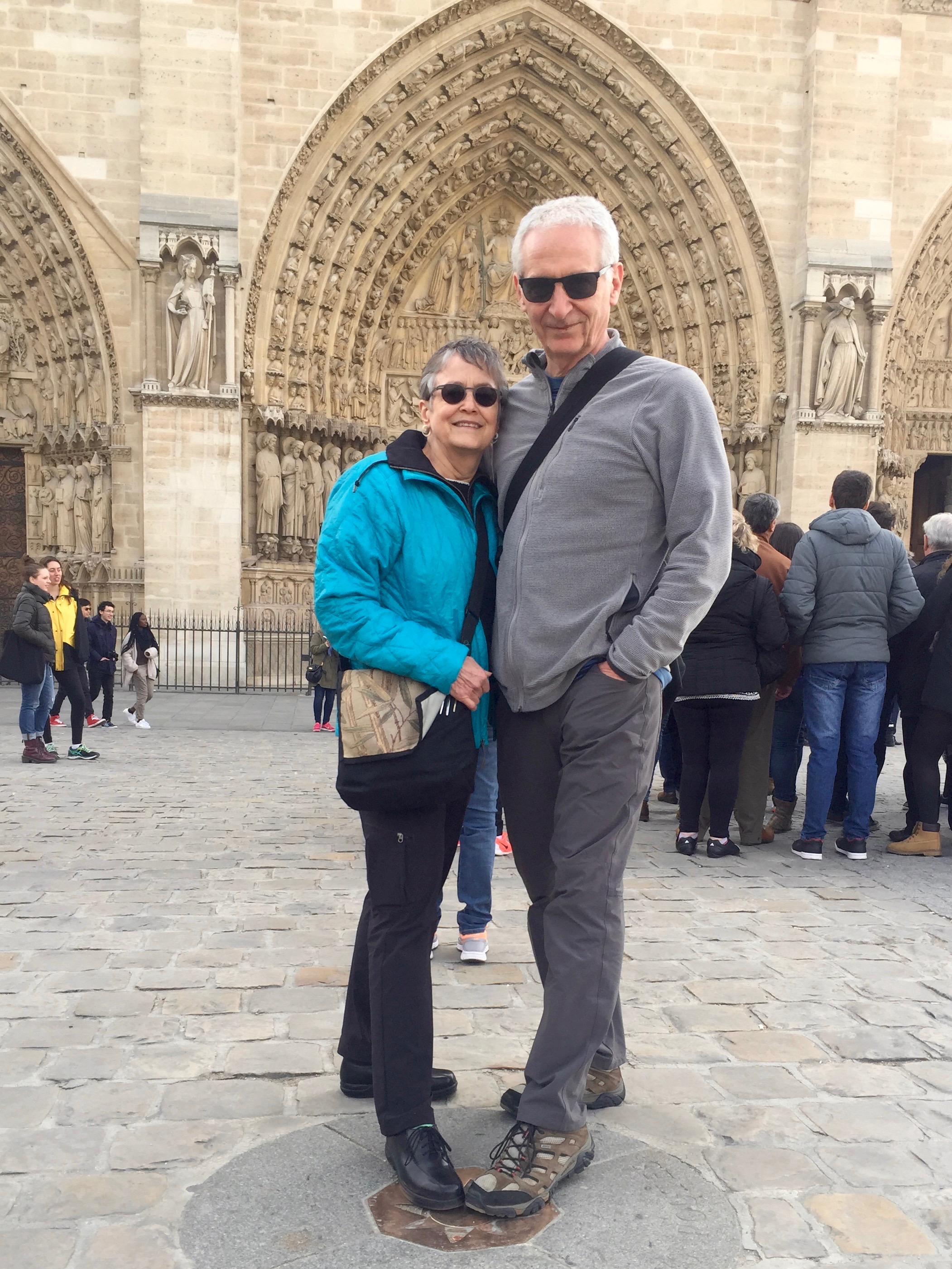

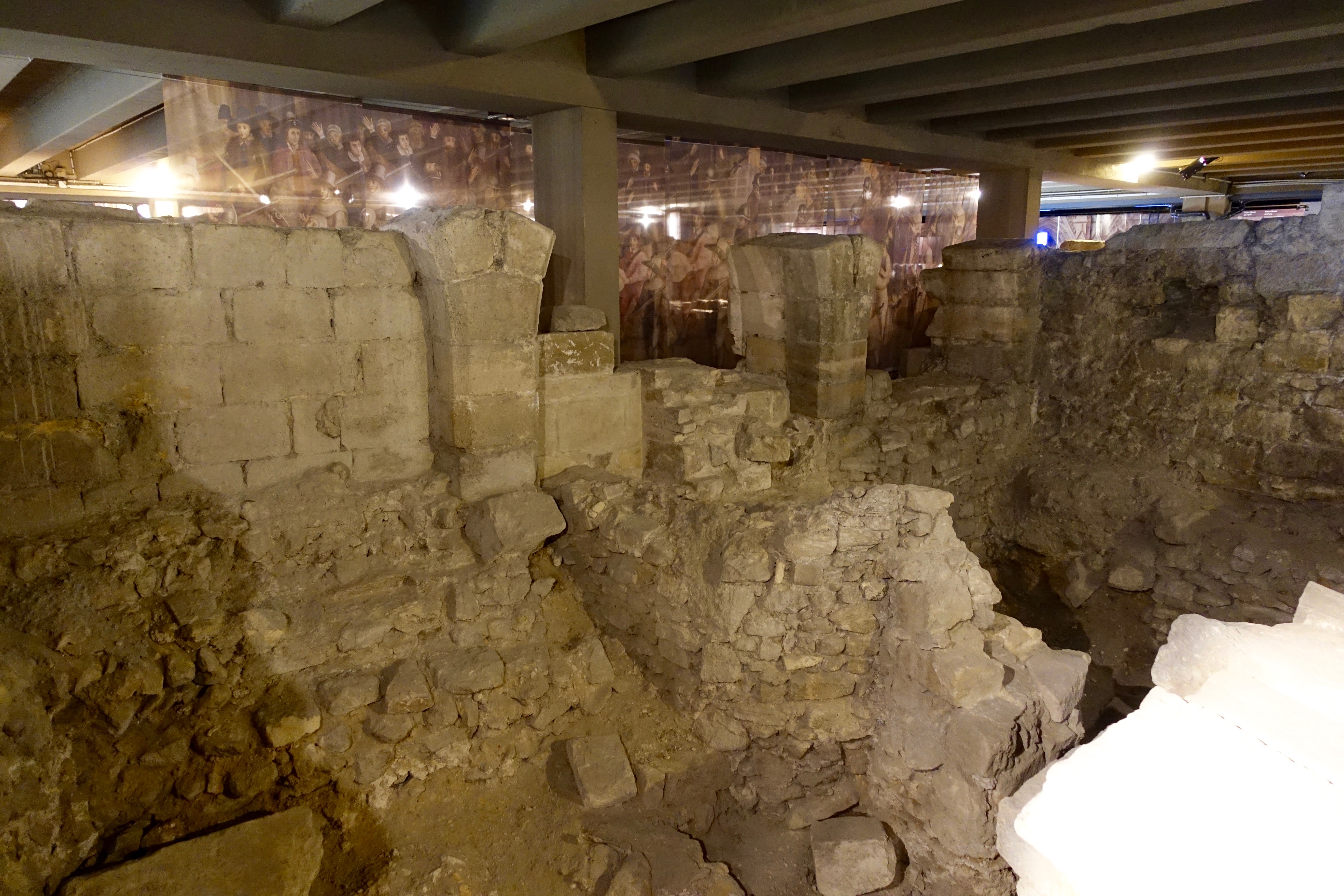

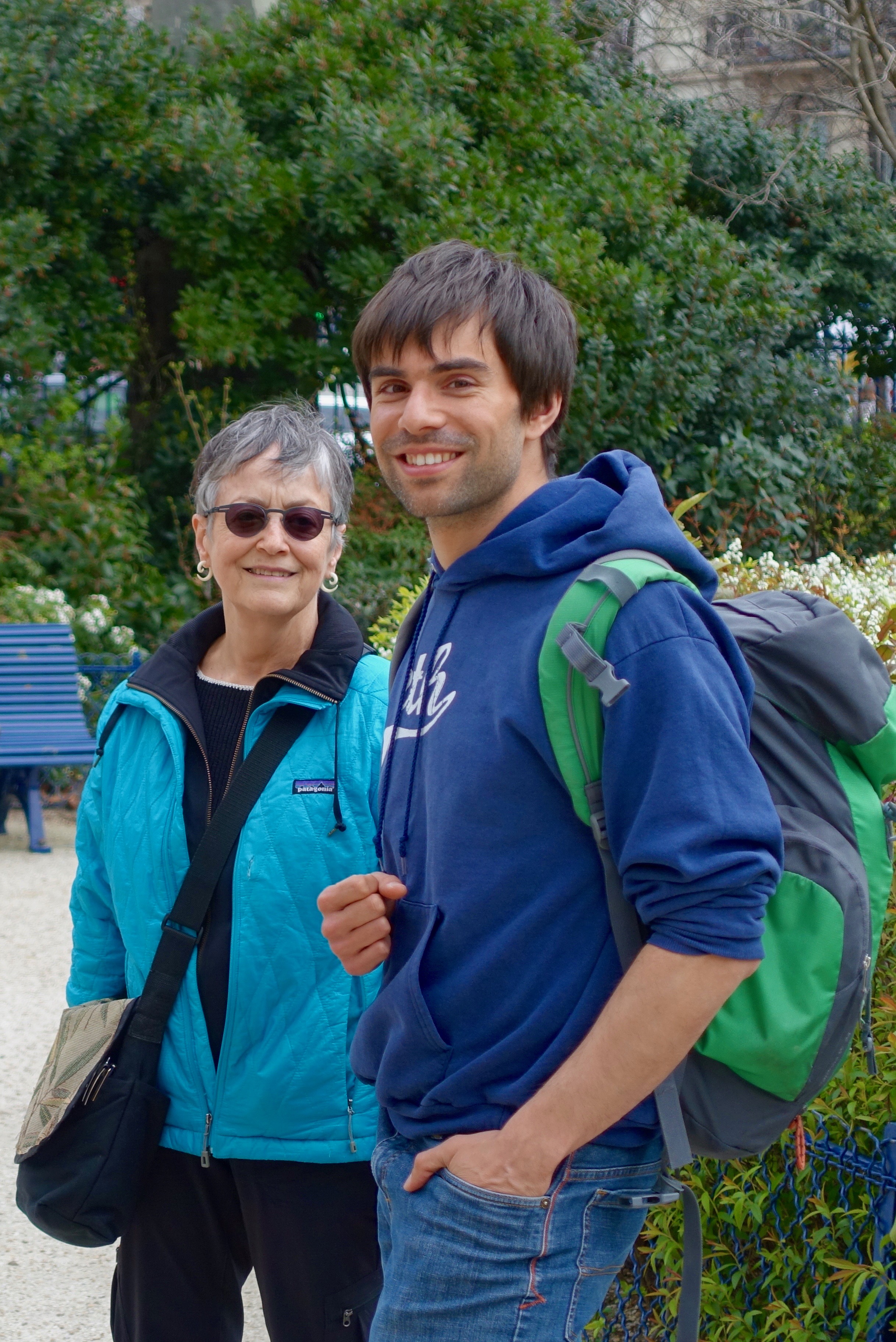
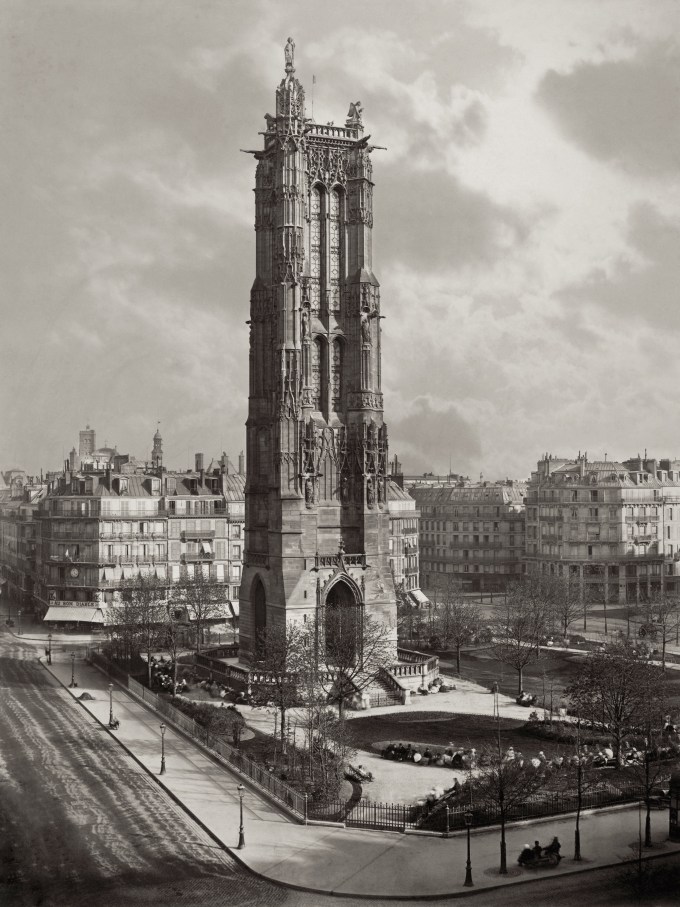
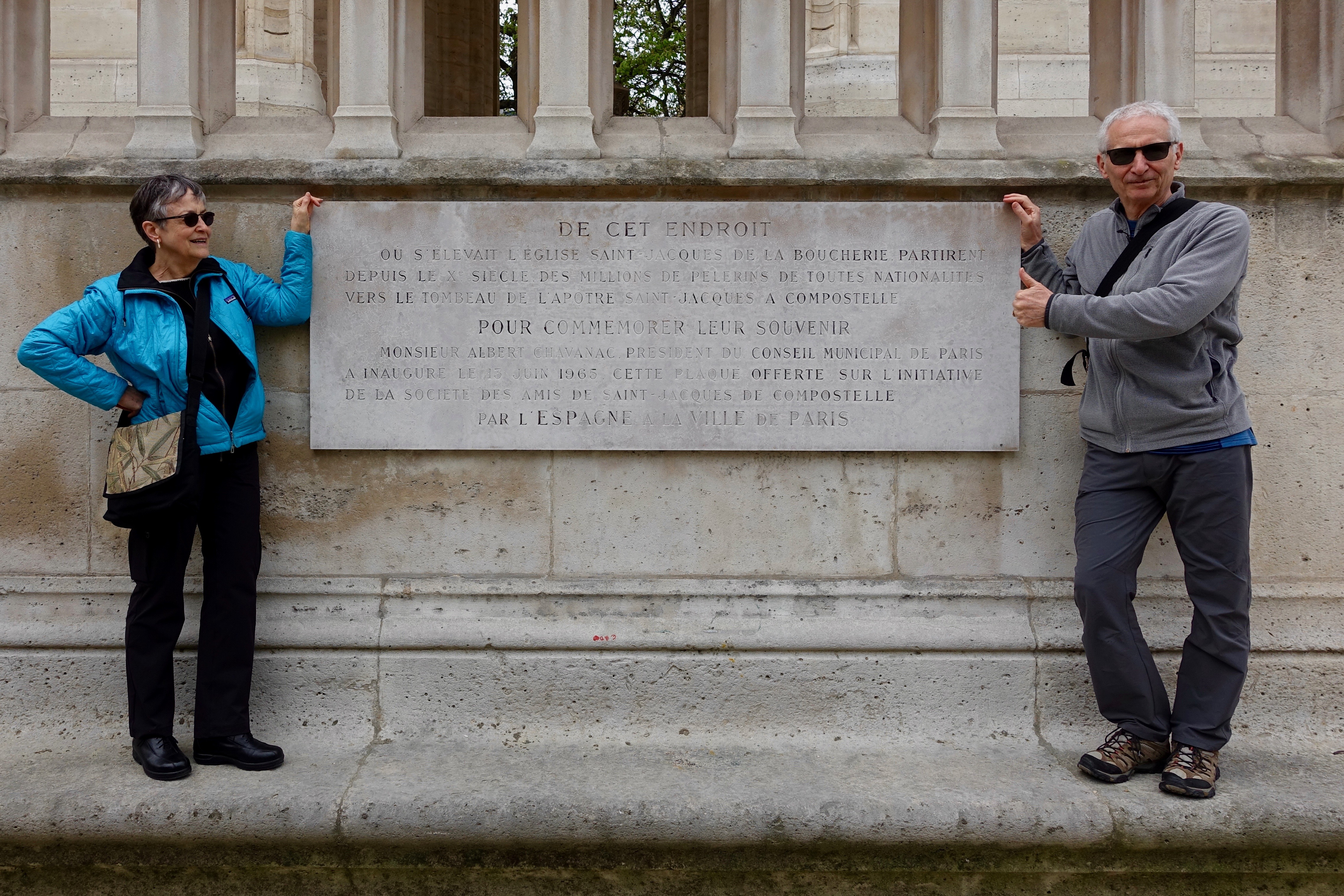


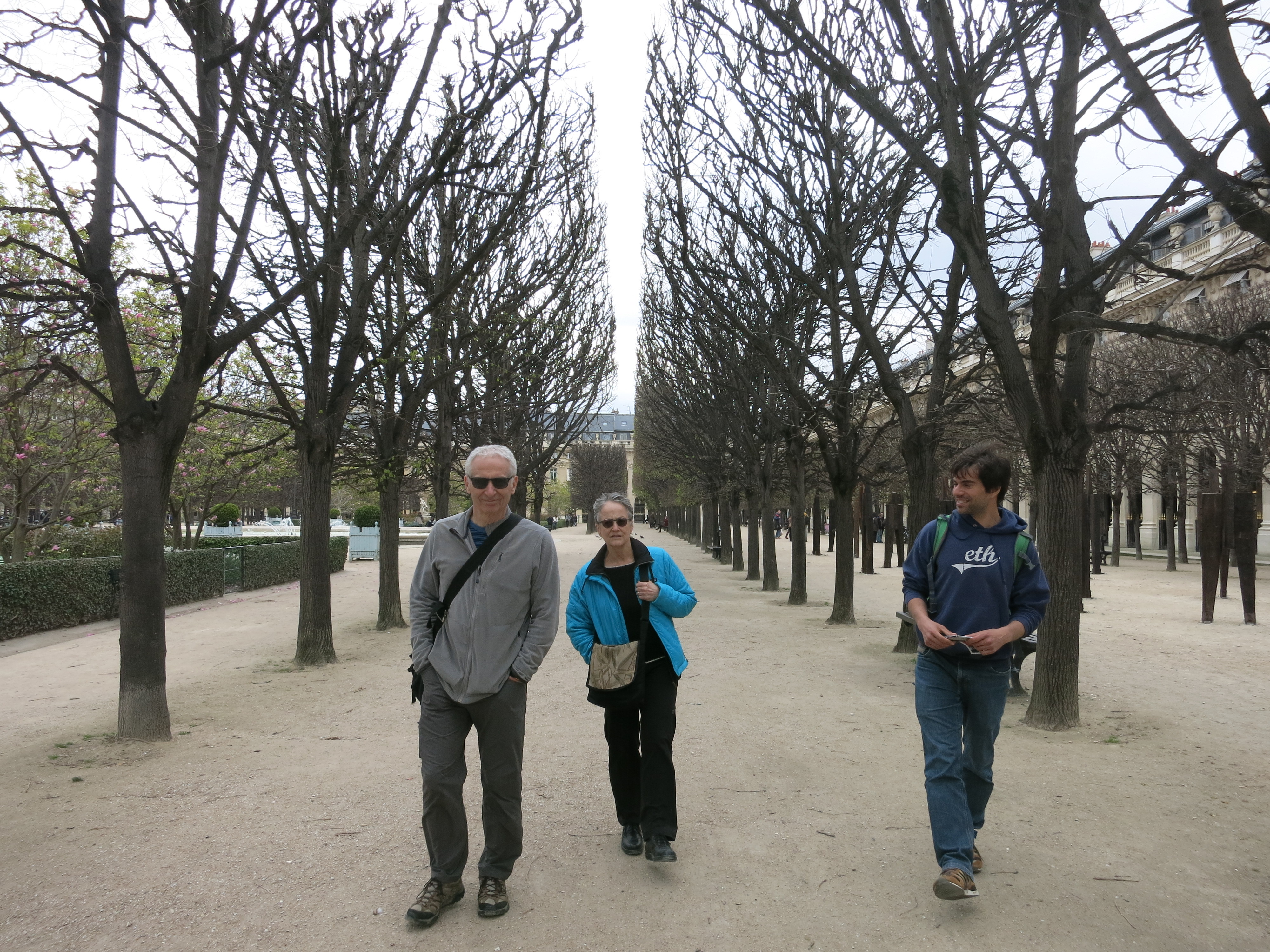





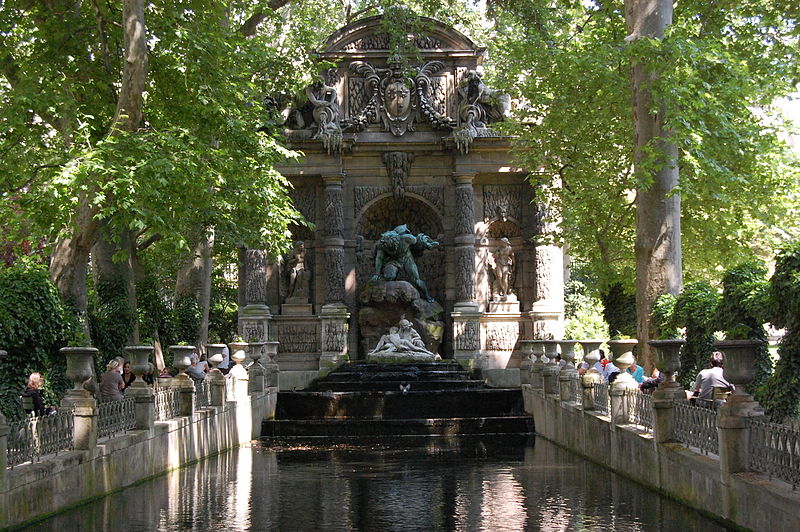
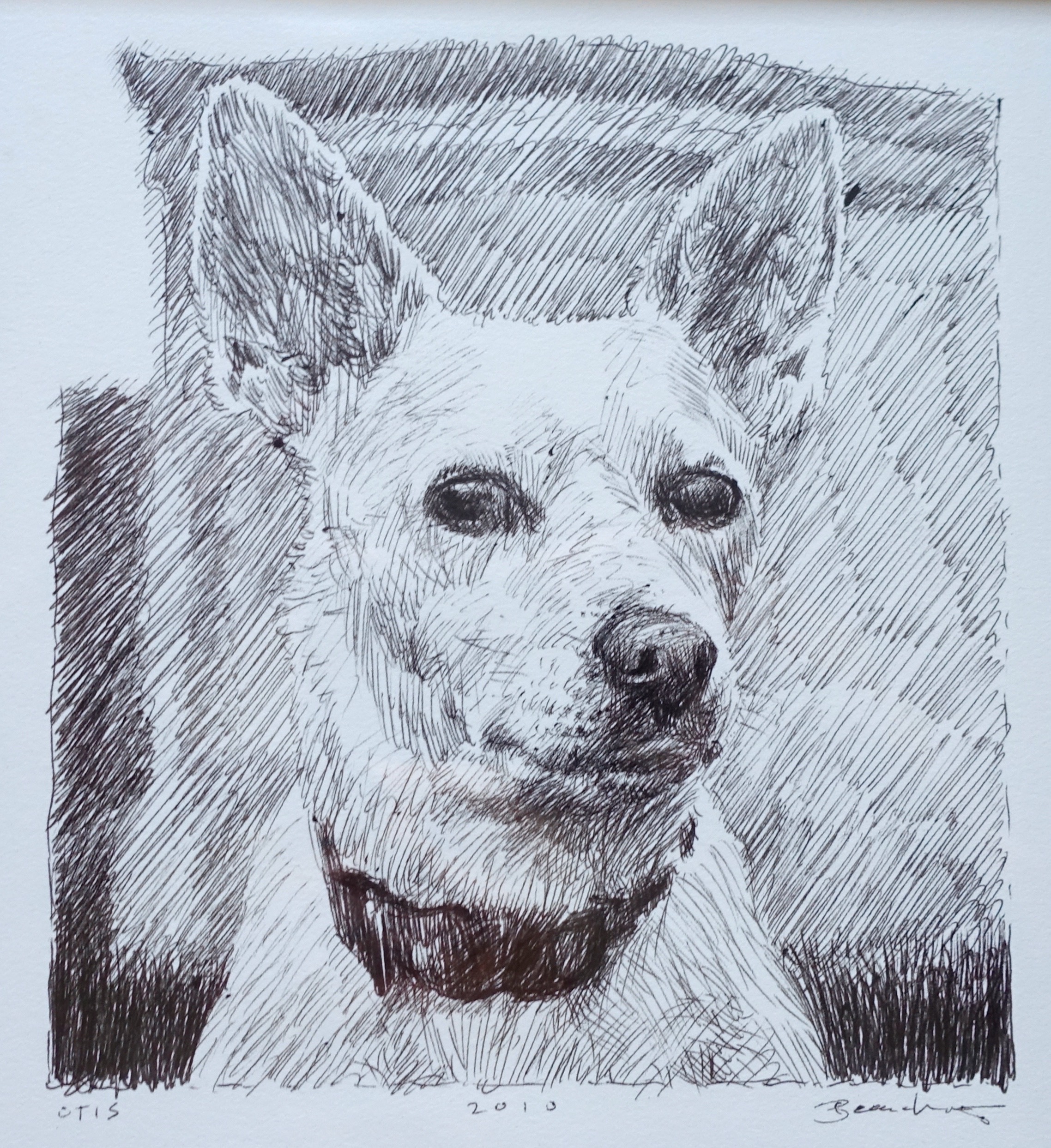
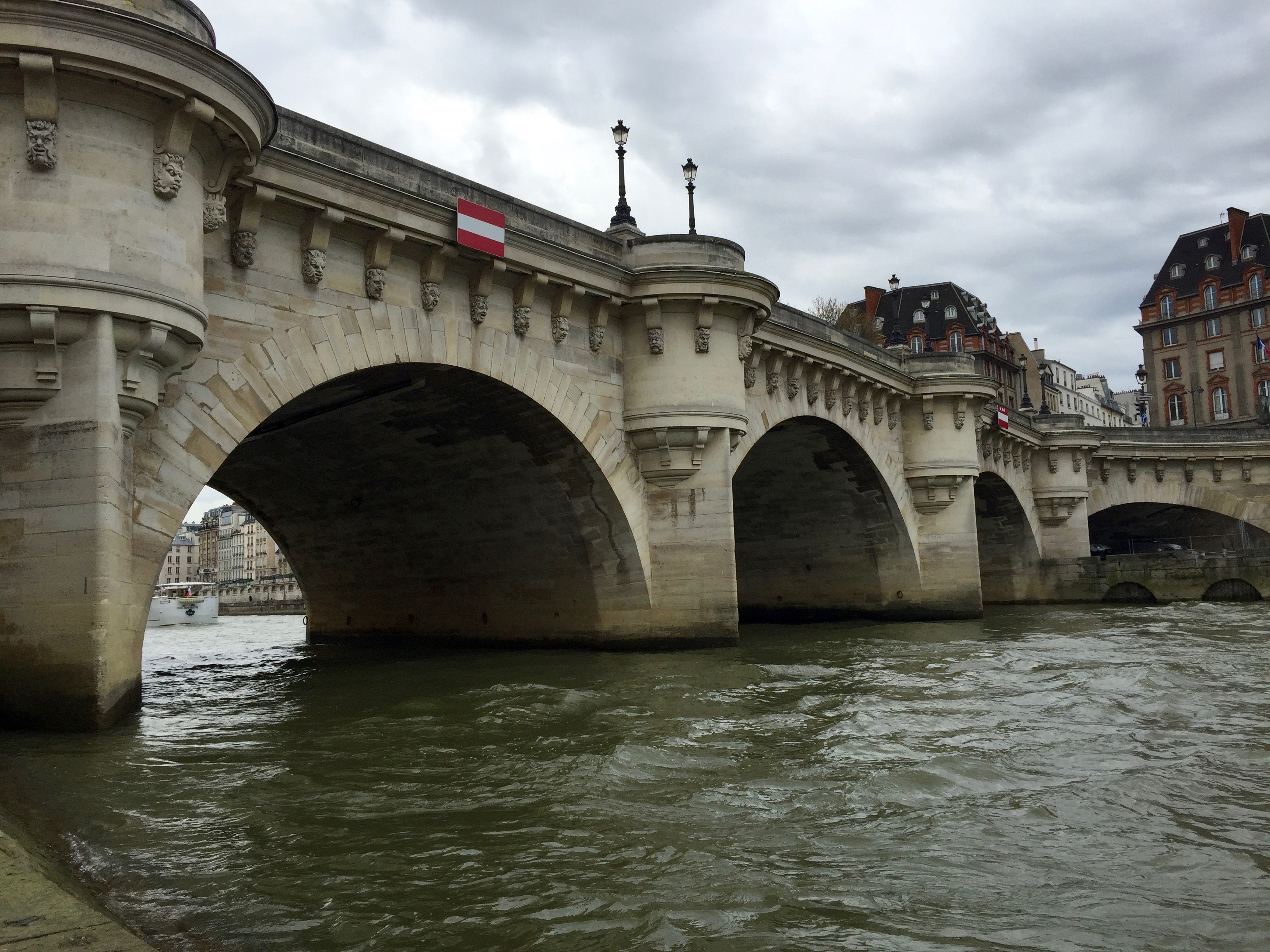
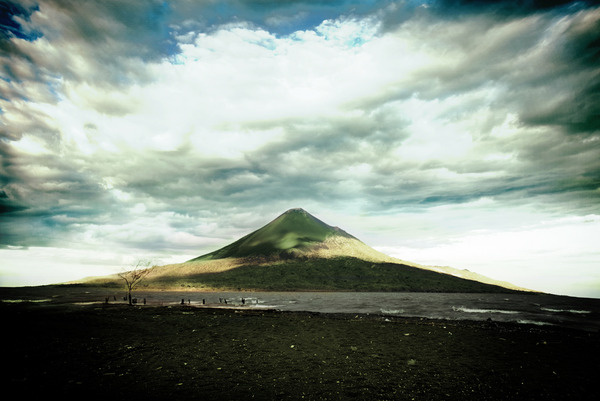

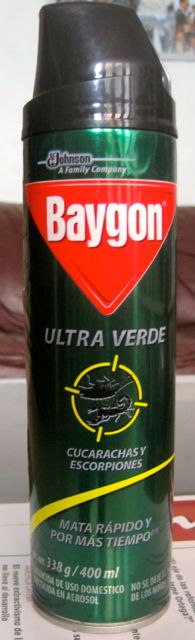


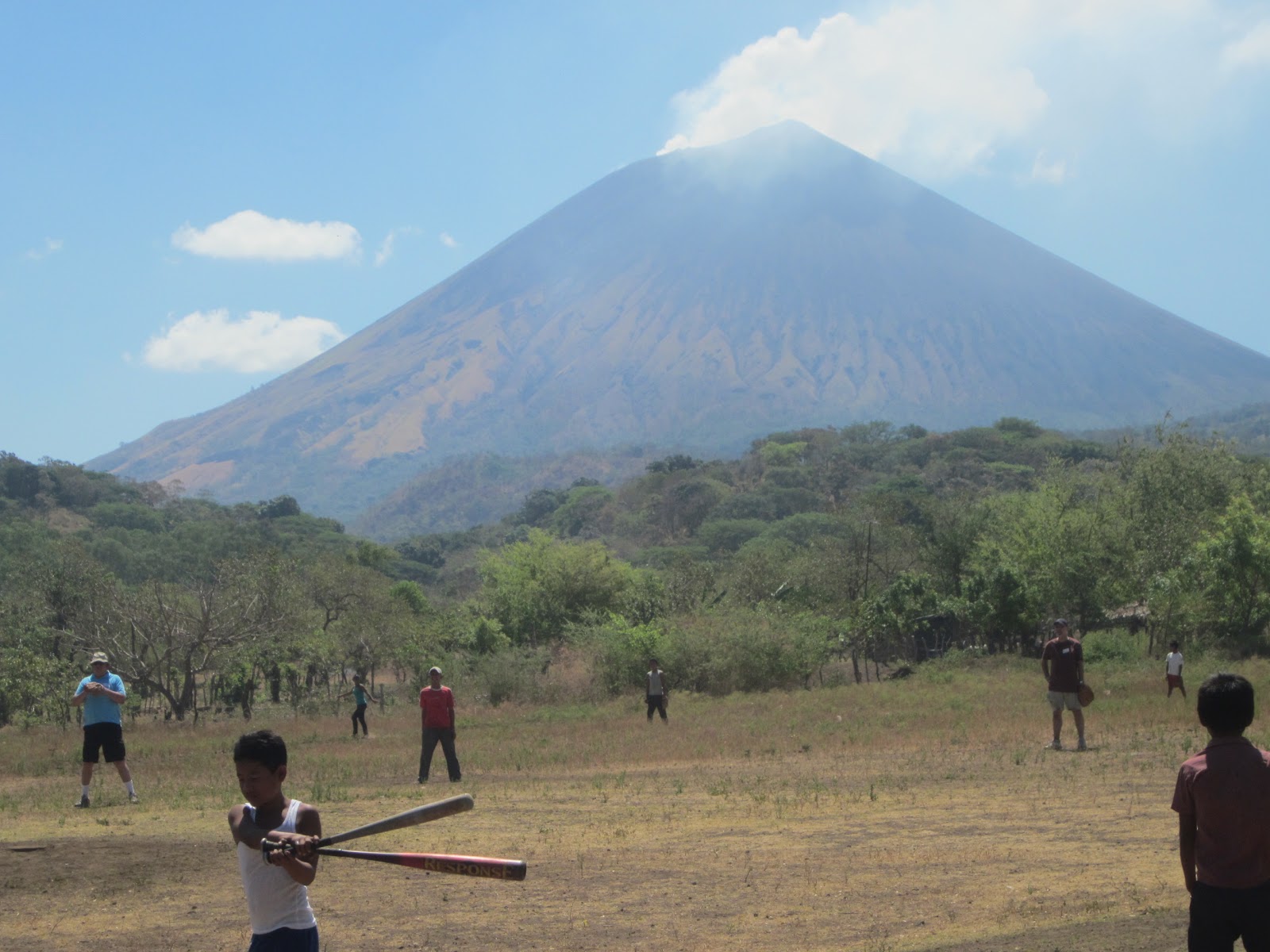

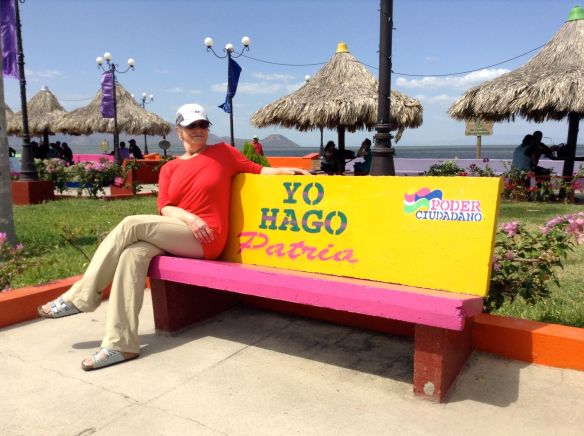
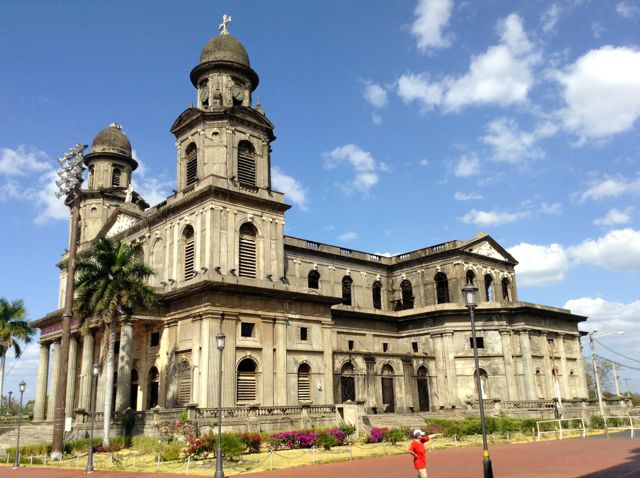
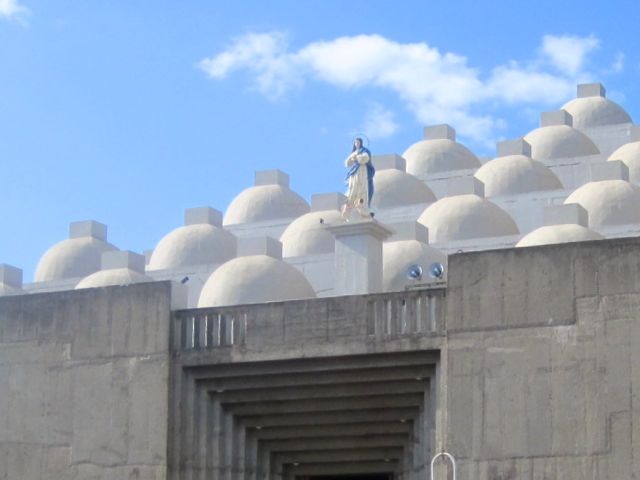


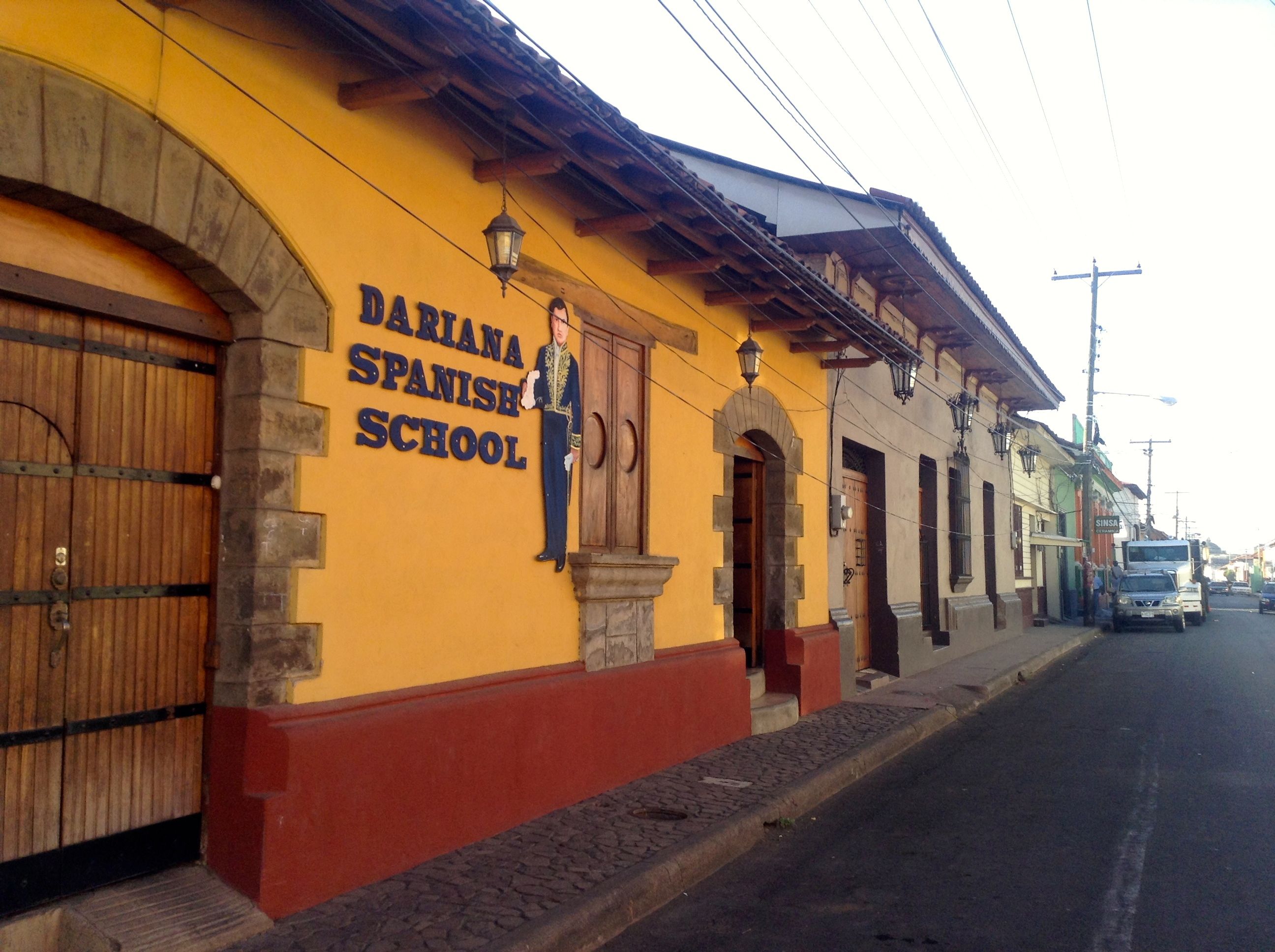


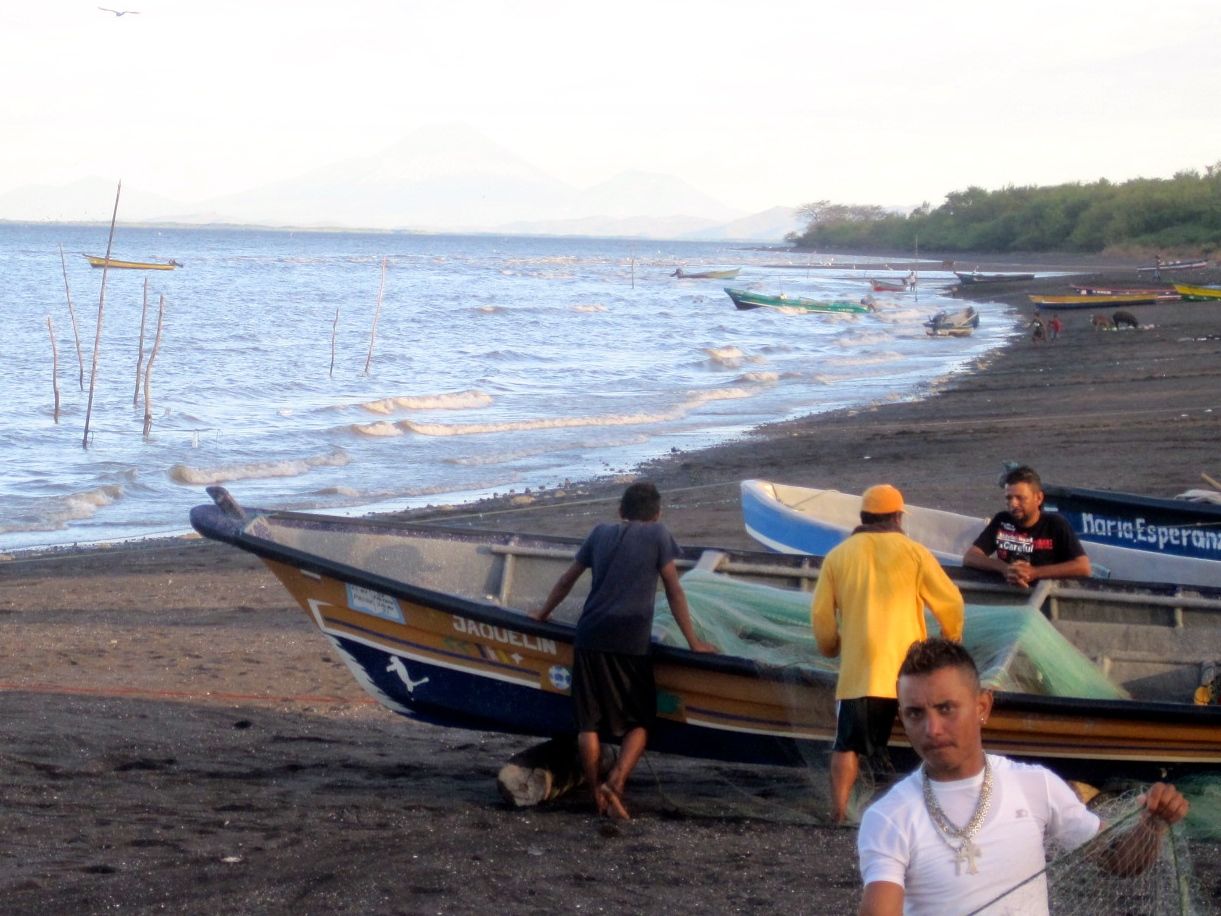


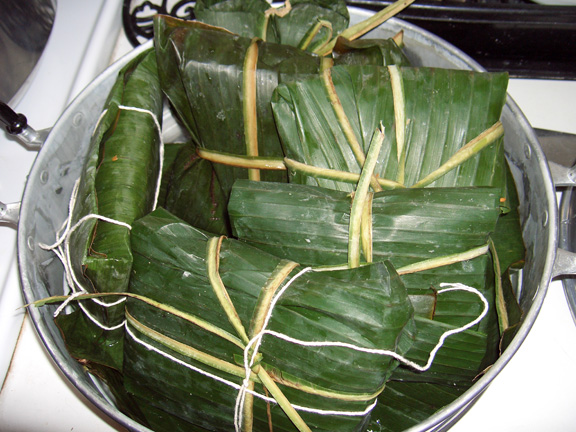

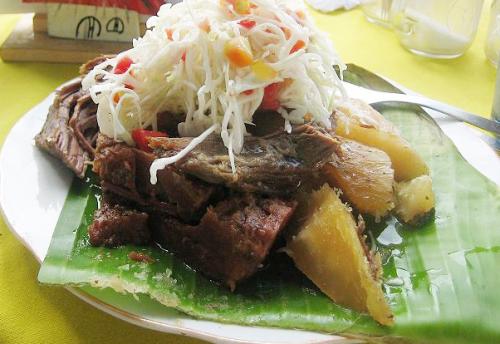
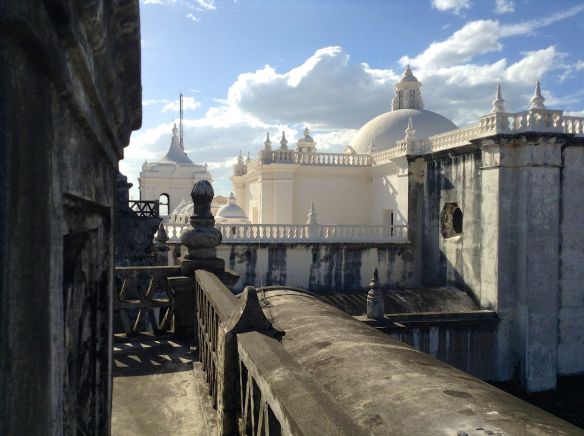
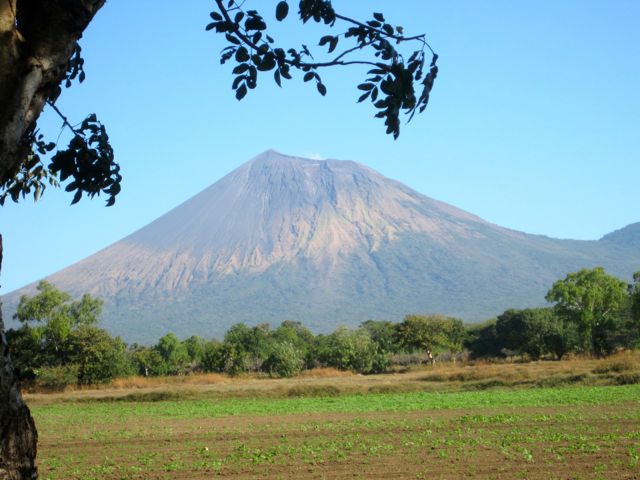

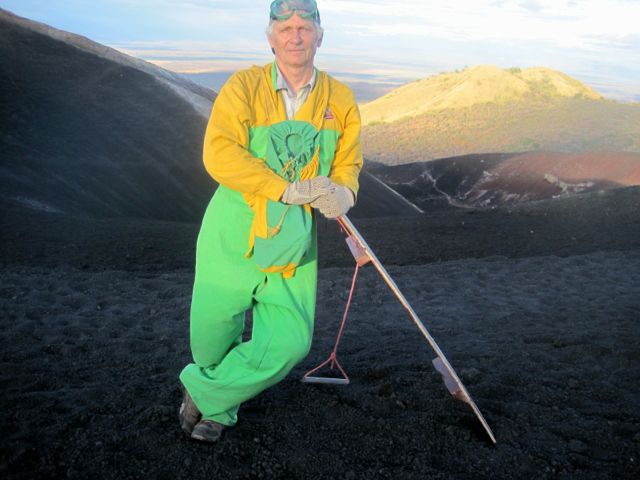
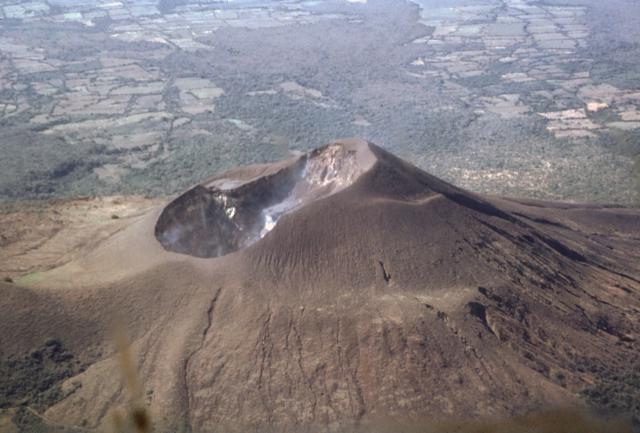


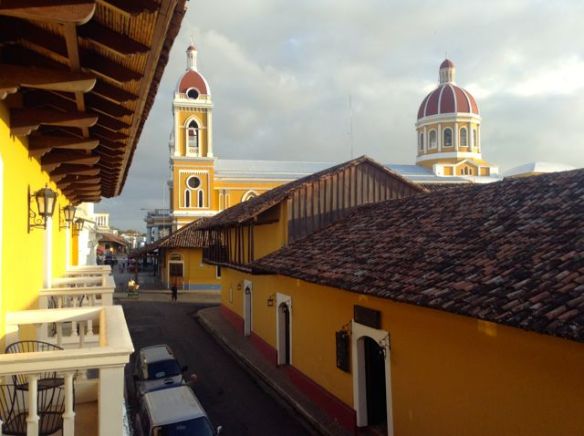
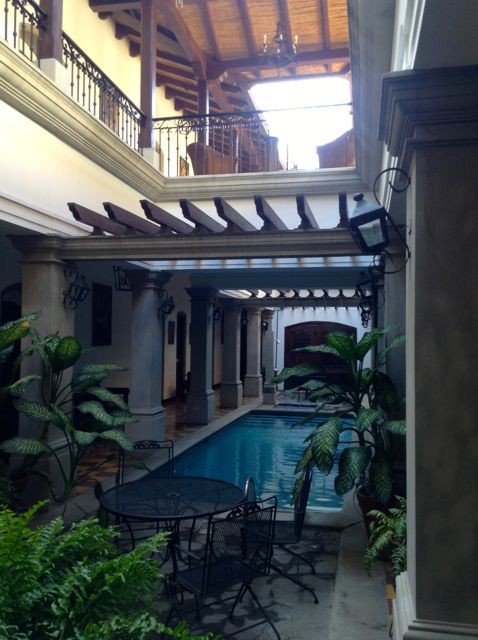
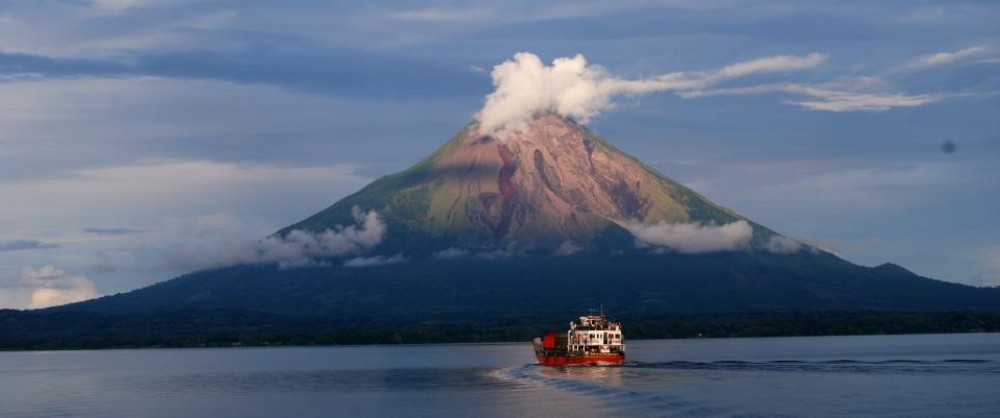
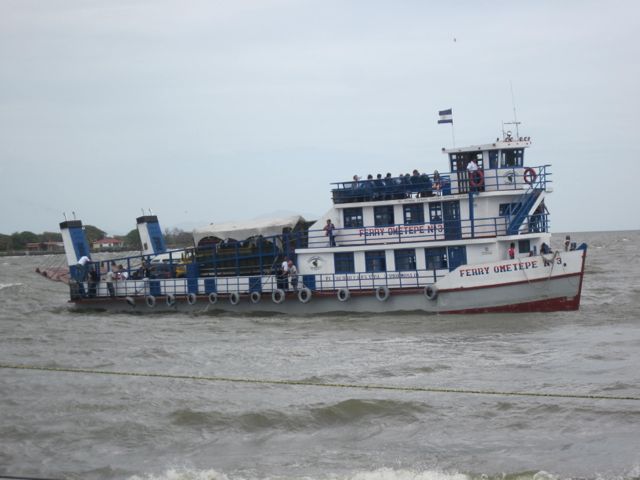

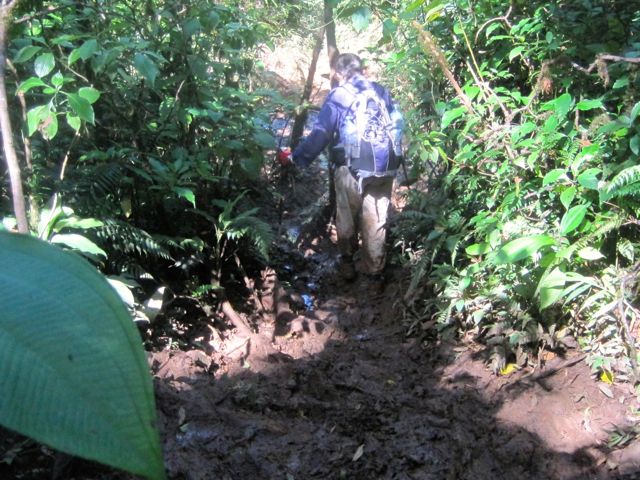
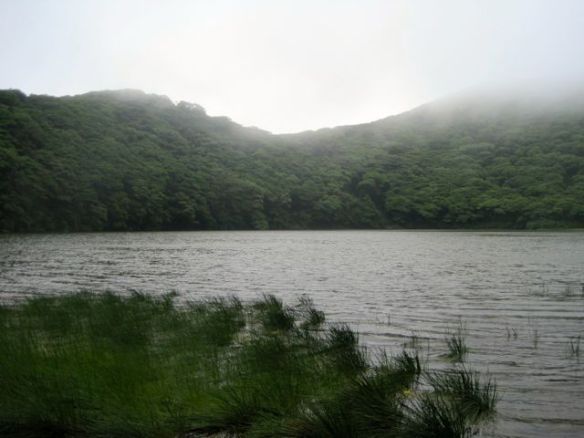
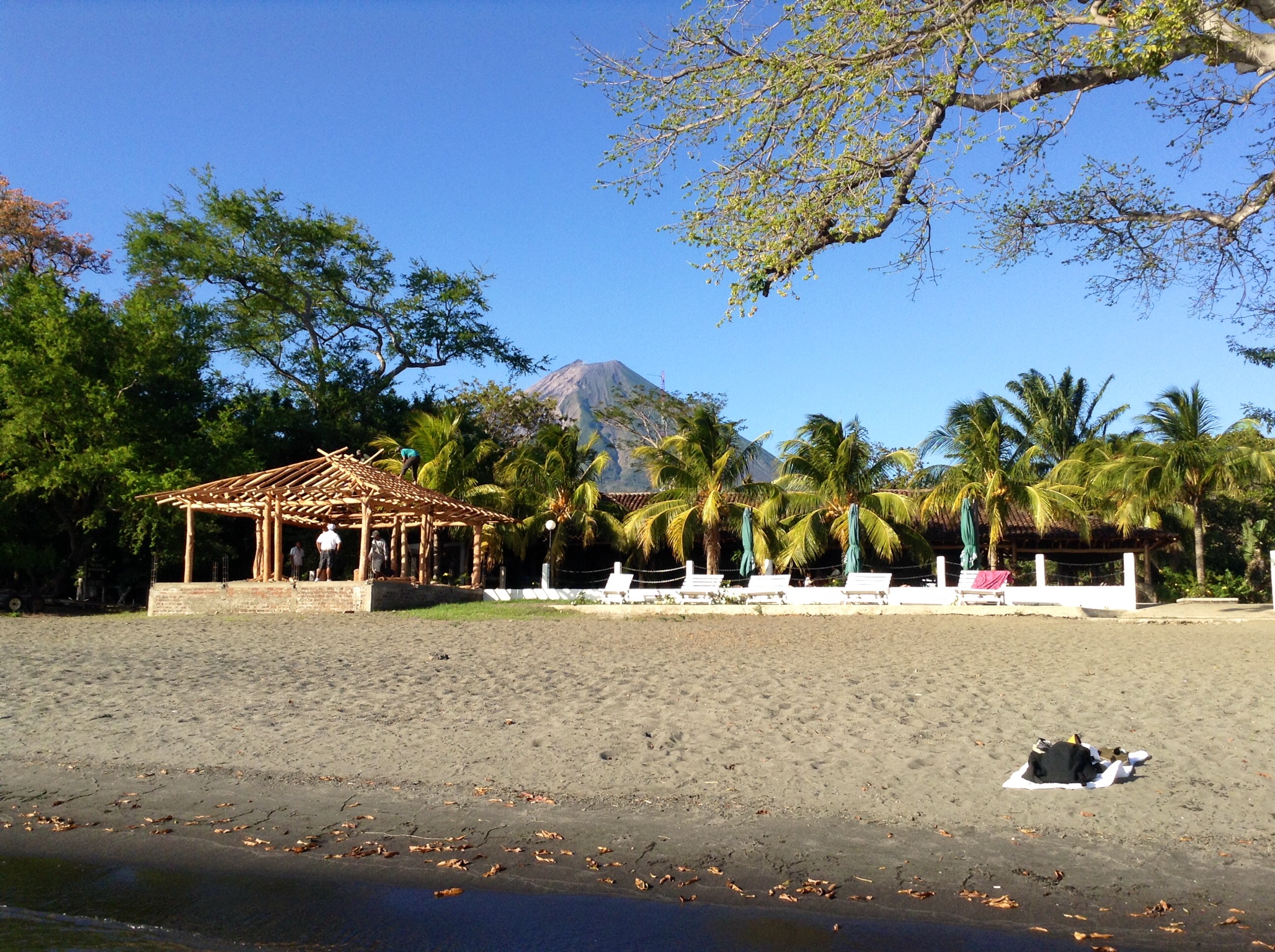
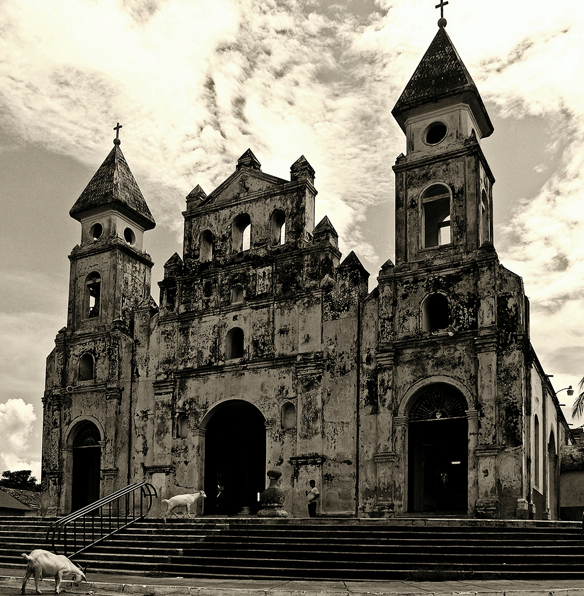


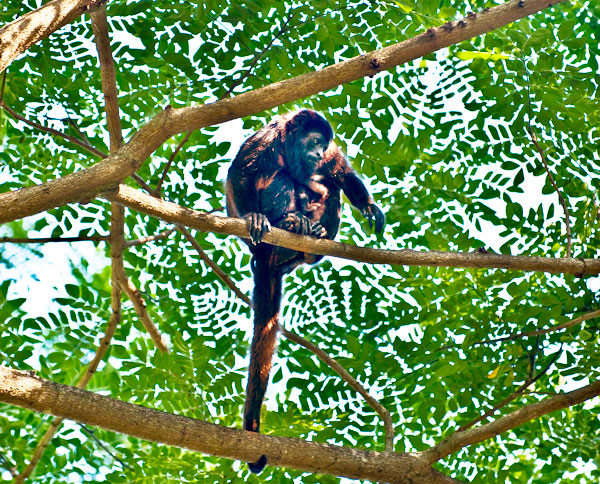
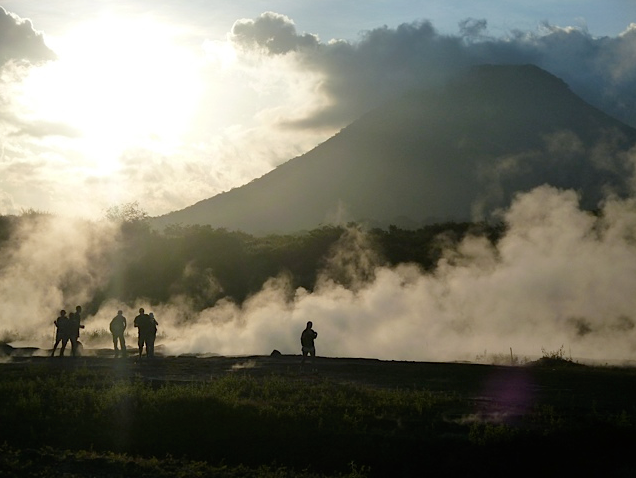

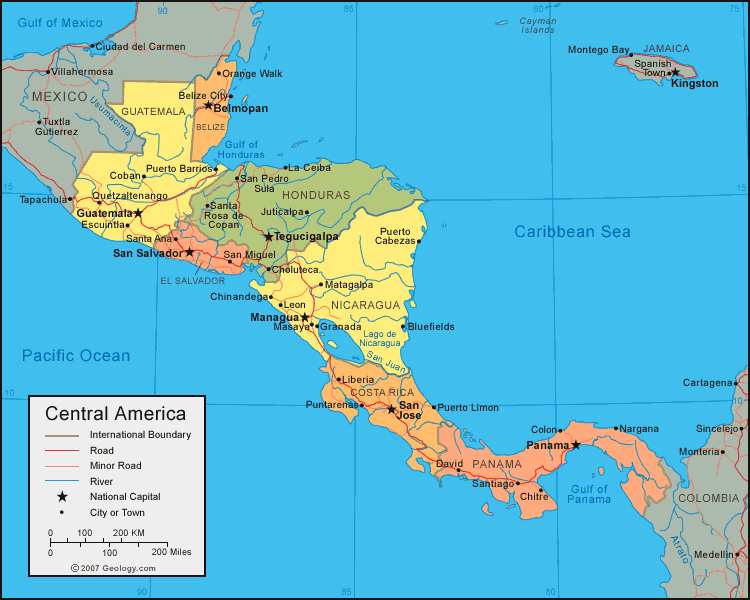
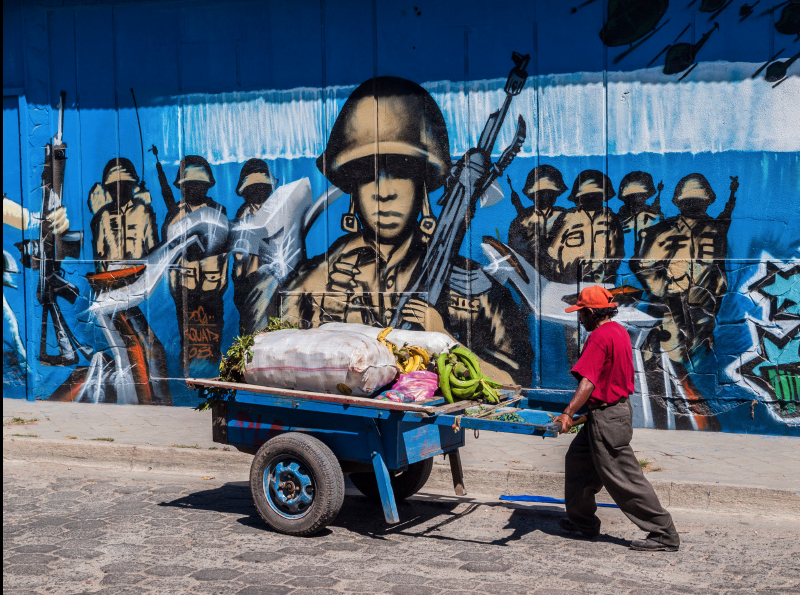


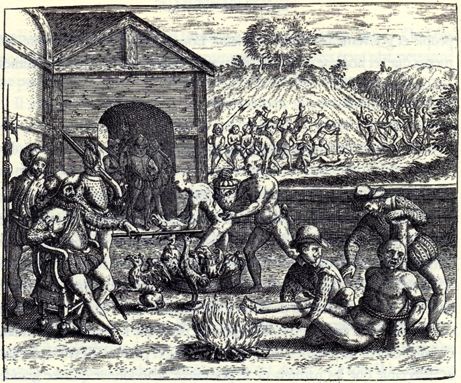
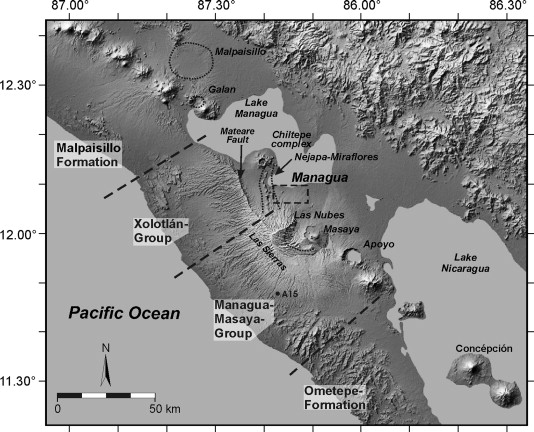


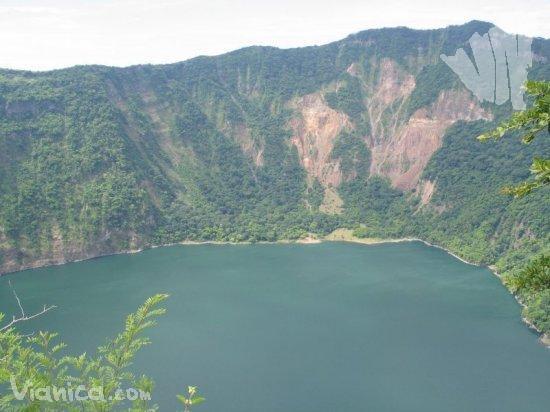
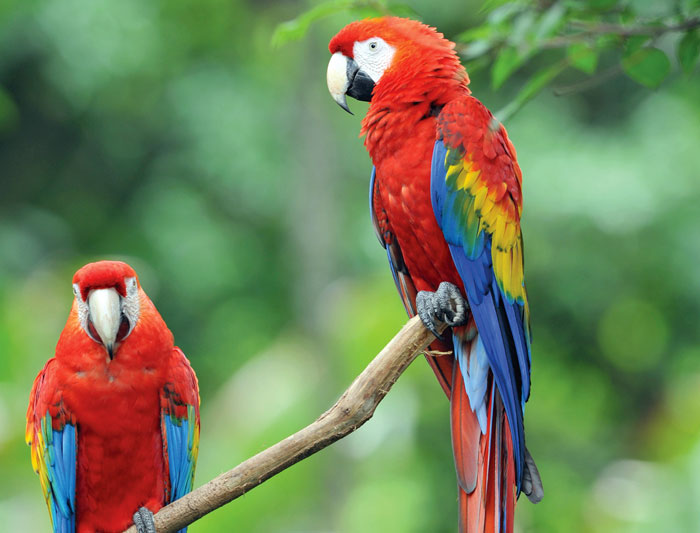


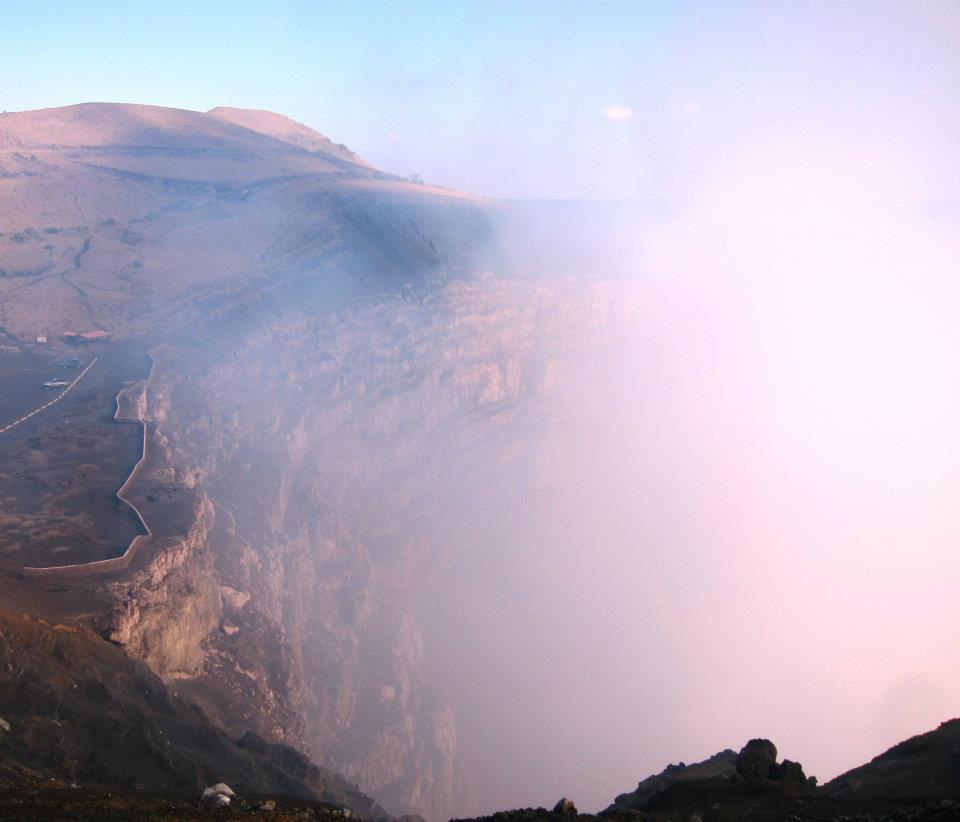
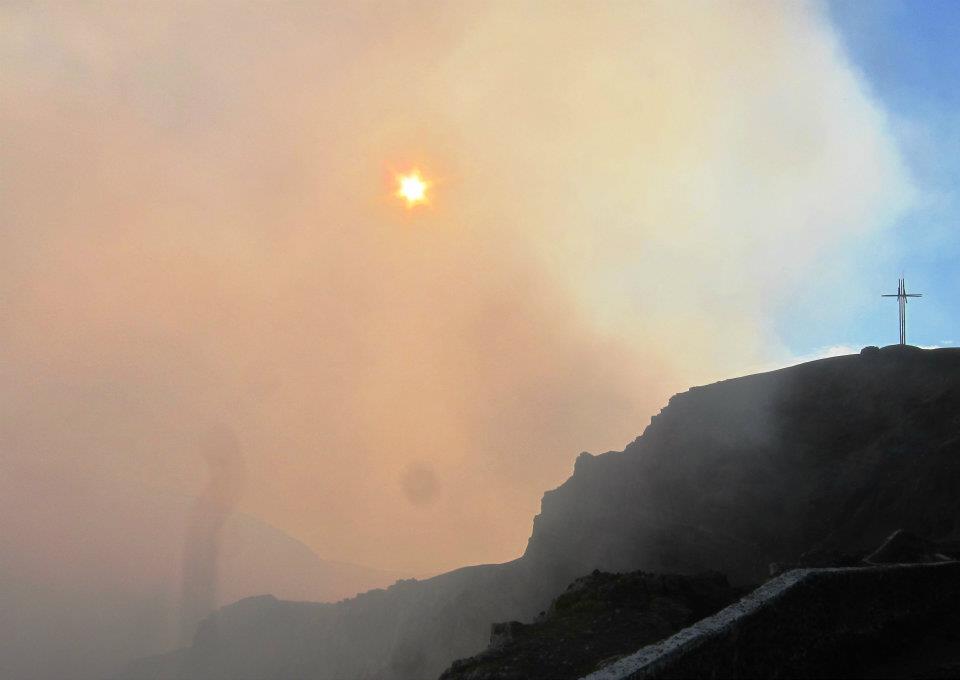


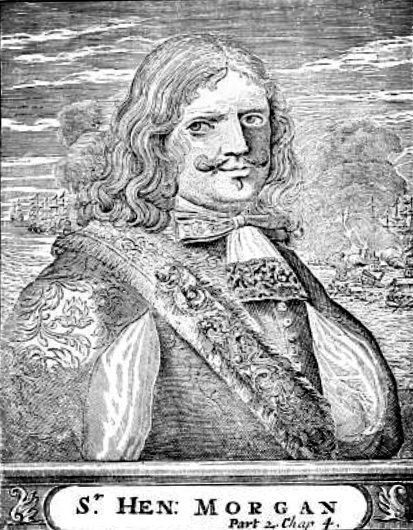
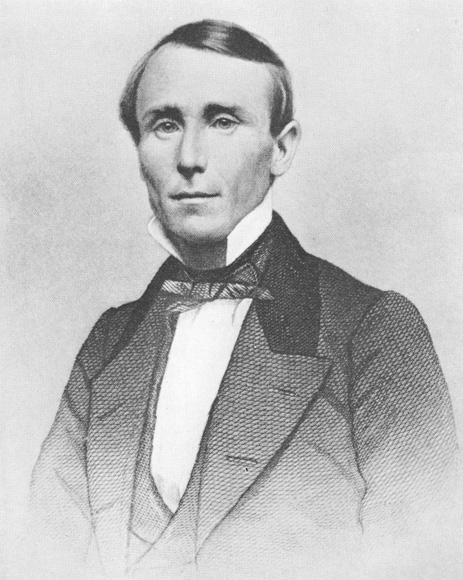
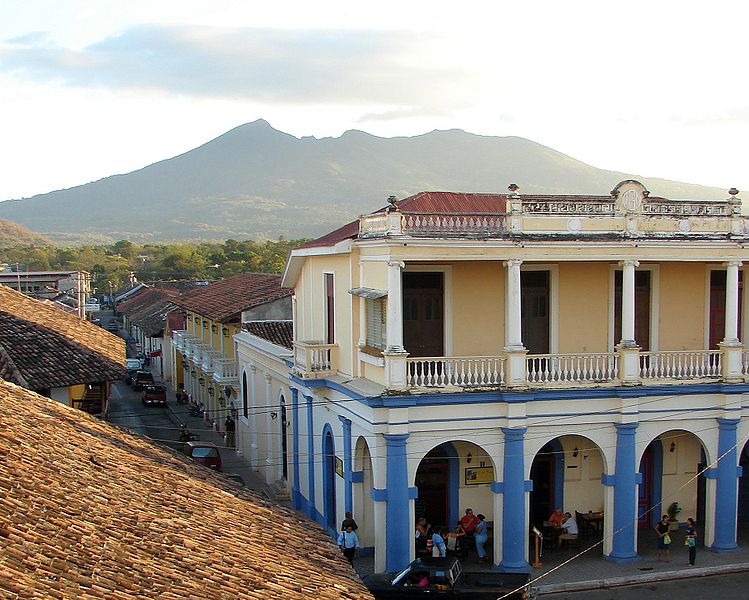

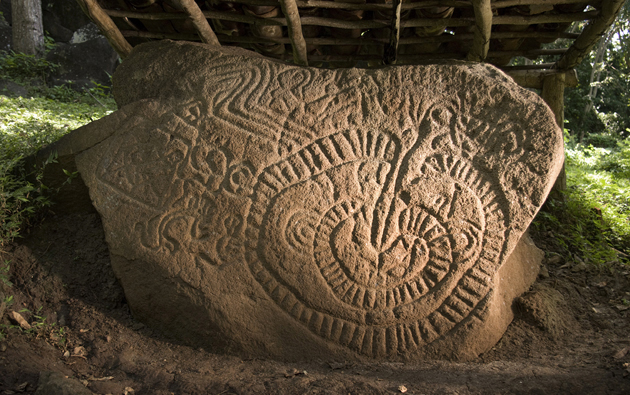
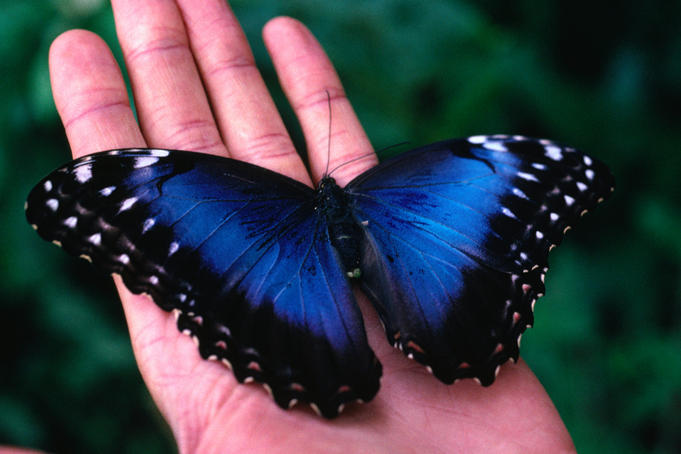

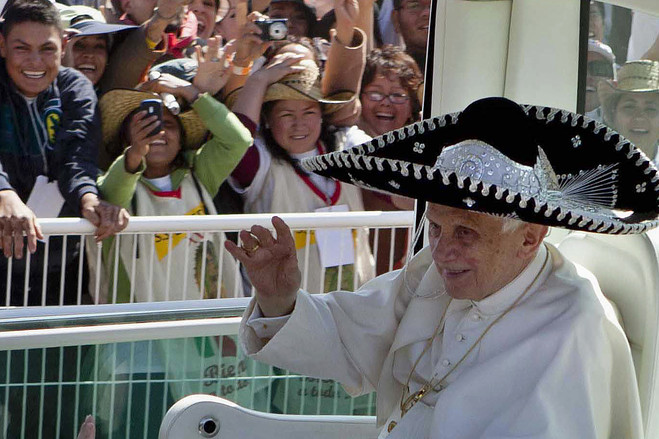
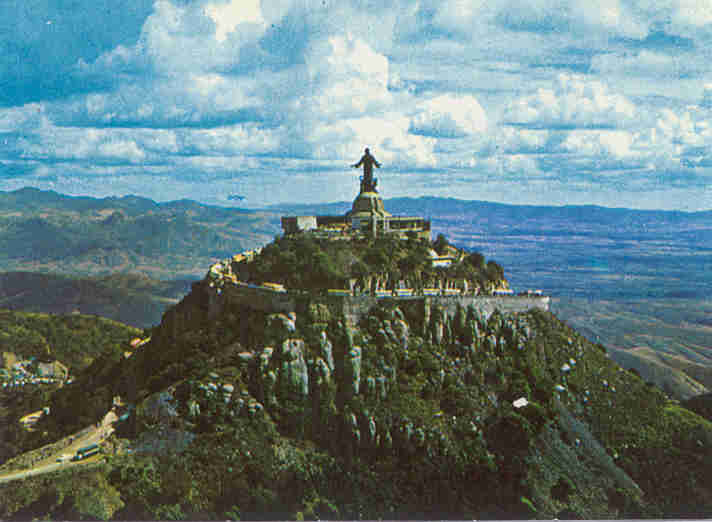

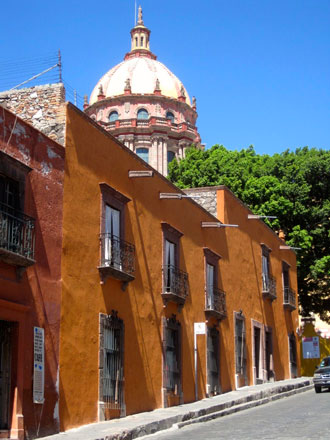

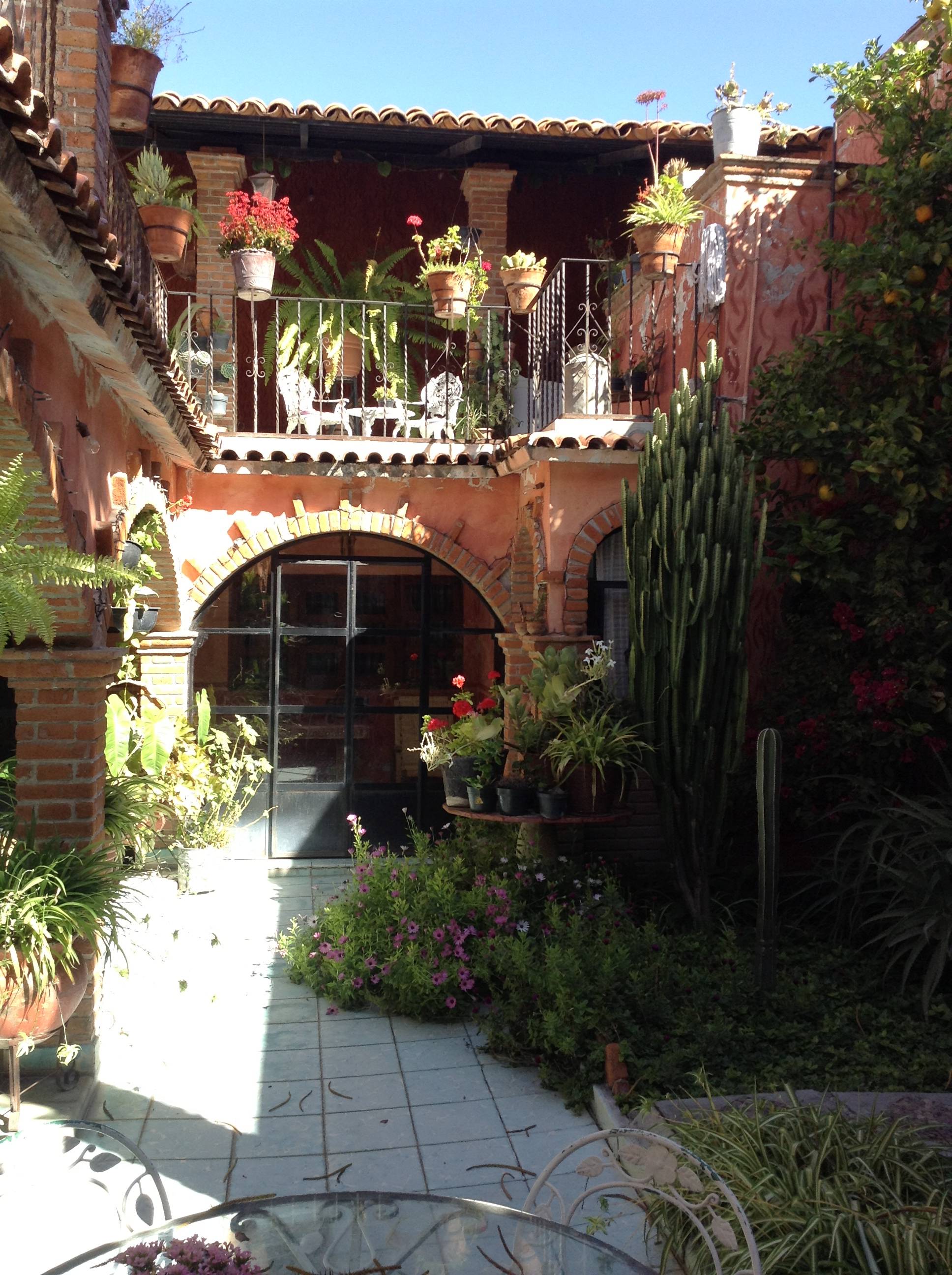
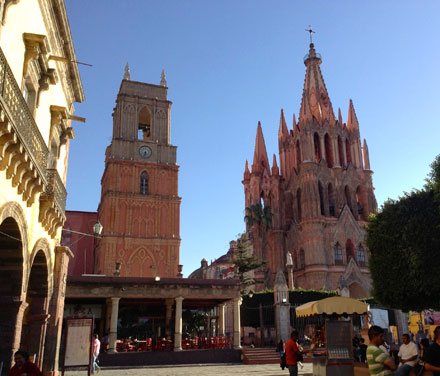

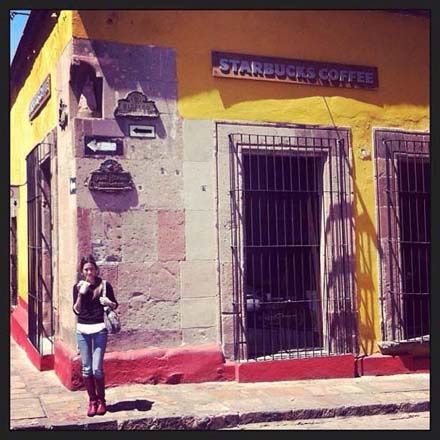

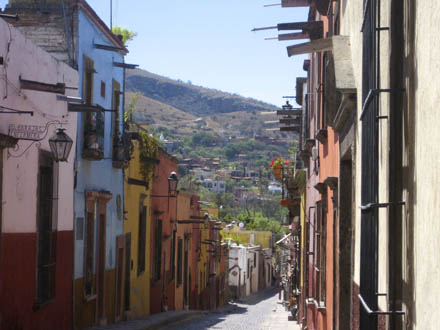

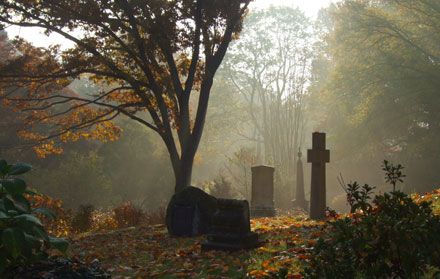
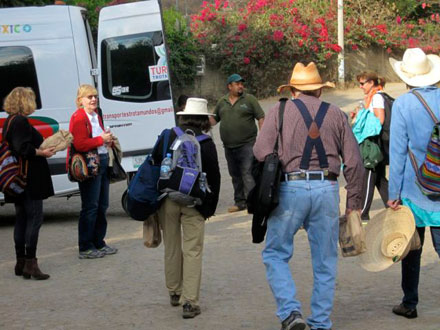
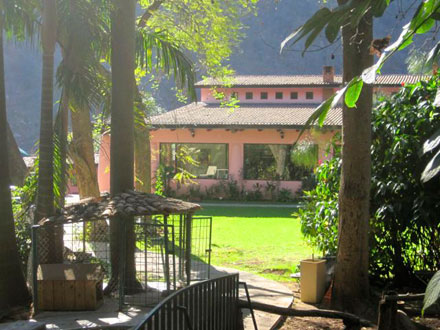
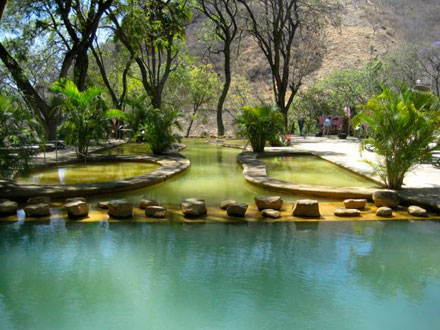

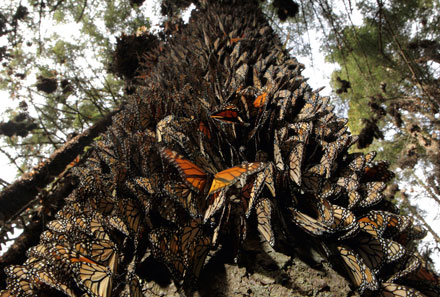
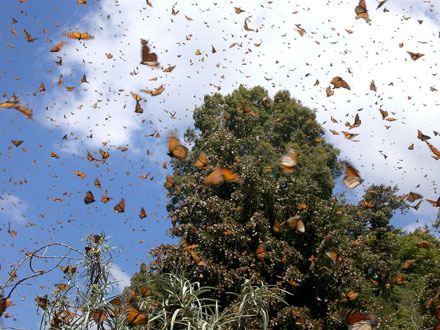

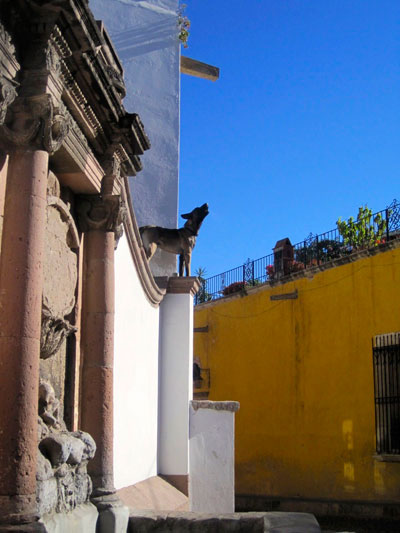

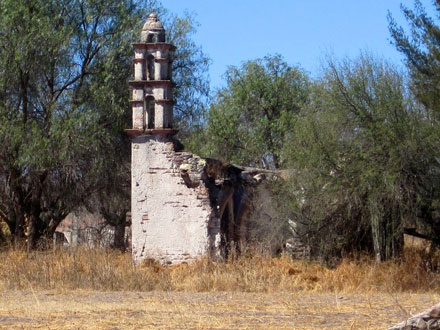





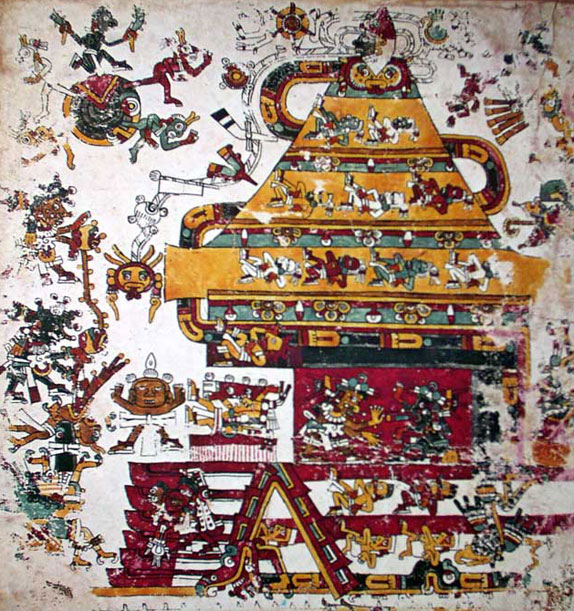


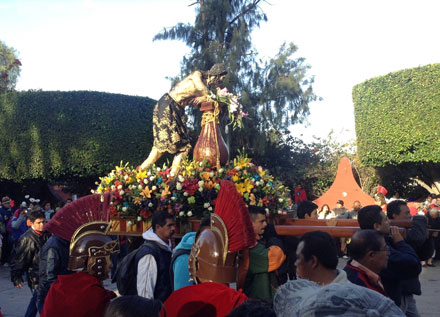
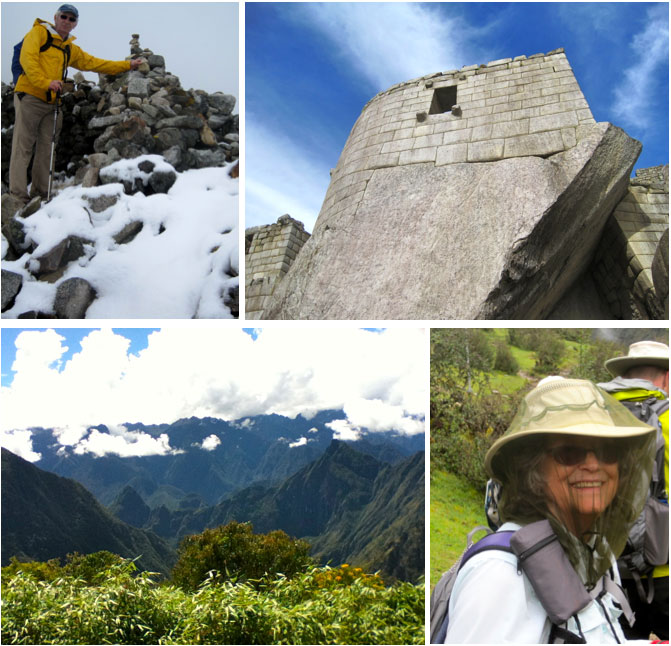
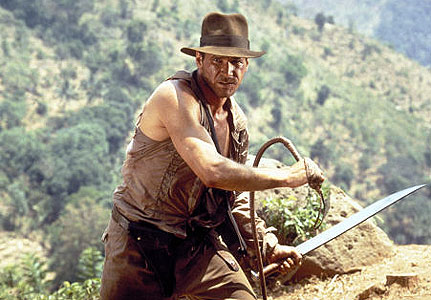
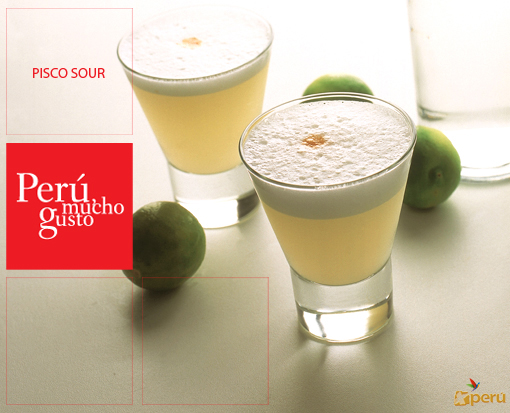
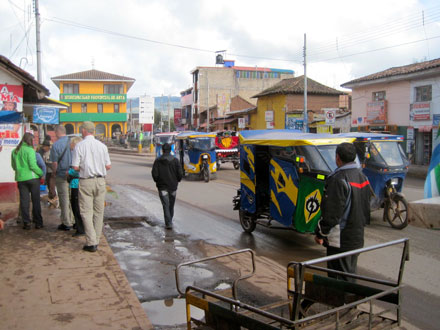
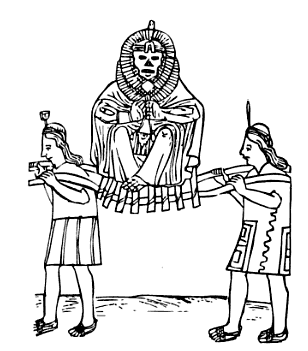
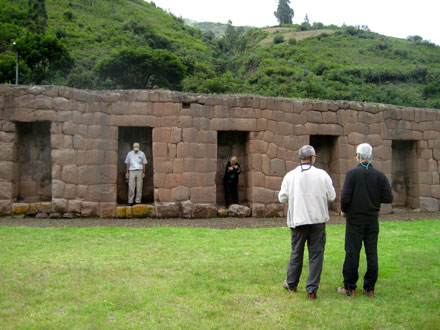
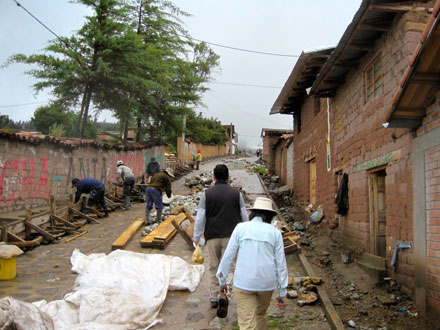







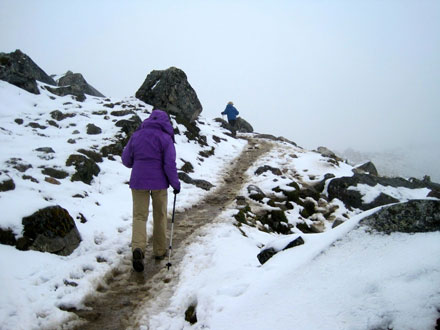

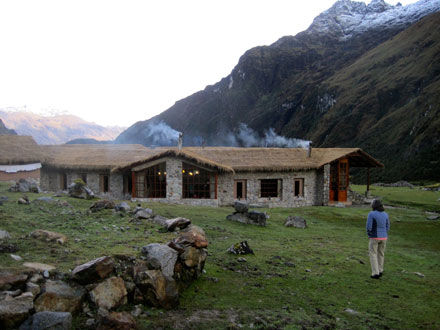



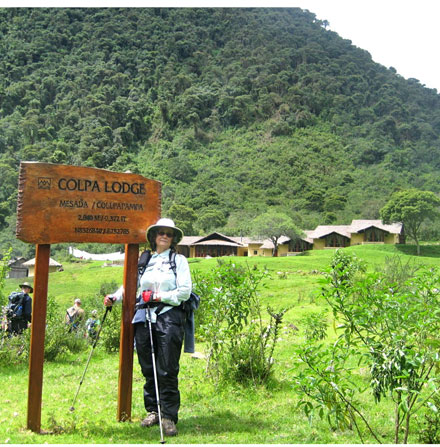
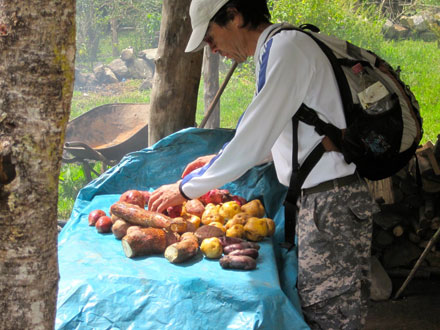
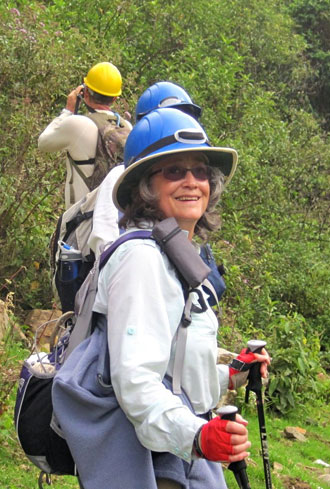

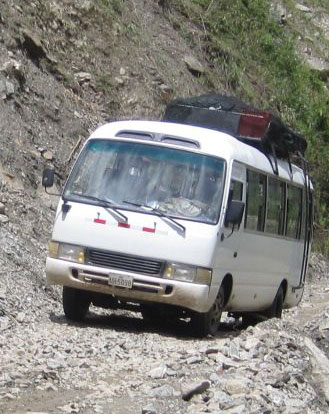


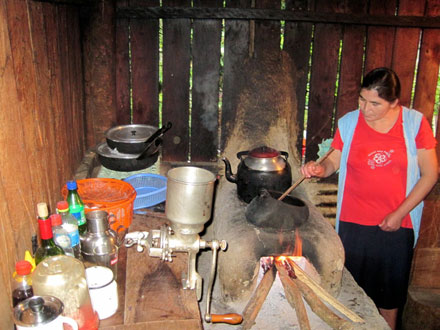
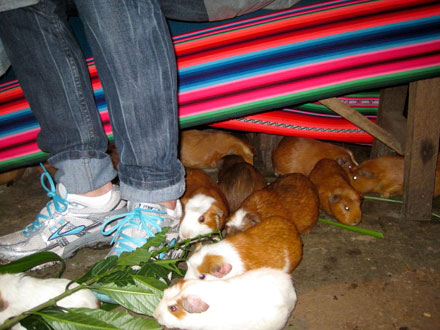
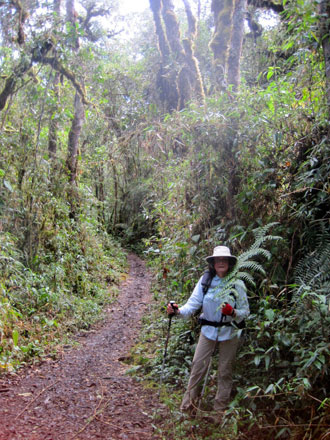
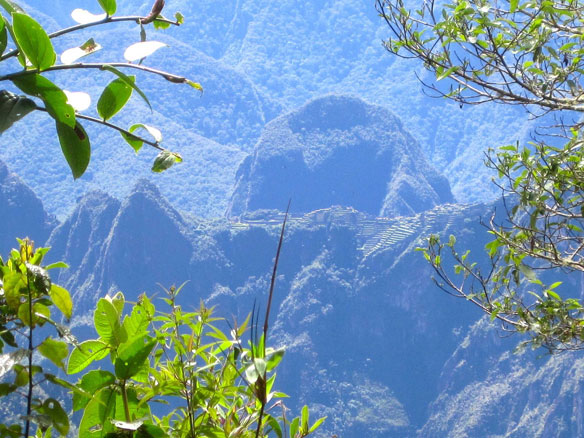





 Advencha before Dementia