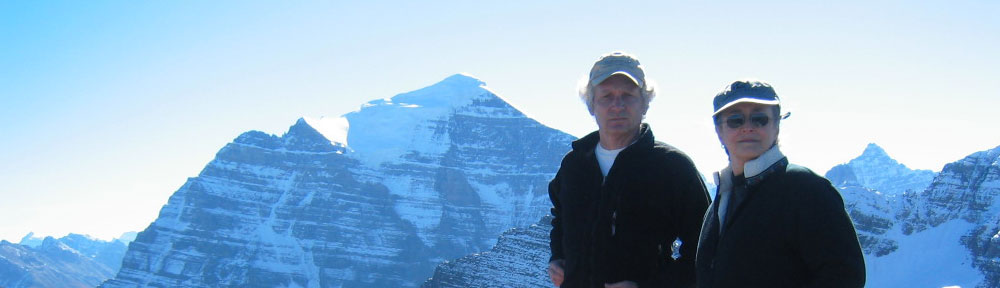
Nicaragua was Spaghetti-Western hot.
100 degrees in the shade.
Topping it Spaghetti-Western up, was the dust, the semi-arid landscape, the volcanoes, the political dreams-gone-bad corruption, and then there were the eccentric locals, and the scorpions.
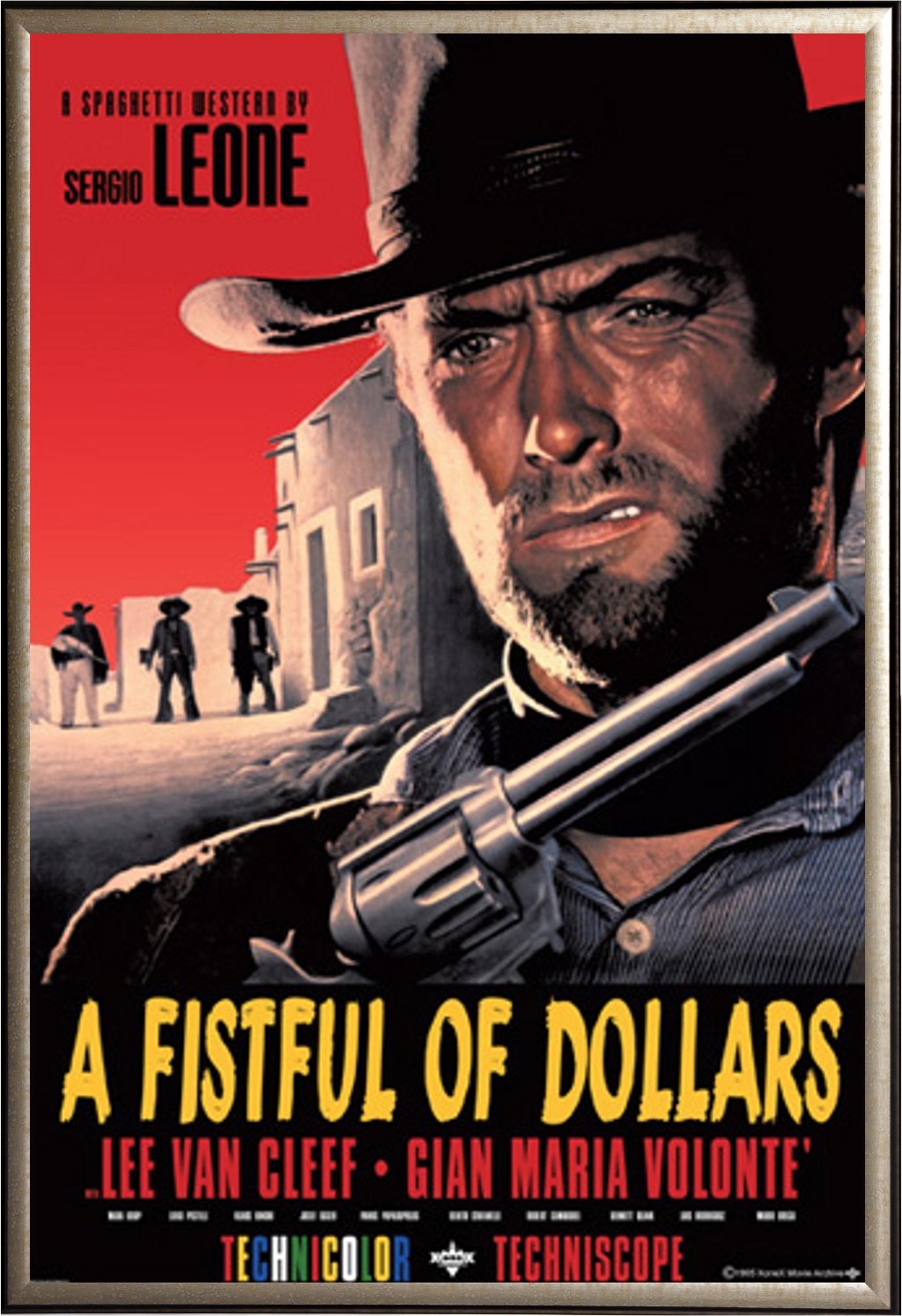
None of these were necessarily bad things, at least as far as our trip was concerned.
Halfway through, we were rolling back from León to Managua.
We were the only paying customers in our transfer van.
There were three others.
The driver, a young- rather worldly-looking Latina in a very low-cut blouse, and a rather disreputable-looking character back with us.
His two upper front teeth were broken off half-way up. My guess, he was pushing thirty. Far worse for wear. Epitome of thug, body language and all.
Next thing I know, Sharon and he hit it off. My Spanish is good enough to have followed most of their conversation. One thing led to another.
They were talking Spanish literature and the best Nicaraguan bookstores. This guy liked his poetry.
Poetry is a Nicaraguan thing.
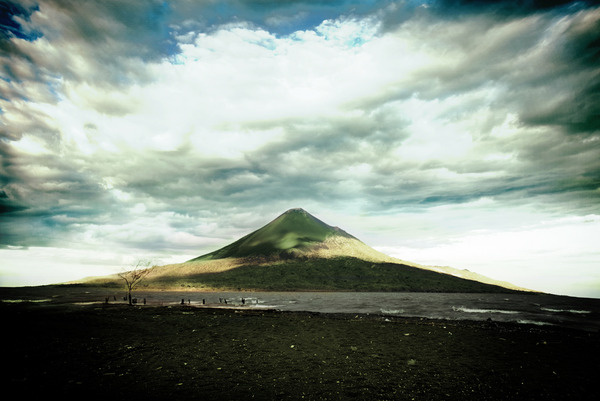
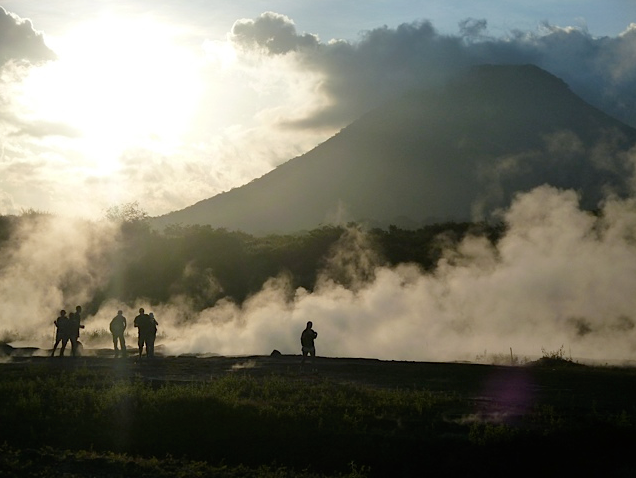
I look out the side window and there is Momotombo Volcano, active, with an elevation 4,255 ft. [borrowed photo]
Not on our hiking list. We had picked the equally intimidating San Cristóbal Volcano as our mega-hike.
In the lowlands of Nicaragua, volcanoes are commonplace. Every 5 to 10 miles or so, there are such potential end-of -the-world-as-you-know-it reminders.
Around about then, I notice that our heavy-set driver has not one, but two baseball bats close at hand. The regulation bat was behind his seat, propped up behind his left shoulder.
The half-size bat was resting even closer, his side of the emergency brake – comfortably within reach of his right hand.
My analysis: the driver doubled as the muscle. The big bat was for outside. The little bat was for inside.
Sharon’s conversation had shifted from literature to Nicaraguan food and drink.
While we had already sampled some of the Nica culinary highlights, we hadn’t had semilla de jicaro, a drink made from jicaro seeds ground with rice and spices, and milk and sugar.
Jicaro drinks go way back, before the Spanish, to indigenous locals. To my mind, an experience not to be missed.
The van unanimously suggested we stop at their favorite roadside eatery – if Sharon and I were up for it. Translation – no safety net- food wise.
Our Jicaro drinks were delivered in a plastic bags tied with a straw, and ice.

A kiss-your-ass-goodbye moment- if you’re playing by the food and drink rules.
I take a sip, then another. It tastes great- like a protein drink in the states. Both of us polished our drinks off.
24 hours later at Linda’s we were still feeling fine.
Maybe it was the probiotics we were taking. Maybe dumb luck. Maybe we’re toughening up.
In any case, curiously we had no intestinal issues our whole stay in Nicaragua.
Our friend Linda’s home in Managua was an oasis. Including the scorpions.
Managua
The perfect traditional Japanese ceremonial tea cup has flaws.
Imperfection is considered inherently part of the most perfect. Imperfection itself is most worthy of contemplation.
Like scorpions.
On this, our second visit to Managua, we had the scorpion drill down.
Each night before bed, we took out our flashlight and, carefully scanned the floor: Under the bed, open areas, and especially the edge of the room where the wall met the floor.
Then we pulled our bed apart and, looked in-between the sheets and inside our pillow cases.
We slept with the flashlight between our pillows, to light our walk to the bathroom.
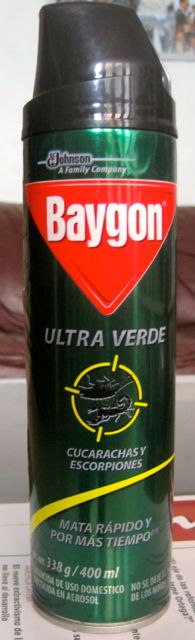
Linda stressed that should we find a scorpion, “Don’t step on it. Use the scorpion spray”
Johnson Family Enterprises, the USA maker of Windex, Pledge and Raid, sells scorpion spray in Nicaragua, under the name of Baygon.
If you step on Mrs. Scorpion, you might get her, but probably not the 100 or so babies she might be carrying.
At Linda’s the only scorpion we saw a baby, less that 1/8 of an inch long. On our hike on volcano Mombacho above Granada, we saw a 3 inch-long flattened black scorpion on the trail.

My first Spanish teacher in León, Guadalupe, grew up in the country.
One day she went to put her key in her house-lock and dislodged a scorpion, which promptly bit her.
She went into anaphylactic shock.
It wasn’t the big black mostly harmless kind. It was a far more dangerous translucent cousin. Borrowed photo above.
Linda’s home backs up to nature preserve, which in all likelihood explains the scorpions.

And also the remarkable variety and number of birds.
Sitting by the pool with my binoculars, the question was which direction to face.
No choice was bad. At any one time, I would guestimate- 40 to 50 birds were present.
We saw more birds in Linda’s backyard than anywhere in Nicaragua.
The riches were almost embarrassing: hummingbirds, orioles, woodpeckers, warblers, goldfinches, flycatchers, tanagers, parrots, and the national bird of Nicaragua- the Turquoise-browed Motmot.
Borrowed Motmot photo above/right.

Mid-morning Linda’s Motmot would fly up and land on the electric fence wire running above the 6 foot high iron fence surrounding her private park.
After a careful contemplation of the yard, the Motmot would be gone for the day.
Never a problem with the electric wire.
Linda’s yard was pretty much perfect, complete with coconut palms.
Photo right- Linda’s gardener Isidro knocking down coconuts.
Fresh coconut milk, is both tasty on its own and it mixes most nicely with rum.
On our way to Potosí, the week before, our guide Luis, had shared a most-macho Nica saying:
“Hay tres desportes en Nicaragua: Ron, Mujeres, y Beisbal.”
“There are three sports in Nicaragua: Rum, Women and Baseball.”
Underneath the bravado, Luis was a sensitive and insightful guy. To his credit, he followed up with, Nicaragua has a problem with alcohol, and abandoned single mothers.
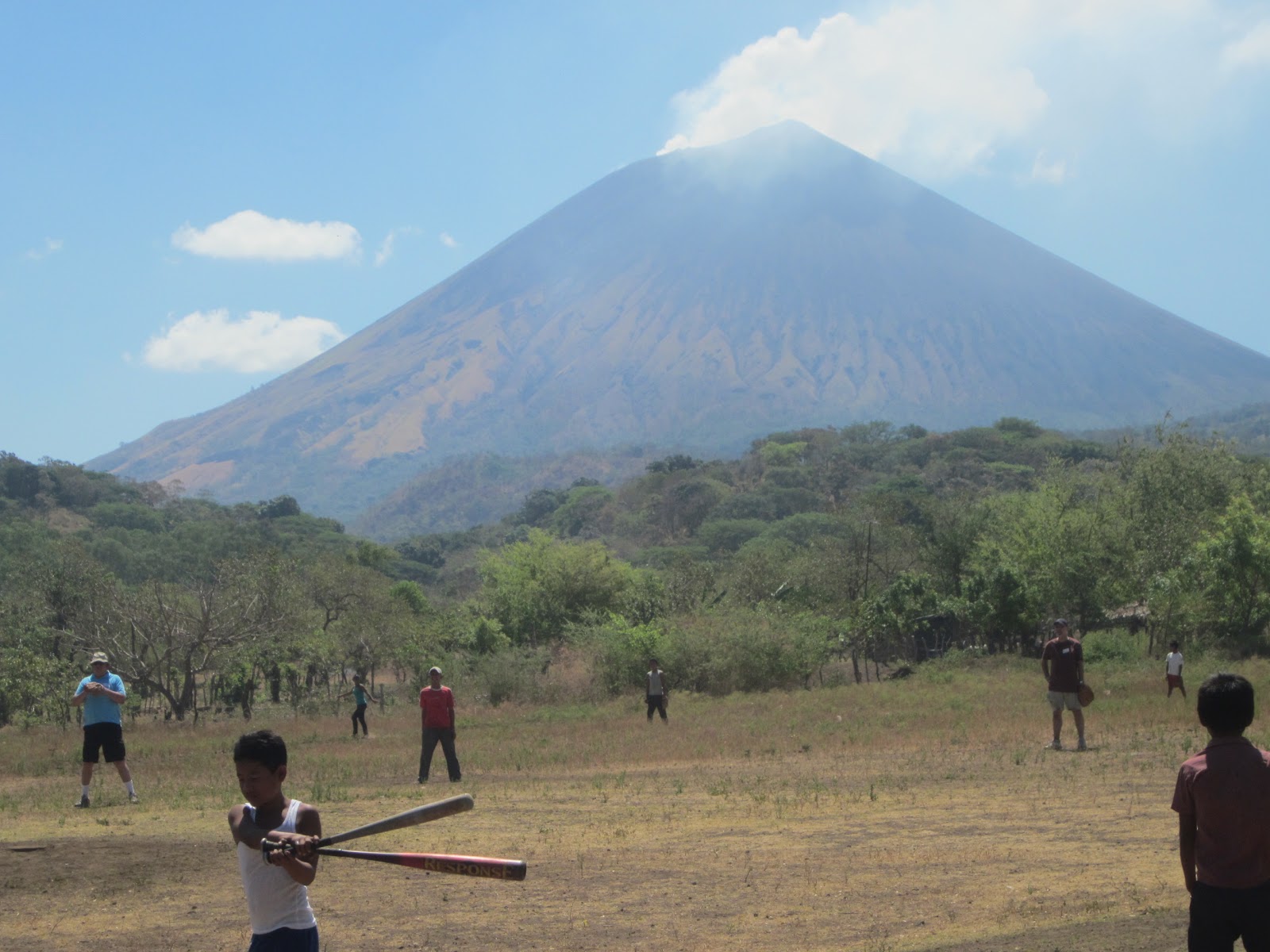
And yes, baseball is more popular than soccer. Borrowed photo left- with San Cristóbal Volcano as the backdrop.
When we pulled up to Linda’s on our return from León, we pushed the buzzer at her locked front gate. Linda fiddled a bit with the lock before it would open. Through the bars she told us:
“It’s a new lock. My little paradise, isn’t a paradise anymore.”
Once inside, she expanded,
“One of our neighbors was robbed last week – at gunpoint. They slipped in when the gate was open. They had guns. They threatened to shoot the children unless the parents opened their safe.
No one was hurt. Thank God.
We have installed a new alarm system. Our nighttime guards are on edge.
The police patrols have disappeared.
It must have been the Hondurans. Money talks. The drug violence has come to Nicaragua.”
Two days later over breakfast, Linda passed along,
“My paradise is back. Another yard man told my yard man: There were no guns. No threats. Some things were just stolen from an unlocked car when their gate was open.”
The first story. Hearsay as well.
The Nica bottom line?
There is no bottom line.
Choose your story. Change your locks. Check your security system. Upgrade to your comfort level.
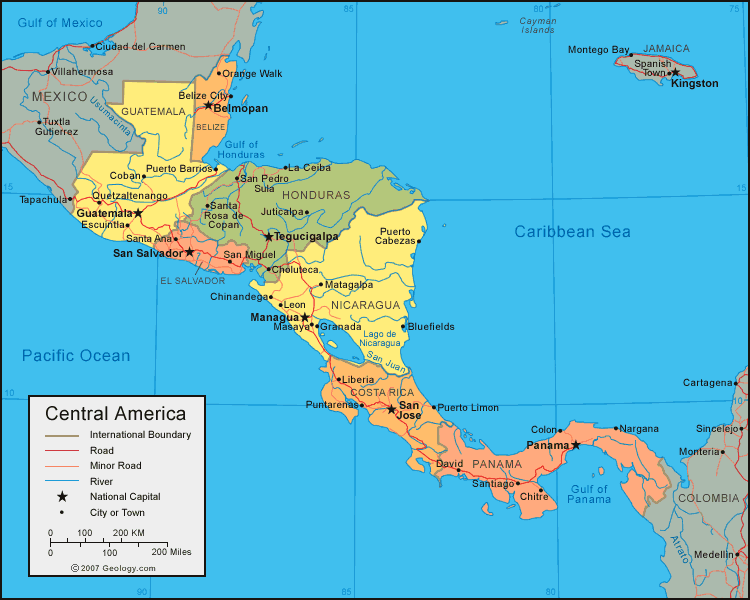
Managua is the capital of Nicaragua. Home of over 2 million people. It’s a third-world Los Angeles: car-centric, low rise, with suburbs, shopping malls, bad neighborhoods, and earthquakes.
We had two extended tours of Managua.
On our first full day in Nicaragua, we tagged along Linda and her friend Monica, as they picked up and distributed food and cooking oil for those in need. Big city, tough neighborhoods, interesting people.
Neither Linda nor Monica had visited any of our destinations. It was a scavenger hunt with a twist.
We crisscrossed Managua picking up and dropping off goods. Sharon in the front seat next to Monica- the printed directions were in Spanish.

The twist was that Nicaragua doesn’t have addresses as we know them. Streets don’t have names, addresses don’t have numbers.
Addresses are literally directions starting from a known landmark. For example: starting from such and such a rotary go 100 meters north, turn left and go 4 blocks, turn right and go to the end of the street.
In the back seat, I asked Linda about mail delivery.
She laughed.
“They throw your mail into the yard. You have to find it. No mailboxes in Nicaragua.”
On our last stop, the middle-aged nun explained that the few boxes of meat we had delivered would feed her 30+ children for a month.
The room was small. The ceiling was low. The pope’s picture on the wall was the last one.
No matter.
Sharon immediately picked up that the nun’s accent was heavy with Portuguese. Yes, Spanish was the nun’s second language.
They chatted like old friends- in Spanish, their common second language.
Our second Managuan tour was far more conventional. Linda and her husband drove us around town to see the sights.
Highlights were the Malécon (the waterfront), Ruinas de la Catedral Vieja (ruins of the old cathedral), and Las Huellas de Acahualinca (the footsteps of Acahualinca.)
The Malécon development was paint-still-drying new. Pleasant. Armed-guard safe. Nicaraguan surreal.
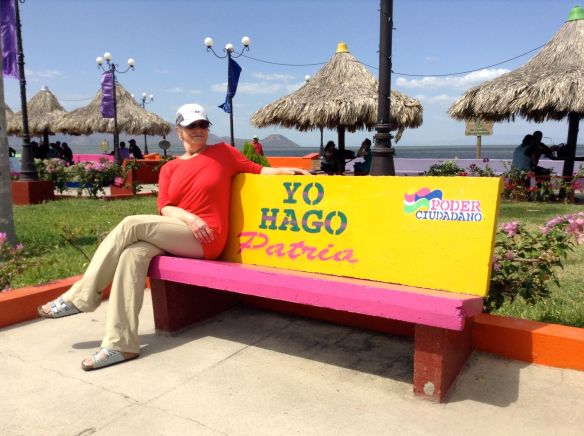
We picked up lunch from one of the sort-of fake tiki hut establishments and munched the inoffensive offering while enjoying the view over mostly-dead lake Managua.
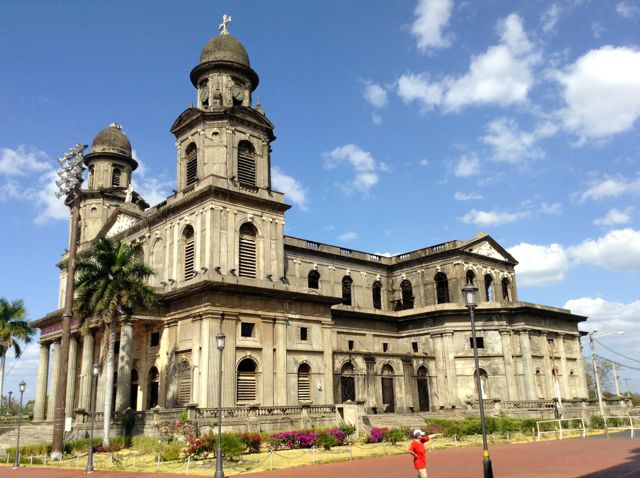
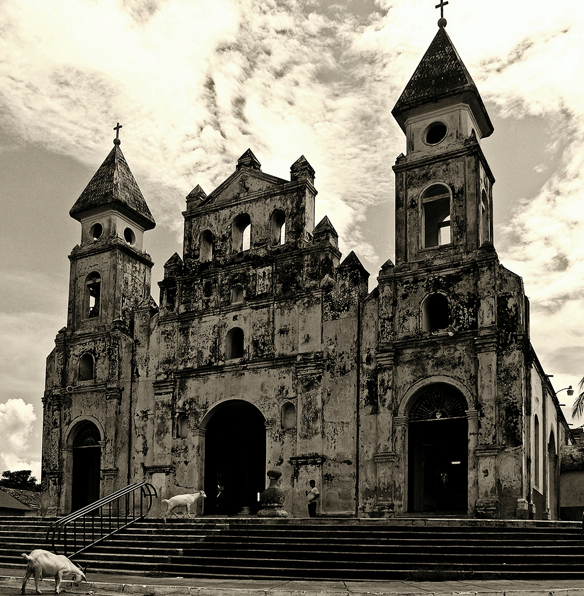
Next stop was the old cathedral. Today a burned-out shell and a reminder of past glories and the devastation of the 1972 earthquake. Foto below.
A new modern cathedral has been built up the hill.
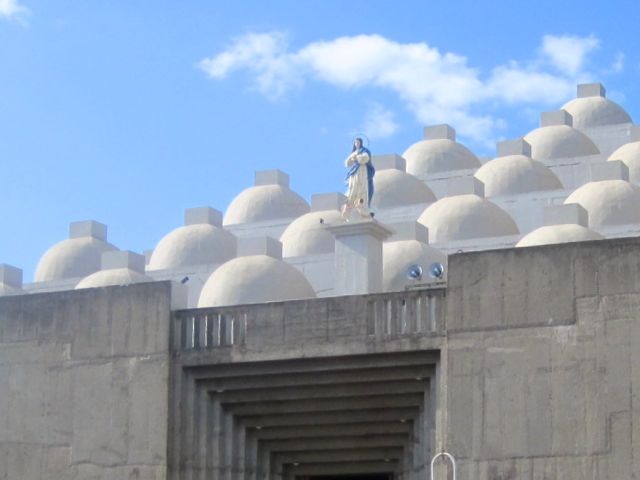
Check out the lifelike plastic Madonna above the door (below). She hasn’t always been there. I’ve seen photos as recent as 2010 and she’s nowhere in sight.
There were more of these life-sized realistically detailed figurines inside, including the late Pope John Paul II. Borrowed photo below.

I almost bumped into a plastic nun with glasses when I came around a column.
These 21st century molded replicants were curious and a bit disturbing. I’m sure there are more here and there around the globe.
Probably only the Vatican knows where.
From the old cathedral, we headed north along the lakeshore, looking for the historical site of the footsteps of Acahualinca.
These were neighborhoods, not to be walked, or even driven through, at night.
We pulled up to the front door.
Linda’s husband paid one of the security guys to watch the car, and negotiated our entrance fee. We headed in.
Some 12 or 13 feet below ground level, is a dried, fossilized mud flat with human footprints. A snapshot preserved in volcanic mud- of a few minutes from a time long gone by.

How long ago?
The museum explains that these footprints are 6000 years old making them the oldest human footprints on the American continent.
Checking online, recent carbon dating has them at about 2000 years old.
Where were these folks going and what were they doing?
The old story was they were fleeing a volcanic eruption.
Today’s interpretation is that these dozen or so folks were probably simply on their way to the lake to collect food and water.
Sharon wasn’t buying this recent happy-land version.
As she put it, the prints were left in a layer of volcanic mud. They were preserved under a layer of volcanic ash. It wasn’t just another day in the garden of Eden.
She has a point.
The Nica bottom line?
There is no bottom line.
6000 years ago fleeing a volcano, or 2000 years ago and out for a stroll?
Pick your story and upgrade to your comfort level. And don’t forget to pay the guy watching your car.
León
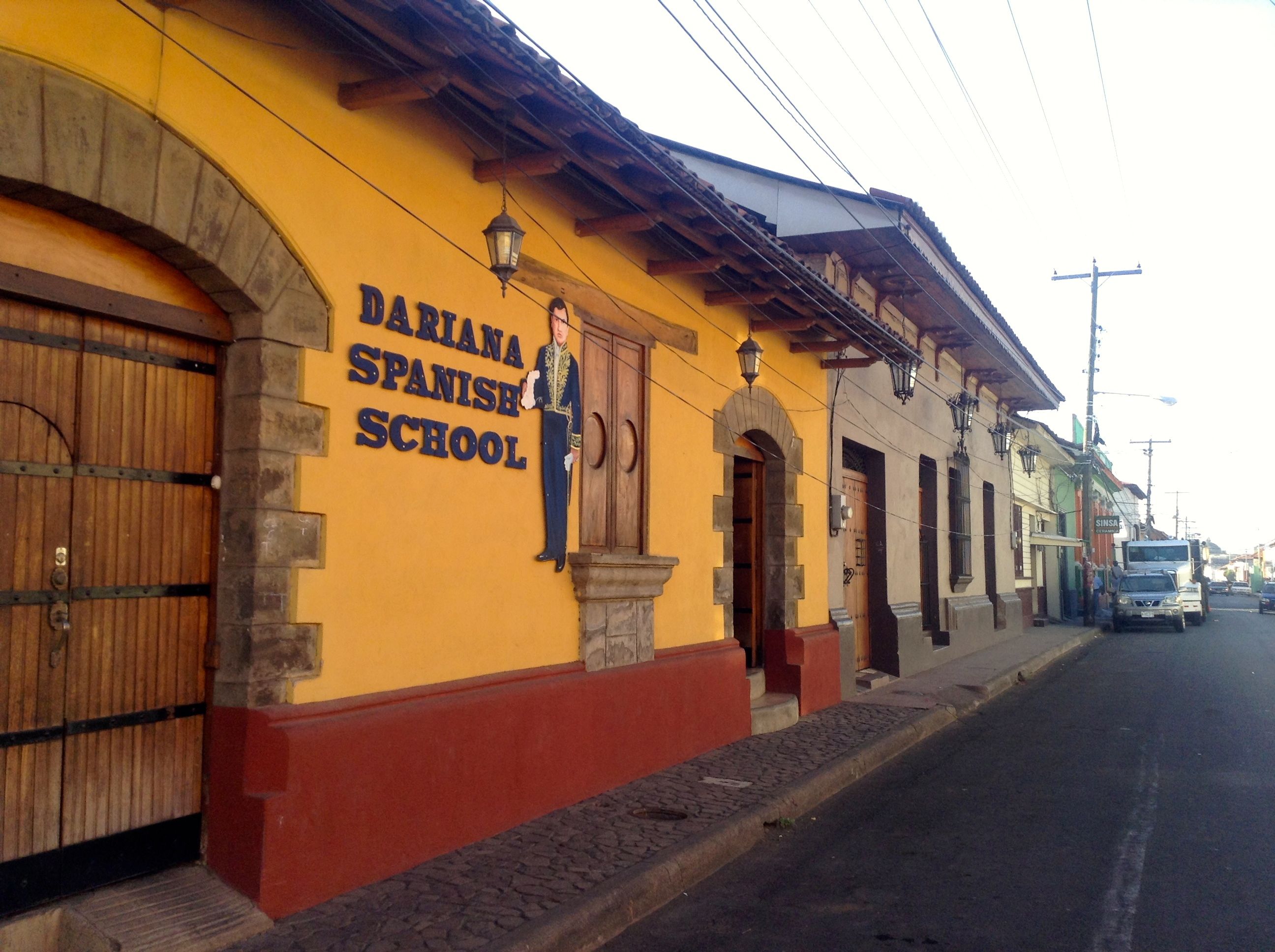
Our first transfer from Managua dropped us off in León at Dariana Spanish School, where we would spend the next two+ weeks.
The school had made arrangements for us to live with a local family during our stay: Room & 3 meals/day.
So I ask Rolando, the school’s owner, director and all-round good guy, about potential food issues.
“Do you think that vegetables will be safe?” I ask- thinking about the fine points of vegetable washing protocol.
Without missing a beat, Rolando answered- in all seriousness-
“Don’t worry, you won’t have vegetables.”
Hmmm.
Rolando was busy at the school, so we headed off with Guadalupe, his most-charming, spanish-speaking wife to our home-stay around the corner.
I was not thrilled with the room. Peeling paint. A single light bulb hanging from the ceiling.
A single knob, cold-water shower and sink. No towels.
Sharon pointed out the lack of screens and how the dengue-fever-carrying mosquitos would feast on us.
I lay back, on my sprung bed, wondering what I have gotten us into.
As it turned out, a good deal with a smart, interesting Nica family. My problem was that I was suffering from a first world hangover.

In their youth- photo left- the Mr and Mrs had both fought in the mountains as Sandinista guerrillas. They fought against the Somoza family, who had ruled Nicaragua as a family dictatorship from 1936 to 1979.
In a curious twist, their house had once belonged to one of the Somoza clan. I took the photo below from the dining room looking back towards the front of the house. Our bedroom’s door was just past the opening in the green wall- towards the left, beyond the small courtyard open to the sky.

In 1995 when the Cerro Negro volcano erupted 15 miles outside Léon, there was 3 feet of ash in this courtyard.
The family had been fortunate enough to have purchased their house on the cheap in the aftermath of the Revolution with the help of a foreigner who has since disappeared.
Today, the family is struggling to make ends meet. No help from the government.
Only those aligned with the Ortegas have the inside track today.

Daniel Ortega seems to be president-for-life, but many think his wife Rosario Murillo really runs the country. Photo of the two, left.
The story goes that Daniel sexually abused his step-daughter. In exchange for throwing her abused daughter out of the family, Rosario became a political force to be reckoned with.
We arrived in Léon, a few days before Spanish school. Per plan, we headed north. First stop, Estero Padre Ramos Nature Reserve for kayaking.

Estero Padre Ramos Nature Reserve is said to be one of the largest mangrove estuaries in the world. For us, it was similar to our kayak explorations in the Everglades.
Good stuff.
In the picture to the left, Sharon and our guide are both wearing gloves. They are the smart ones.
Your’s truly didn’t wear his- and paid the price. Recognizing we were in the tropics, we had slathered ourselves with sunblock.
I neglected to account for the water washing over our hands as we paddled. Water, of course, washed off my sunblock.
Two hours crisped the back of my gloveless hands.
Next stop was our overnight in Potosí, a poor fishing village in the far northwest of Nicaragua. A poor fishing village with expensive high-speed fishing boats. A short ride to Honduras and El Salvador- two countries where drug cartels are players.
Draw your own conclusions.
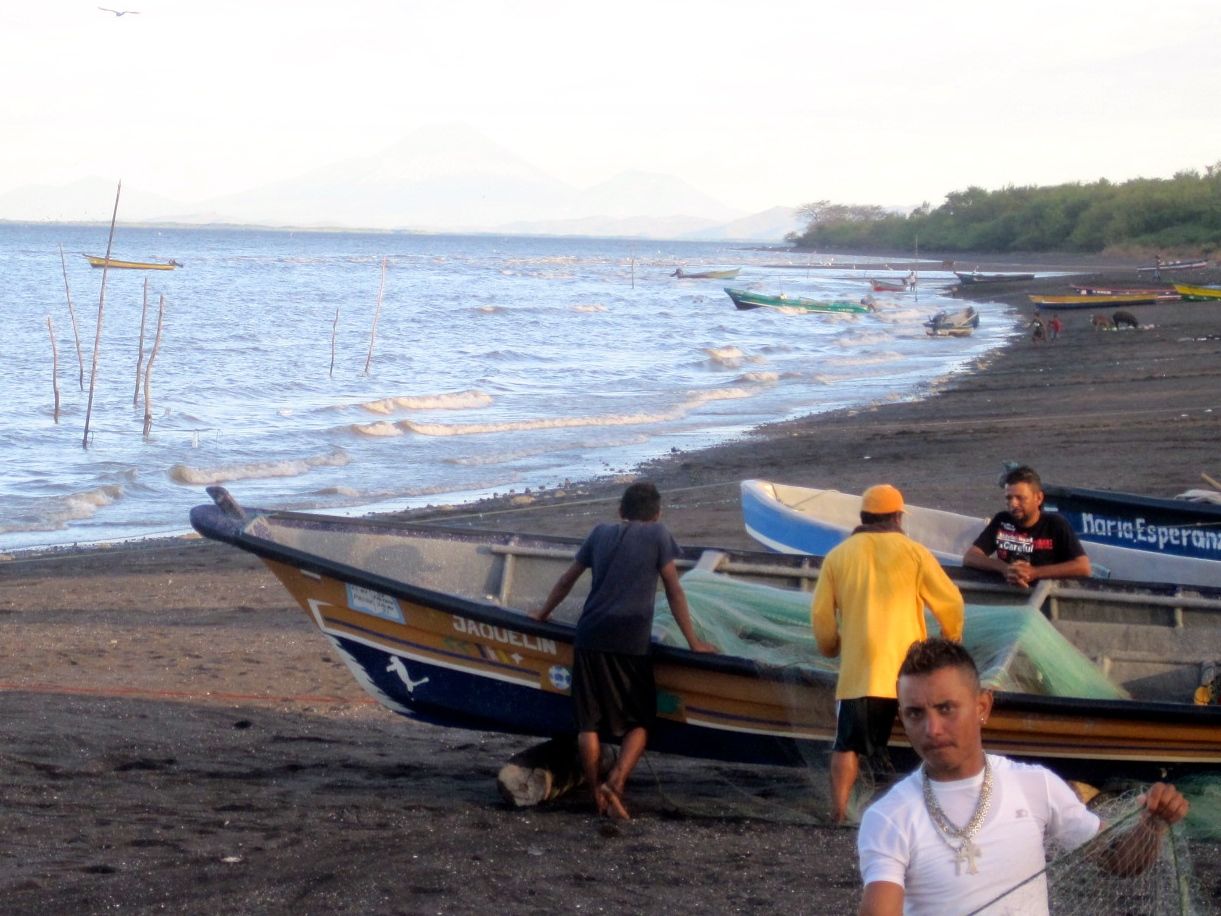
Potosí is the end of the Pacific edge of the Nicaraguan world. Bleeding off the tourist map.
We had been told many times that our accommodations would be “Basic.”
As it turned out, compared to our home in Léon, it was lux.
A one-knob cold-water shower with a PVC open pipe shower head. No problem.
We had towels!
Three steps outside our room, we were in the open-air restaurant/bar.
The food wasn’t just good, it was exceptional. World-class.

Sharon and the Mrs hit it off. The conversation turned to nacatamales, a beloved and most-tasty Nicaraguan specialty. Rosalpina promised that when we returned from our volcano hike the following day, she would serve us hers – not on the menu.
Up before dawn, we reached the rim of Cosigüina volcano in the early afternoon. The mountains in the distance in the photo below, are El Salvador- across the Gulf of Fonseca.

Over lunch, Sharon asked our wiry, spanish (only) -speaking guide of indeterminate age, how long he had been a guide.
“20 to 30 years”
And who were oldest folks he had taken up this route?
Yours truly.
That evening, a bit worse for wear, we sat down to our dinner of nacatamales.
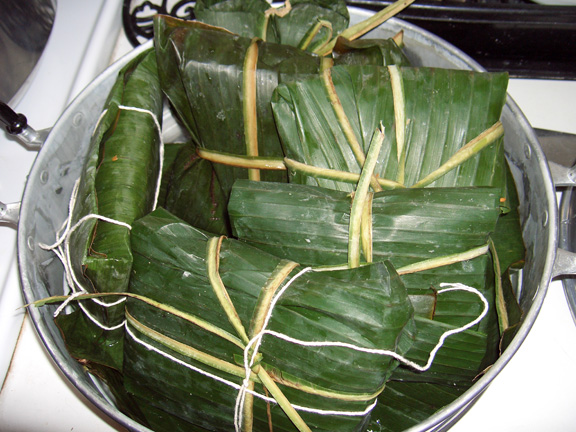
Borrowed nacatamal photo to the left.
Nacatamal means “meat tamale” in Nahuatl, the language of the Aztecs. It’s a traditional Nicaraguan dish of seasoned pork or chicken meat, rice, slices of potato, bell pepper, tomato, onion, olives, cilantro, and fresh chile. All wrapped in plantain leaves.
Ours were a locavore’s delight. Best of the best. All local ingredients.
After our raves, the Mrs. shared that she had been trained professionally, and some folks came and stayed for days, just for her food. It was that special.
We returned to Léon and our family, more Nica than on departure.
Our room felt like an old friend. Our family laughed on hearing our stories.
Next up was Spanish school. Another best of the best.

The building was over a couple of hundred years old- originally a home. About 20 years ago it was renovated as a hotel / restaurant. The restoration was carefully and loving done. Complete with native hardwoods.
The hotel / restaurant idea didn’t work out and now it is Dariana Spanish school. Their loss. Our gain.
The veranda around the courtyard serves as an open air classroom.
Each student has their own teacher.
The gentleman in the red shorts towards the back is Bruno. Bruno is Swiss, with the body language and personality of a Latino. Not surprisingly he loves Nicaragua.
Sharon’s teacher, the first week (above), was Davíd. They got along great. Davíd told me several times how much he respected Sharon and how smart and interesting he thought she was.
This was a familiar refrain to me. Not only in Nicaragua, but in all our travels. Not to everyone’s tastes. But for those she hits it off with, she holds nothing back. And there is a lot there.
One day I ask Davíd, “So what Spanish accent does Sharon have?”
“Ecuadorian”
Curious. I guess that’s what you get when you cross Tampa street Spanish with her mother’s Cuban/ Spanish Castilian influence. And then there is Sharon’s own thing.
The gentleman Bruno is pointing at, is Rafael, Sharon’s teacher the second week. Another of Sharon’s buds.
Rafael was a cheerful, smart, educated guy with the most tragic backstory, I have ever heard personally. Abandoned by his parents as a very young boy on the streets of Nicaragua, he and his sibs literally scavenged on the streets to survive.
Through a series of remarkable circumstances, after many, many dark days. he eventually made it to university and graduated.
Today Rafael is happily married, with his own family. He loves to cook. Not the usual thing for a Nicaraguan male. Sharon and Rafael had been talking Nicaraguan food for days.
We’d tasted nacatamales, semilla de jicaro, quesillo, piñol, jocote, indio viejo, chancho con yucca, buñuelos, gallo pinto ( a couple of times a day), and vigorón (muchisimas gracias Carmen).
We hadn’t tried Vaho, or Baho if you will, one of the cornerstones of Nicaraguan cuisine. Borrowed photo below.
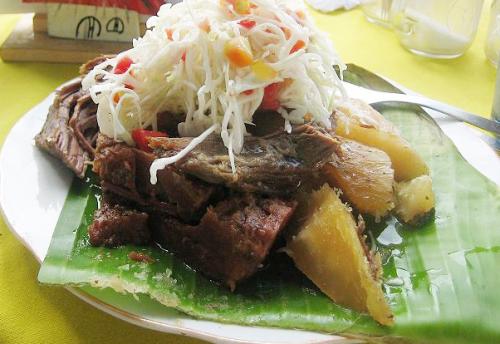
Our second to the last day, Rafael disappeared at late morning break. He returned smiling with his favorite Bajo from the central market.
We spent the rest of morning chatting (in Spanish) and munching. While it may not look like it, Bajo is traditionally finger food. Who were we to argue.
On our last day, we received our diplomas. Sharon’s was advanzado. Mine was intermedio, a bit of a stretch, but I took it.
Our school days had run mornings. We also took part in the school’s afternoon León excursions. This post has run long enough so I’m skipping those details, except for the photo below.
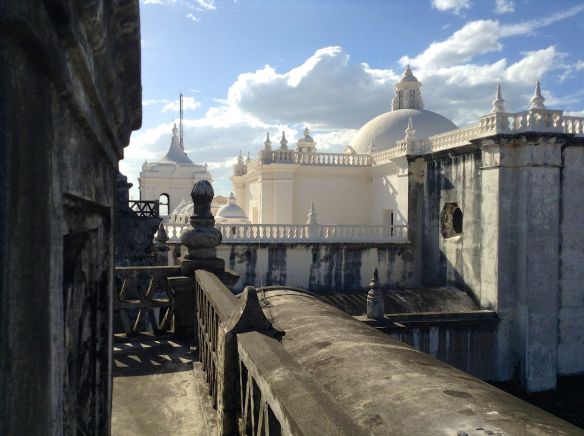
Taken when we were up on the roof of the León Cathedral, the largest cathedral in Central America. A world heritage site today, it was completed in 1814 and was consecrated by Pope Pius IX in 1860.
Many have been puzzled as to the size of the Cathedral. Rather large for Léon’s place in the world, at the time.
The story goes that the “Spaniards were sailing to the New World with two sets of plans, for cathedrals in Leon and Lima. There was a mix-up and the plans that were meant for Peru were used here instead.”
A very Nica story.
On afternoons when we didn’t have activities we hiked volcanoes. And we didn’t have far to go.
Volcanoes, Volcanoes, Volcanoes
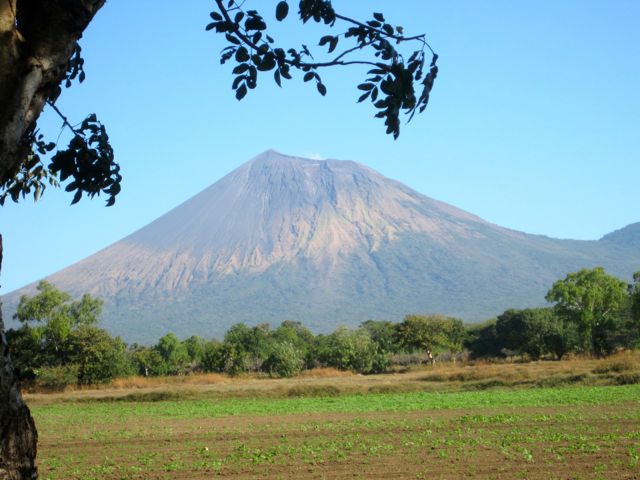
After reading that we could get a ride part way up, I had signed us up for a climb to the top of San Cristobal Volcano, the highest volcano in Nicaragua at 5725 feet.
We drove by on the way to Potosí. Intimidating with no shade. Our driver, half our age, chuckled, “Better you than me. I’ve been up once, that was when I was young and it just about killed me, and by the way there is no road part way up.”
Although we had paid up (nonrefundable), on returning to León, we decided that this hike would be too much. I called our tour company.
Before I could say anything, our main contact (another) Davíd said,
“I am very, very sorry, we have had to cancel your San Cristobal trek. It would just be too dangerous. San Cristobal is puffing and showing elevated seismic activity. We are happy to give you full credit.”
Graciously I accepted. A bullet dodged.
Next up was Cerro Negro Volcano Boarding. Sharon had a sore shoulder from a dive off the bed trying to silence a mis-set alarm clock. I would be on my own.
A previous guest with our family had broken some bones on her ride down the volcano. She had ended her stay in Nicaragua- in a cast.
Since its birth in 1850, Cerro Negro has erupted 23 times.

Cerro Negro is a 45 minute drive from Léon. While geologically interesting, Cerro Negro’s 21st century claim to fame is volcano boarding.
#2 on CNN’s “Thrill seeker’s bucket list: 50 experiences to try before you die.” One behind “Be a jet fighter pilot for a day” and one ahead of “Enter the Cage of Death, Australia.”
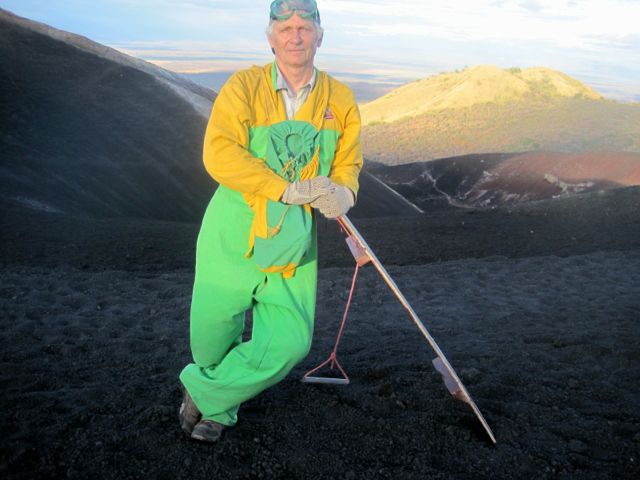
If not now, when? Below: Me and my volcano board below, on top of Cerro Negro- while I was still clean.
Here is my favorite youtube video on volcano boarding Cerro Negro. Curiously, it turns out that Holly (narrator, professional surfer and Nica resident) has since married the brother of one of our doctor neighbors.
Apparently Holly went back to Cerro Negro in an attempt to log a far more faster speed.
Yes, some use speed guns. Here is a link to her volcano boarding wipeout- in slow mo- at about 50 mph/ 80 kph. Holly broke her ankle and called her doctor-in-law from the Nica emergency room, for some trusted advice.
As our neighbor put it, something was mixed up,
“They showed me an x-ray and it wasn’t an ankle.”
Our tour company provided my volcano boarding instruction, my board and protective gear- jumpsuit, goggles, gloves, kneepads, elbow pads. I forgot my bandana- for covering my nose and mouth.
I was spitting out black gravel for a week.
Next volcano on our list was Telica, another active volcano in the León neighborhood. Telica’s most recent eruption was in 2011.
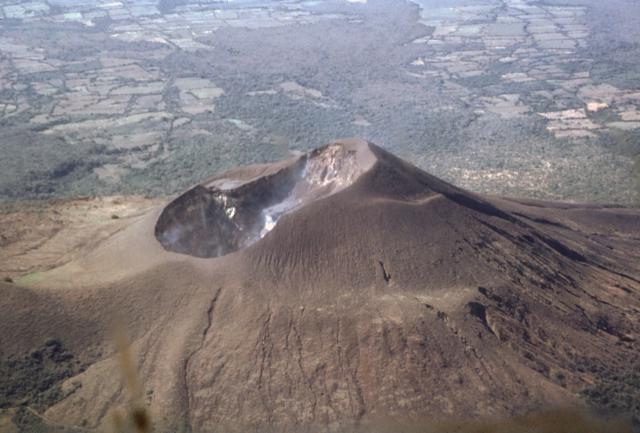
Sharon’s shoulder was still hurting, so once again I was on my own. Expecting the worst, I was pleasantly surprised when, in less than an hour of hiking, we were at the rim.
This volcano had an access road.
Our group was exceedingly international. Out of a dozen, only a few of us were from the USA. This had been true at our spanish school and in our Nica travels in general.
On the way up Telica I posed the question to this very fit, young Irish woman,
“So where are all the Americans?”
Without missing a beat or step, she answered,
“In Costa Rica.”
Yep.

The Telica surprise, for me, was the sound. Like a jet engine or a blast furnace. If you look over the edge, like the Australian girl behind me, this is what you see (borrowed photo below):

We sauntered around the volcano, and watched the sun set into the Pacific. As the stars came out, we turned on our headlamps and hiked back down to our truck.
During our time in Léon, Sharon and I made a side trip to Granada and hiked Mombacho Volcano.
Granada

Mombacho volcano is only 6 miles from Granada, and one of two cloud forest volcanoes in Nicaragua.
Today Mombacho is considered to be an extinct volcano. The last eruption occurred in 1570.
Sometime before ∼140 to 345 A.D, the lakeside slope of Mombacho blew out, throwing rock sideways and creating the 365 or so tiny “volcanic” islands, today known as the Isletas.
We did the boat tour.
Some of these mini-islands are owned by locals. Some are high end vacation homes. Some are nature reserves. Some are restaurants. Some are hotels. I remember one with an elementary school.
All mixed up together.
Real estate as tapas.
Borrowed photo below.

Our boatman had been born on a family-owned Isleta- passed down for generations.
“And we’re never selling!”
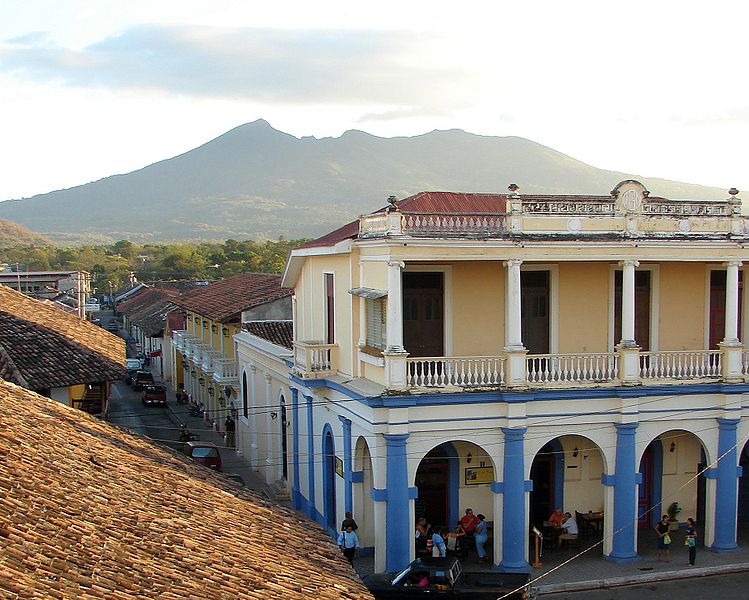
Our hotel in Granada, La Gran Francia, purportedly one of the oldest European buildings in the Americas, was our treat- to ourselves. View from our balcony below.
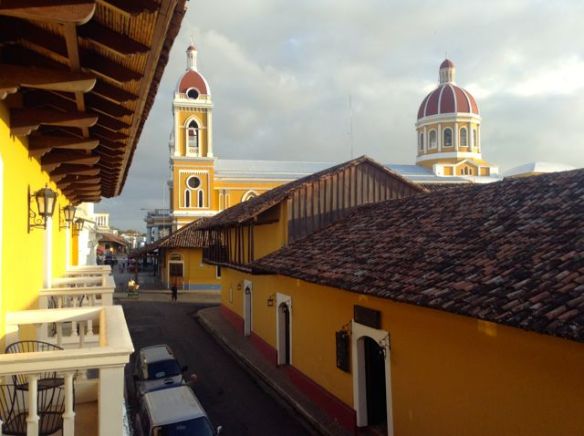
Since it’s founding in 1524 Granada has been burned to the ground several times.
Each time our hotel (mostly) escaped the flames.
As the story goes, in the early 1800’s, after murdering his wife, the Duke of Praslin, helped by King Louis Phillipe of France, feigned his suicide and then moved to the very end of the known world- Nicaragua, where he lived in our hotel.
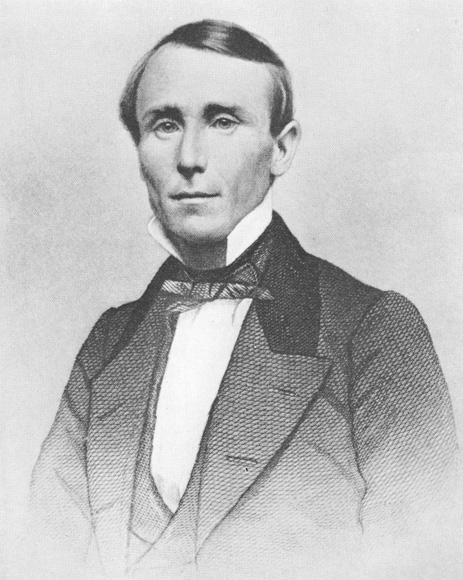
In the mid-1800’s, the hotel was occupied by the forces of William Walker, a US–backed mercenary and “President” of Nicaragua.
Luxury Latin America, adds that:
“According to legend, Granada’s grand dame was first constructed next to the ancient plaza in the late 1520s, shortly after conquistadors claimed this land, overlooking Lake Nicaragua, as their own. Perhaps used as an impressively upscale inn even then, this hotel has hosted Spanish royalty.”
An impressively upscale inn for the conquistadors?
Monty Python material.
So who stays at the La Gran Francia today? Interior courtyard below.
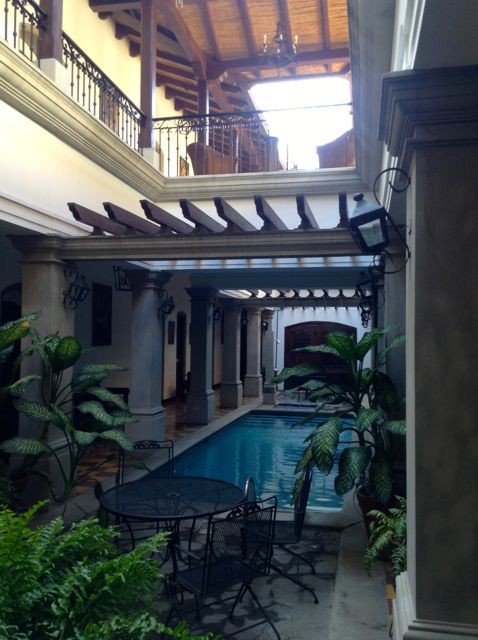
If you arrive, like we did, at the beginning of the Granada International Poetry Festival, the majority of the guests will be internationally renowned poets, family and friends.
So how does one recognize such folks?
Paraphrasing Supreme Court Justice Potter Stewart’s 1964 threshold test for obscenity (pornography):
“You know them when you see them.”
We were clearly not running with the poetry crowd. We were up far too early, wore bright hiking clothes, and talked about volcanoes.
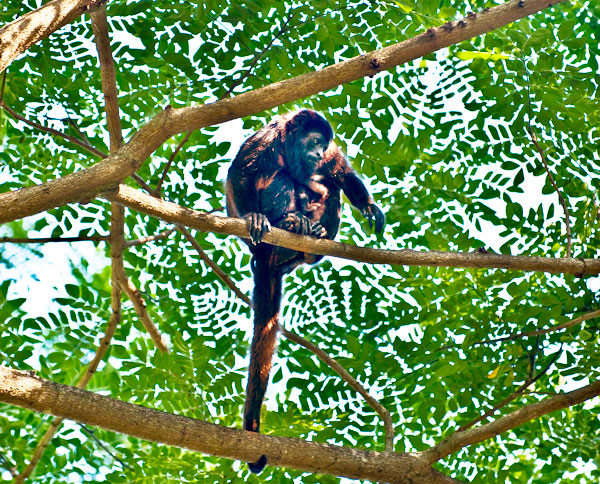
We had hoped to hike the longer Puma trail on Mombacho volcano, unfortunately it was closed for maintenance. The shorter Tigrillo trail worked out just fine. We had howler monkeys, trampled scorpions and gorgeous views.
The cloud forest on top was wet. Thankfully the trail had been designed accordingly. Complete with wooden steps, handrails, and drainage.
Our next cloud forest hike was another matter altogether.
Ometepe
When our spanish school finished, we headed for Ometepe, a two-volcano island in the middle of Lake Nicaragua, the largest freshwater lake in Central America- and the 19th largest lake in the world (by area).
We rode over on the ferry. Borrowed photo below.
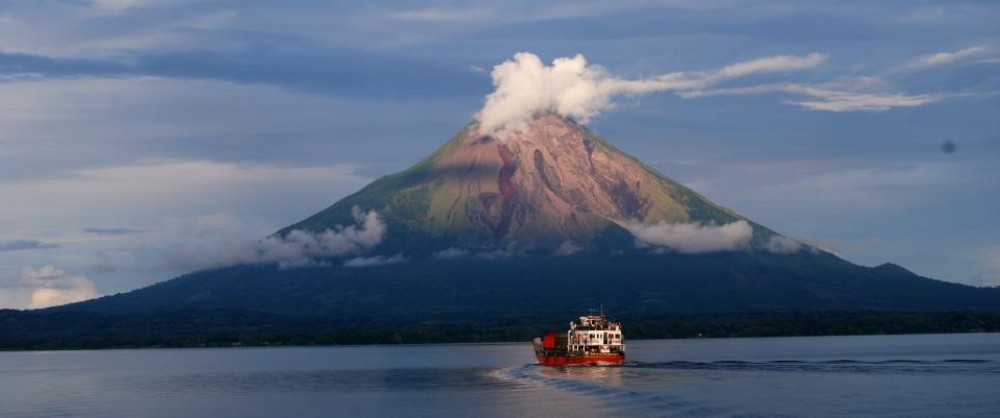
Over the last year, I rotated pictures of Nicaragua on my computer desktop. My business partner and sailor, confided in me one day,
“Those volcanoes caught my attention, but that ferry really, really scares me. Top heavy. In rough weather, a car could shift, and that would be the end of that (you).”
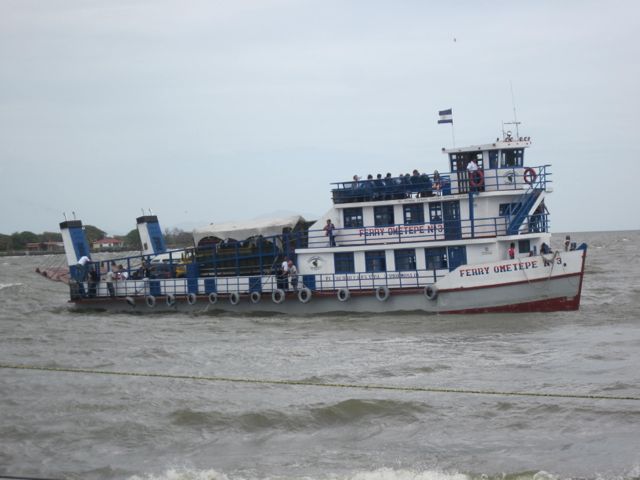
Thankfully, our crossing was uneventful.
We made our way up to the top deck of the ferry. The sun was hot. The seats few.
We grabbed a couple and who should sit down next to us but Monica- of our first day’s drive around Managua.
She and her family were down for another relaxing long weekend. Monica was an Ometepe regular. She asked about our plans.
We explained that we were going to climb Maderas, the cloud forest volcano on Ometepe- The next day.
“Really? You guys must be in good shape.”
Looking back, I didn’t have a clue what I had gotten us into. I suspect Monica did.
Maderas Volcano is a bit over 4500 feet high, which would have been relatively manageable, without the mud and the fallen trees, roots, boulders and so forth.
We survived – but barely.

We were on the trail before seven, and back down around six, with the last light of the day. We were by far the oldest on the trail.
And did I mention the endless, churned, calf-deep quagmire of mud?
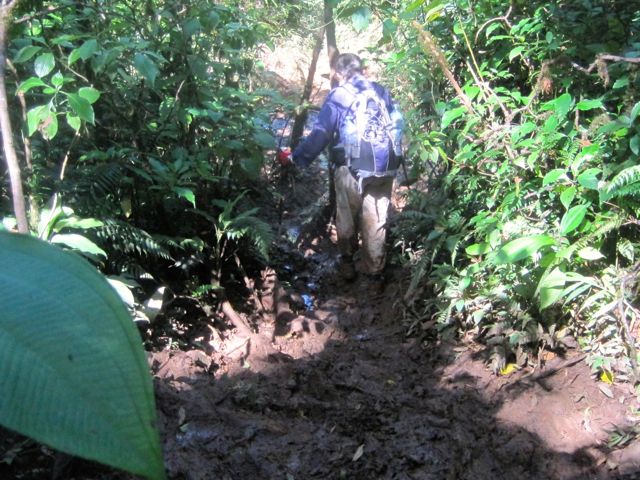
As Sharon put it wryly afterward: Everyone should have this experience – once in their life. (And this was her once.)
She’s had enough of volcanoes, particularly wet ones.
That said, it was very beautiful. We hiked up in the mists.
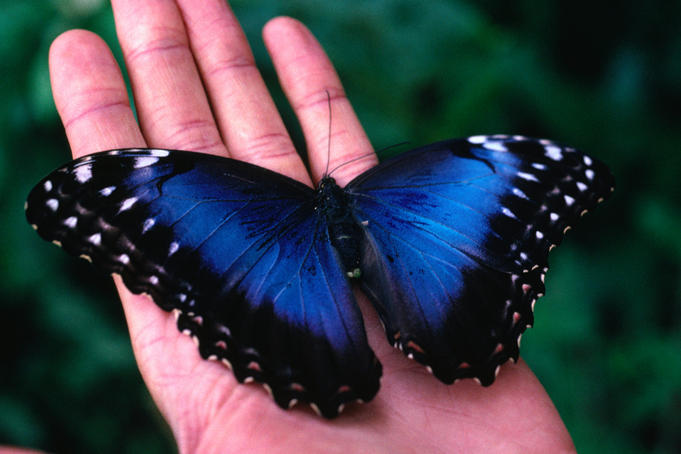
We didn’t see any blue morphos butterflies, but we did see a number of huge buho butterflies and monkeys. It was rainforest with moss, bamboo, and bromeliads.
We reached the rim a bit after noon.
The question was whether to go for the descent to the lagoon.
Another younger group was pondering the same question. They had the same Moon guidebook as we did:
“When you reach the crater lip, the final descent down to the mist-swept crater lake requires a rope and should not be attempted without proper safety equipment…”
After some discussion, they turned back. Enough was enough.
Our guide, prone to sexually-graphic, chauvinist metaphors, contributed,
“You’ve got this beautiful young woman lying naked on the bed, and you’re going to turn around?”
Sharon had hit her limit. I was pretty shot, but had a bit left.
The solution, Sharon would wait at the rim and our guide and I would go for the lagoon.
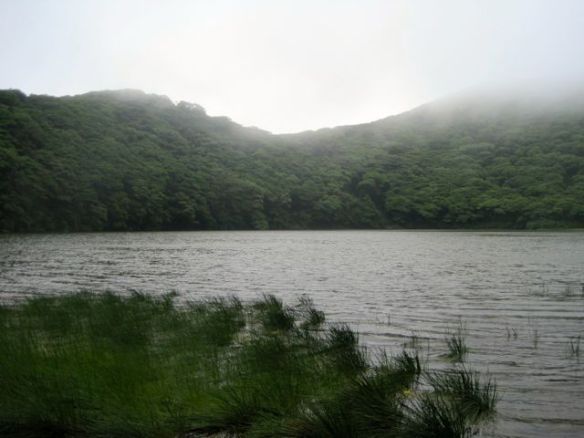
In less than fifteen minutes, we were standing on the edge of the lagoon.
Our guide was busy hustling the ten, or so, Europeans in French.
Swim time for me. As I floated out on my back, the sun broke through the mists.
Kind of a Zen moment.
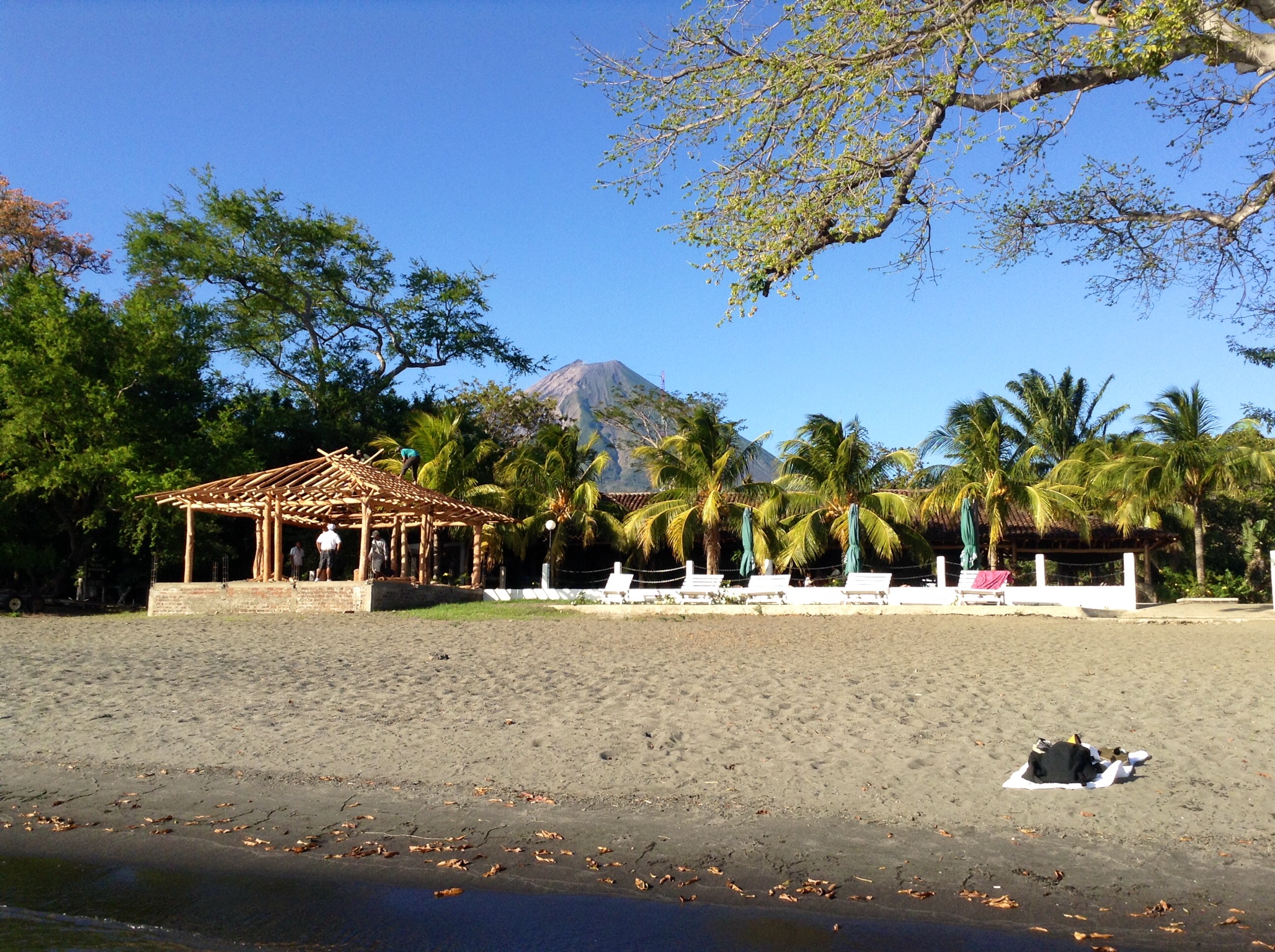
From here, it would be back. First to our room in Charco Verde Resort on the shore of Lake Nicaragua (below).
Then to Managua and from there to the subzero temps of the Northeastern United States.
Spaghetti-Western hot to Yankee-Gothic frigid.












 Advencha before Dementia